The United States, Mexico and Canada missed a Wednesday deadline to extend the USMCA trade agreement, pushing the pact into what could become a lengthy annual review process, according to CNBC.
The three countries could have agreed to a 16-year extension by Wednesday but were not expected to meet that deadline. Without an extension, the agreement enters a review period. If no new deal is reached by 2036, the pact expires entirely.
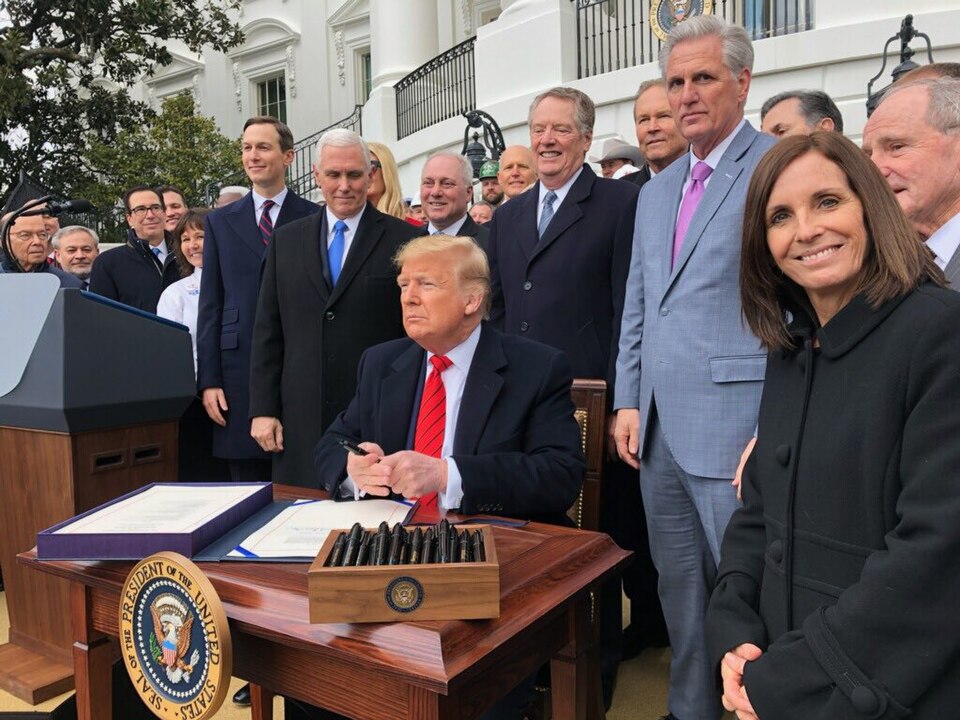
The USMCA, which replaced the North American Free Trade Agreement, was established during President Donald Trump's first term in 2020. It governs roughly $2 trillion annually in goods and services between the three countries. The auto industry alone represented about 18% of America's trade with its neighboring countries last year, making it one of the central sectors in any renegotiation.
U.S. officials had previously said they did not plan to extend the pact. U.S. Trade Representative Jamieson Greer said in May that the United States wants to strengthen North American rules of origin in a way that enhances U.S. content in goods to boost domestic manufacturing.
Automakers and industry watchers are concerned that reopening the deal could generate additional uncertainty, leading to lower investment and fewer jobs. The auto industry has already navigated years of disruption this decade, from pandemic production stoppages and supply chain shortages to ongoing changes in tariffs and regulations.
One question without a clear answer is whether vehicles that meet current USMCA compliance standards will continue to face tariffs during any renegotiation period. Trump has used tariffs aggressively throughout his presidency as leverage in trade talks and to encourage domestic production.
Diego Marroquín Bitar, a fellow at the Center for Strategic and International Studies in Washington, D.C., said the stakes are high for all three countries. "If we let this go on for a very long time, it's very painful for everyone," Bitar said. "That's the last thing that the region needs."
Bitar also noted that the Trump administration's public discussions have gone beyond traditional trade topics, touching on immigration, crime and other cross-border issues. That breadth could make this round of talks more complicated than when USMCA was first negotiated.
"Everything is on the table. Not just the trade issues," Bitar said. "The more things on the table, the longer it takes to negotiate and the more uncertainty it will generate."
There is also concern that the United States could withdraw from the agreement entirely, given the administration's aggressive approach to trade negotiations. Industry representatives and analysts are watching closely to see what shape the review process takes in the weeks ahead.