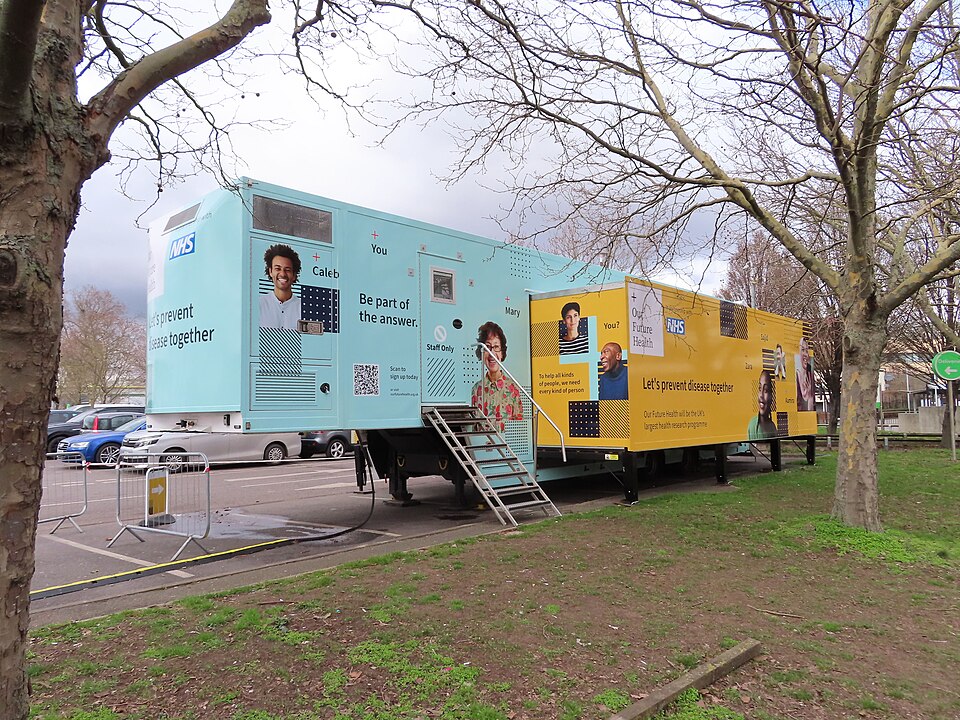
A mobile health clinic operating in Chicago is working to close a gap in mental health care access for residents who live in neighborhoods where providers are scarce, according to a report by the Chicago Crusader. The unit travels directly to communities rather than waiting for patients to come to a fixed facility.
Access to mental health care in the United States is unevenly distributed. Urban neighborhoods with lower incomes often have fewer psychiatrists, therapists, and counselors per resident than wealthier areas, and residents in those communities can face long travel times, long wait lists, or both when trying to get care. A mobile clinic addresses part of that problem by eliminating the travel barrier.
The clinic provides mental health services on-site in the communities it serves. That kind of outreach model has been used in other areas of medicine, including dental care and general health screenings, but applying it specifically to mental health is less common and addresses a category of care that already carries stigma in many communities. Meeting people where they are, rather than requiring them to navigate a system to find help, can lower that barrier.
Organizers behind the effort described the goal as expanding the reach of mental health care beyond the populations that traditional clinic settings tend to serve. People who might not seek out a mental health appointment in a formal office setting may be more likely to engage with a service that comes to their neighborhood and operates in a familiar environment.
The mobile approach also allows providers to build relationships in specific communities over time, which advocates say is important for mental health care in particular. Trust between patient and provider matters in any medical relationship, but it is especially significant when the care involves personal and sometimes stigmatized issues.
The Chicago Crusader report noted that the clinic is part of a broader push to make mental health resources available to populations that have historically been underserved by the health care system. Demand for mental health services has increased significantly in recent years, while the supply of providers has not kept pace in many areas.