

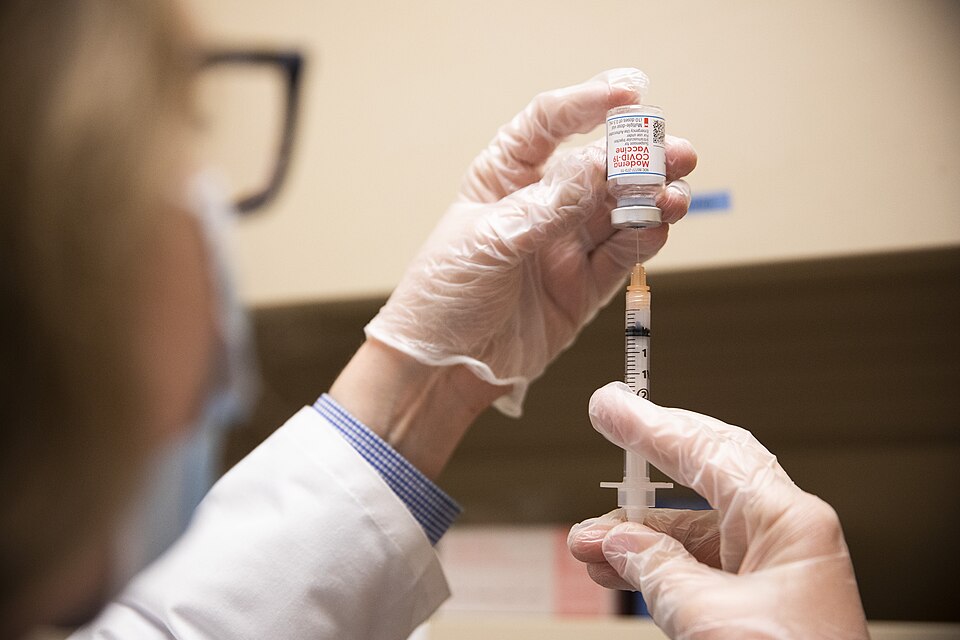
Measles cases in the United States have reached a 35-year high, with 2,566 confirmed cases as of August 13. The surge is happening alongside a record number of vaccine exemptions for schoolchildren, according to a report by Healthline citing new CDC data.
The CDC found that MMR vaccination coverage among U.S. kindergartners dropped from 92.5% in the 2024-25 school year to 92.4% in 2025-26. That number sits well below the 95% threshold generally associated with herd immunity against measles and other infectious diseases. Medical or religious exemptions from at least one required school vaccine climbed from 3.6% to a record 4.2%. The CDC estimates that about 280,000 kindergartners attended school last year without documentation of completing the MMR series.
Twenty-four states now report exemption rates above 5%. Experts have linked the low vaccination rates directly to the resurgence of measles cases. The Pan American Health Organization is set to review the United States' measles elimination status in November.
The exemption report arrived one week after President Donald Trump issued an executive order aimed at splitting the MMR vaccine into three separate shots and limiting other vaccines for children. While states still control their own school vaccination requirements, the Trump administration has said it plans to encourage states to adopt its new guidelines, with reports indicating ties to federal funding may be involved.
Graham Tse, MD, a pediatrician and chief medical officer of MemorialCare Miller Children's and Women's Hospital in Long Beach, California, said his concern centers on those who get sick. "Many of the highest at risk are our children and infants. These are diseases that can cause serious illness, permanent disability, and death. Vaccinations have decades of research and are proven to prevent or reduce the severity of these illnesses and have been proven to be very safe," he told Healthline.
Tse also pointed to a factor that overall vaccination statistics can obscure. A community may show a high average vaccination rate while still containing smaller clusters where children are unvaccinated. The current nationwide measles outbreak, for instance, began in a small Mennonite community in western Texas, where local vaccination rates were low enough to allow the disease to spread rapidly.
The CDC report did not address coverage for the MMR vaccine alone. Coverage for the DTP, DTaP, or DT vaccine also fell, reaching 92.0% during the same school year.
The Pan American Health Organization review in November will determine whether the United States retains its measles elimination status, a designation it has held since the year 2000. That review now takes place with exemption rates at an all-time high and measles case counts at levels not seen since the early 1990s.