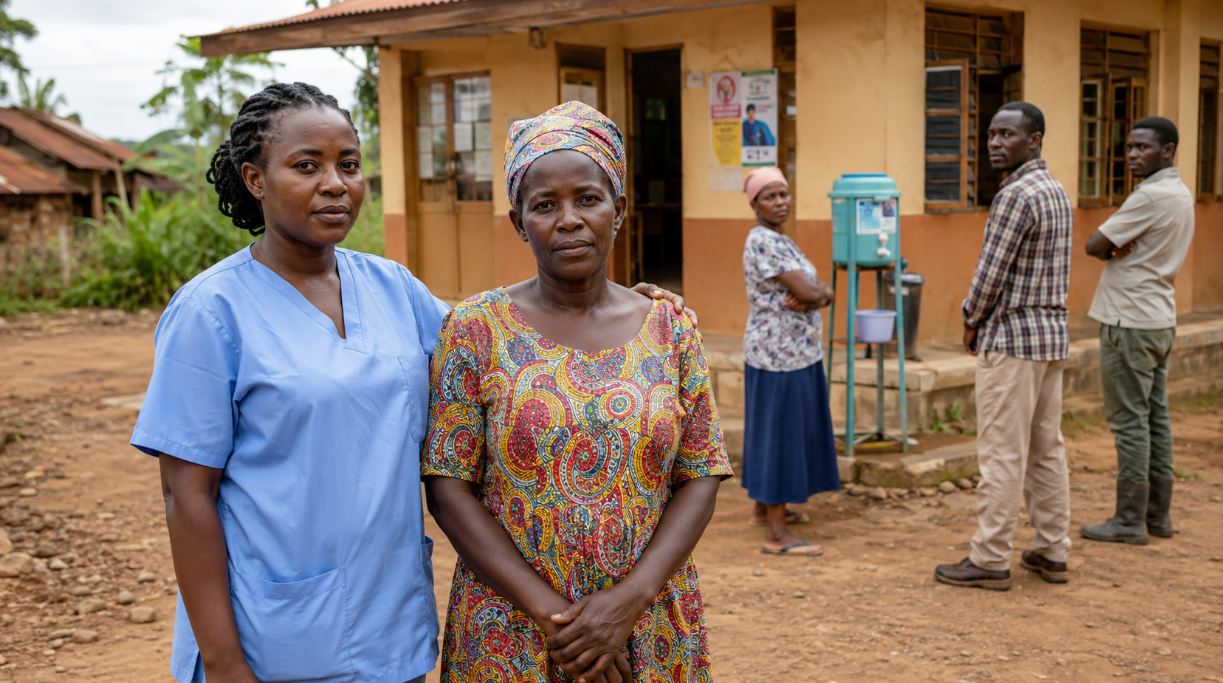
Health workers and survivors returning to their communities after Uganda's Ebola outbreak have faced rejection and fear from neighbors, according to a report by UN News. Even after being declared free of the virus, many people who worked on the frontlines or recovered from infection found themselves treated as threats rather than as people who had survived a devastating disease.
The stigma has created serious problems for communities still trying to recover. People who were exposed to or treated for Ebola have returned home only to find that neighbors avoid them, and in some cases, family members refuse contact. That kind of social isolation adds another layer of harm on top of the physical toll the disease already took.
Uganda has dealt with multiple Ebola outbreaks over the years. The virus, which spreads through direct contact with the bodily fluids of infected people, carries a high fatality rate and generates significant fear even in communities with some experience managing it. That fear does not always disappear once an outbreak is declared over.
Health authorities and aid organizations working in the affected areas have been trying to address the stigma directly. Efforts have included community education campaigns aimed at explaining how the virus spreads and, just as importantly, how it does not spread. The goal is to help communities understand that a person who has recovered is no longer contagious and poses no risk to others.
Frontline health workers have been among the most affected by the stigma. These are people who chose to work directly with Ebola patients, often at significant personal risk, and many have found that their service did not protect them from community suspicion afterward. The psychological toll of that rejection, layered on top of the stress of working during an outbreak, has been a significant concern for those supporting the recovery effort.
The UN News report described efforts to help survivors reintegrate into their communities by connecting them with others who had gone through the same experience. Peer support, where survivors speak directly with community members about what they went through and what recovery actually looks like, has been part of the approach.
Officials involved in the response have emphasized that ending an outbreak requires more than controlling the virus itself. The social and psychological dimensions of recovery matter just as much for long-term community health. If survivors cannot return to normal life, the damage from an outbreak continues long after the last case is recorded.
The work in Uganda reflects a broader challenge that has appeared in Ebola outbreaks in other countries as well, including in West Africa during the large 2014 to 2016 epidemic. Stigma has repeatedly been identified as one of the harder problems to solve, because it is rooted in fear that public health messaging alone does not always reach.