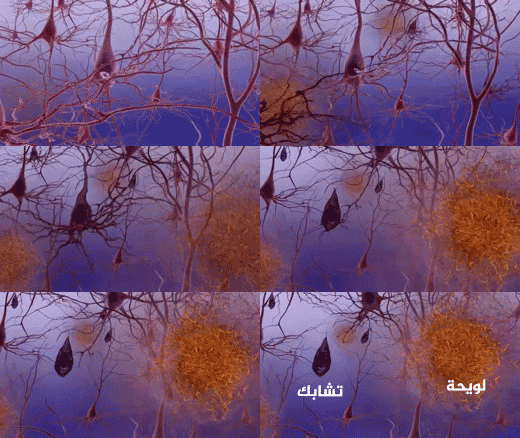
Scientists studying Alzheimer's disease have identified a previously overlooked process that may explain how the disorder destroys brain cells. The finding, published in Nature Communications, could point toward new treatments aimed at slowing the loss of neurons before it becomes irreversible.
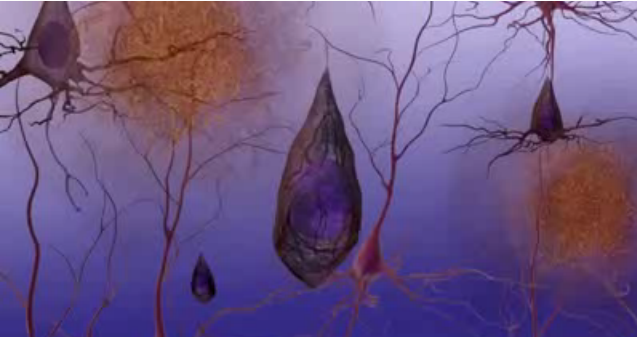
The research comes from King's College London, working with the UK Dementia Research Institute and supported in part by Alzheimer's Research UK. Reported by Science Daily, the study centers on a mechanism called karyoptosis, a series of chemical reactions that begins when toxic proteins build up inside a neuron. As the process unfolds, the cell's nucleus, which holds its genetic material, gradually shrinks before breaking apart entirely.
Scientists have long known that Alzheimer's disease, frontotemporal dementia, and other neurodegenerative conditions are marked by the buildup of harmful proteins inside neurons. They have also long known that these neurons die in large numbers over time. But the known mechanisms of cell death, including a well-studied process called apoptosis, have never fully accounted for the scale of neuron loss seen in these diseases. Karyoptosis may be the missing piece.
To build their findings, the researchers analyzed 3,000 brain cells collected from 28 people who had either frontotemporal dementia or end-stage Alzheimer's disease. Using computational algorithms, they identified different forms of cell death occurring within the tissue samples. They found signs of karyoptosis in 35 percent of cells from the frontal cortex of people with Alzheimer's disease. In brain tissue from healthy older adults, that figure was just 15 percent.
One of the researchers described the significance of the result in direct terms: "This study is the culmination of a 10-year journey at King's, from when we first identified karyoptosis in a relatively rare disease to discovering that it is a common feature of dementias which affect millions of people."
Beyond identifying karyoptosis as a common feature of these diseases, the team also found a key molecular pathway that appears to control the process. The buildup of toxic proteins destabilizes the outer membrane of the nucleus, triggering the shrinkage and eventual disintegration of that structure. Forcing proteins inside neurons to clump together, a hallmark of many neurodegenerative diseases, was enough to trigger this destructive sequence.
The researchers then turned their attention to proteins known as kinases, which function as molecular switches within this pathway. Kinases are a known target for drug development in other diseases, including some cancers. Their role in karyoptosis suggests they could become a target for future Alzheimer's and dementia treatments.
The study does not offer a treatment, but it identifies a concrete biological process that future therapies could try to interrupt. If karyoptosis can be slowed or stopped before neurons are destroyed, the progression of Alzheimer's and related dementias might be slowed as well. The researchers noted that the finding applies not only to Alzheimer's disease but also to frontotemporal dementia, which affects a younger population and currently has very limited treatment options.
Alzheimer's disease affects tens of millions of people worldwide, and no treatment currently available can stop its progression. The identification of karyoptosis as a major pathway of neuron death gives researchers a specific new target to investigate in the search for drugs that could change that.