Pancreatic cancer has long resisted the immunotherapy treatments that have transformed outcomes for patients with other cancers. Researchers at the University of Chicago say they may have found a new way to break through that resistance, using engineered probiotic bacteria as a delivery vehicle for cancer-fighting immune signals.
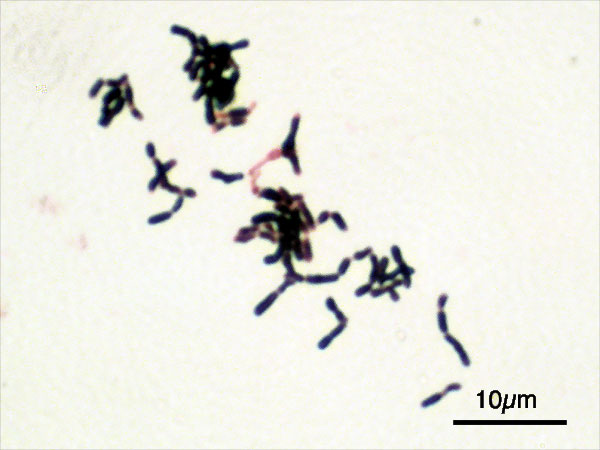
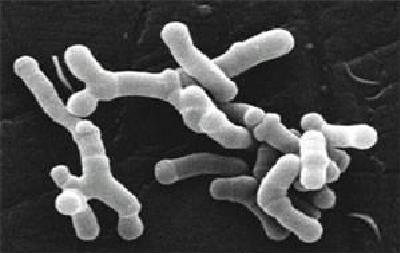
The findings, published in the journal Science Advances and reported by Science Daily, describe how the team used a modified strain of Bifidobacterium longum, a probiotic bacterium naturally found in the human gut, to carry an immune-stimulating treatment directly into pancreatic tumors in animal models.
The core problem with pancreatic cancer immunotherapy is the environment surrounding the tumors. These tumors often develop what researchers describe as a cold tumor microenvironment, one that blocks immune cells from mounting an effective attack. By sending bacteria into the tumor itself, the researchers aimed to change that environment from within.
The engineered strain, called BifidoSumIL-2, was designed to release a modified version of interleukin-2 once it reaches a tumor. Interleukin-2 is a potent immune signaling molecule that activates T cells, the immune system's primary cancer-fighting cells. Conventional interleukin-2 treatment carries serious risks because it also stimulates regulatory T cells, which actually suppress the immune response against cancer.
To avoid that problem, the team used SumIL-2, a modified form of interleukin-2 engineered to more precisely activate cancer-fighting T cells while reducing stimulation of regulatory T cells. Placing that molecule inside Bifidobacterium longum concentrated the therapy within tumors rather than distributing it throughout the body.
In the animal studies, BifidoSumIL-2 slowed tumor growth. The effect became stronger when researchers combined the bacterial treatment with chemotherapy, radiotherapy, or immunotherapy, suggesting it could work alongside existing treatments rather than replacing them.
Ralph Weichselbaum, MD, the Daniel K. Ludwig Distinguished Service Professor and Chair of Radiation and Cellular Oncology at the University of Chicago, described the focus on pancreatic cancer as deliberate. "A big unmet medical need has been pancreatic cancer, and so that was going to be our mountain to climb," he said.
The project required specialists from microbiology, synthetic biology, oncology, and immunology to collaborate. Mark Mimee, PhD, Assistant Professor of Microbiology at the University of Chicago, described the scope of that effort. "This was a highly interdisciplinary effort," Mimee said. "We had to bring together people who understand bacteria, people who understand tumors, and people who understand the immune system to make something like this possible."
The findings are currently limited to animal models, and further research will be needed before the approach can be tested in human patients.