Researchers at the Cancer Science Institute of Singapore have developed a new method that lets scientists see, for the first time, the full network of proteins controlling a specific region of DNA. The study was published in the journal Nature Communications on May 26, 2026.
For years, scientists could only study one protein at a time when looking at how DNA is regulated. That approach gave useful information, but it could not show how proteins work together in groups at a single location in the genome. The new method, called qChIP-MS, is designed to fix that gap.
According to a report by Phys.org, the team at the Cancer Science Institute of Singapore at the National University of Singapore combined two established laboratory techniques, chromatin immunoprecipitation and mass spectrometry, into one unified workflow. The result is a tool that can pull out selected regions of chromatin, the structure that packages DNA inside cells, and identify which proteins are present there, along with how abundant those proteins are.
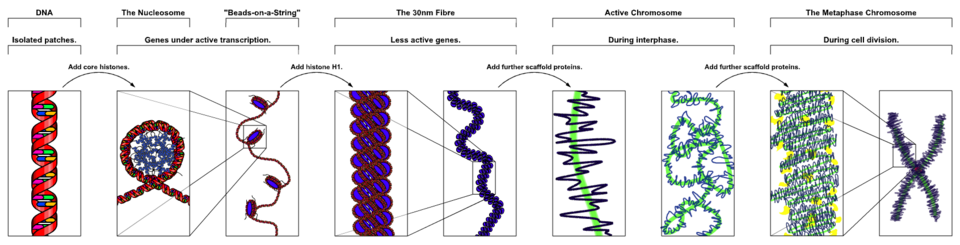
Chromatin does more than just package DNA. It helps determine which genes are switched on or off, protects the genome from damage, and influences how cells respond to stress. When chromatin regulation goes wrong, the consequences can include cancer, aging-related conditions, and other diseases.
"Our DNA is not controlled by a single protein acting alone," said Dr. Yong Wai Khang, first author of the study. "Instead, many proteins work together in coordinated complexes. We wanted to develop a practical way to see the full cast of players present at a specific region of our genome."
To test the method, the researchers applied it to telomeres, the protective caps at the ends of chromosomes. Telomeres are already well studied, which made them a useful benchmark. The method successfully identified known telomere-associated proteins, and the team showed it could work across different types of biological samples, including tissues and specific genomic regions.
The researchers also addressed a persistent problem in chromatin research: false-positive results. Studies that pull down chromatin regions often pick up proteins that are not actually present at the target site. The team developed strategies to reduce this kind of error and established clearer standards for interpreting the complex data the technique produces.
While qChIP-MS is a research tool and not a clinical product, the researchers said its potential reach is broad. By mapping how protein networks behave in healthy and diseased cells, the method could speed up discoveries in cancer biology and genome regulation. The team is already applying the workflow to new research questions.