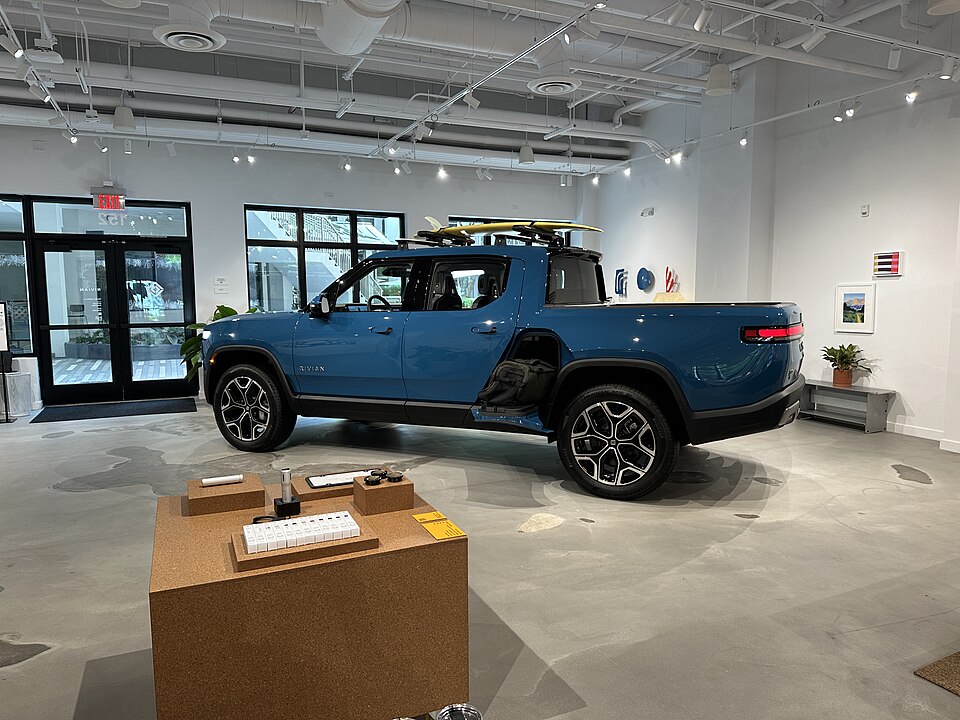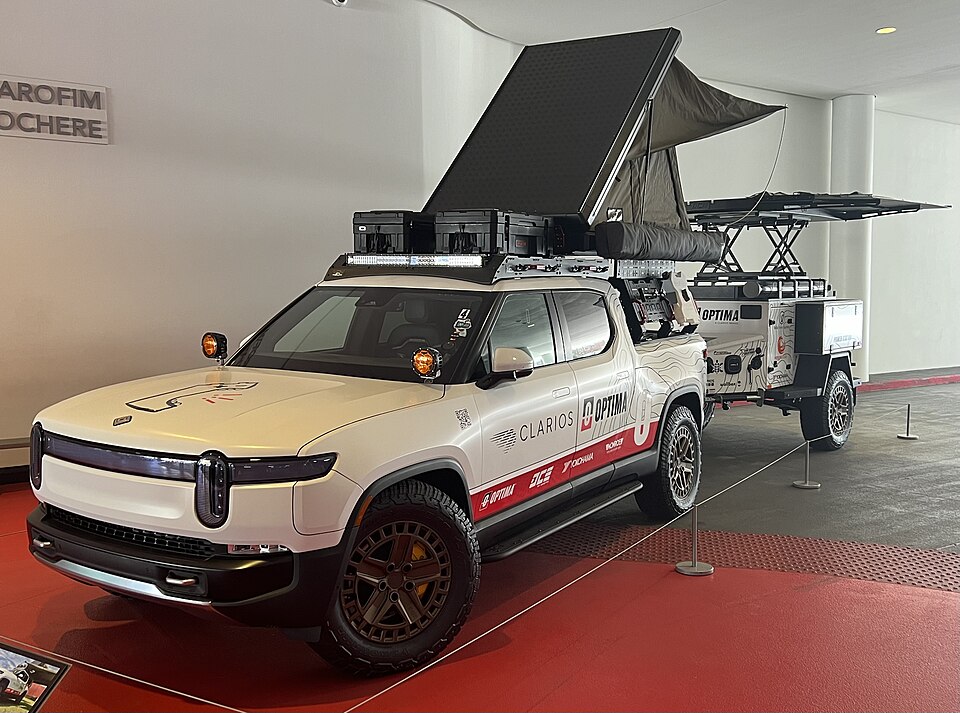
Rivian Automotive watched its stock drop sharply Tuesday morning after the electric vehicle maker announced it would sell 75 million shares of Class A common stock to the public.
According to CNBC, the stock fell 13% during early trading Tuesday. The announcement came during extended hours trading after Rivian shares had already climbed 8.1% on Monday and 19% the week before that.
Based on Monday's closing price of $20.14 per share, the company would raise roughly $1.51 billion through the offering. Rivian said in a public filing that it plans to use the money to fund equity contributions as part of a loan agreement with the U.S. Department of Energy. The company also said it would give underwriters a 30-day option to purchase up to an additional 11.25 million shares on top of the initial offering.
The capital raise comes at a complicated moment for the company. Rivian recently suspended its 2027 profitability target, citing expected increases in spending on research and development related to autonomous driving and next-generation vehicle technologies. The company is also in the middle of launching its new R2 midsize SUV, which it hopes will push it toward profitability by the end of the decade.
Despite the stock decline, the company also released some preliminary second-quarter financial results in a separate filing on Tuesday. Rivian estimated its revenue for the second quarter would land between $1.55 billion and $1.65 billion. That figure came in above the average analyst estimate of $1.45 billion compiled by LSEG. The company's cash, cash equivalents and short-term investments were estimated at $5.3 billion at the end of the second quarter, up from $4.8 billion at the end of the first quarter.
The share sale reflects the financial reality facing Rivian as it tries to scale production and invest in new technology at the same time. The company needs capital to meet the terms of the DOE loan agreement while simultaneously building out its next vehicle platform and developing autonomous driving capabilities. Those two demands together require more money than the company's current operations generate.
The R2 SUV is considered central to Rivian's long-term plan. The company has positioned the vehicle as a more affordable option than its current R1 trucks and SUVs, which are aimed at a higher price point. If the R2 reaches production on schedule and attracts buyers in volume, Rivian believes it can eventually reach profitability. But the path to that point still requires significant spending, and Tuesday's offering is one step toward covering those costs.
The 13% drop erased most of the gains Rivian had built over the previous two weeks. Investors who bought in during that rally saw a significant portion of those gains disappear in a single session, a pattern common when companies announce dilutive share offerings.