SpaceX is set to join the Nasdaq-100 on Tuesday, a move that is expected to push the volatility gap between that index and the S&P 500 even wider.
According to MarketWatch, the Nasdaq-100 has already been far more volatile than the S&P 500. SpaceX's addition is likely to extend that trend. The company will not become eligible for the S&P 500 for at least another year, meaning the two major indexes will track increasingly different groups of companies in the near term.
The Nasdaq-100 tracks the 100 largest non-financial companies listed on the Nasdaq exchange. The S&P 500 tracks 500 large-cap U.S. companies across a broader range of sectors and exchanges. The two indexes often move in similar directions, but the composition of the Nasdaq-100 tends to make it more sensitive to swings in the technology sector.
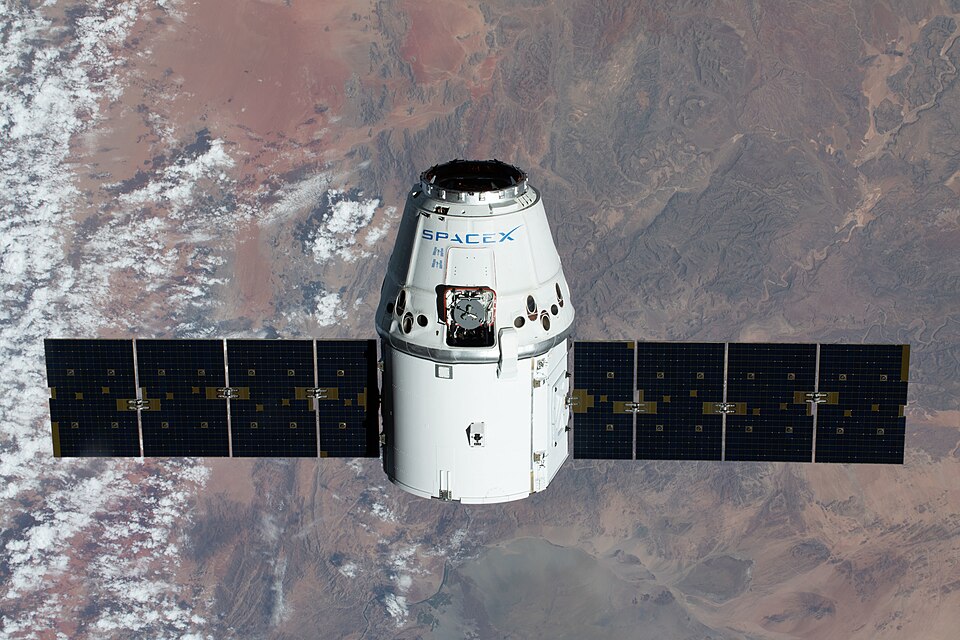
SpaceX, the rocket and satellite company founded by Elon Musk, is one of the most closely watched private companies in the world. Its inclusion in the Nasdaq-100 marks a significant moment for index investing, bringing one of the highest-profile names in aerospace and technology into a benchmark that millions of investors track through index funds and exchange-traded funds.
Investors who hold funds tied to the Nasdaq-100 will automatically gain exposure to SpaceX starting Tuesday. Those tracking the S&P 500 exclusively will not, at least not through index inclusion, for the foreseeable future.