A parasitic infection known for causing watery and often explosive diarrhea has spread across 17 states, prompting a warning from federal health officials. The Centers for Disease Control and Prevention reported 145 cases between May 1 and June 16, but officials say the true number is likely higher.
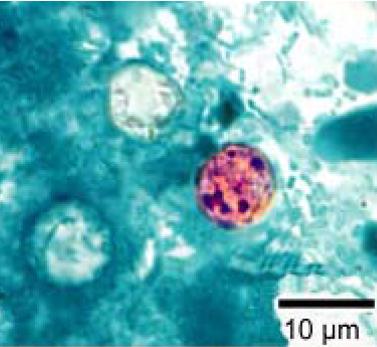
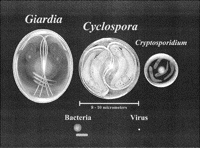
The infection is cyclosporiasis, caused by the microscopic parasite Cyclospora. It is typically spread through contaminated food or water, according to Healthline. People who fell ill ranged in age from 5 to 86 years old, with an average age of 42. About 61 percent of reported cases were in females.
Notably, none of the people diagnosed reported any international travel in the 14 days before they got sick. All of them became ill after eating food inside the United States. So far, reported cases have not been linked to a single common source.
The 17 states with confirmed cases as of June 16 included Alaska, Colorado, Connecticut, Florida, Georgia, Illinois, Louisiana, Massachusetts, New Jersey, New York, North Carolina, Ohio, Pennsylvania, Tennessee, Texas, Virginia, and Wisconsin. New York had reported the highest number of cases at that time. The CDC also noted that infections may exist in states beyond those 17.
That count did not yet include a surge in Michigan that emerged at the end of June. A spokesperson for the Michigan Department of Health and Human Services told Healthline that as of July 2, the state had identified 300 cases. Michigan typically records only about 50 cases of cyclosporiasis per year.
"MDHHS is working with [the] local health department in southeast Michigan to investigate [the] large and growing outbreak of cyclosporiasis, a diarrheal illness, to identify a common exposure," the spokesperson said. "The department is coordinating the multi-jurisdictional investigation, assisting in case interviews, and sharing information with the CDC and MDARD [Michigan Department of Agriculture & Rural Development]. At this time, the source or sources have not yet been identified."
The FDA is working alongside the CDC to identify the potential sources of the outbreak. No deaths have been reported. There have been some hospitalizations.
Beyond diarrhea, the infection can bring a range of other symptoms. Untreated, the illness can last for weeks, often in an on-and-off pattern. Dehydration is considered a major hazard. The infection is treatable, and anyone who suspects they may be infected is advised to contact a healthcare provider.