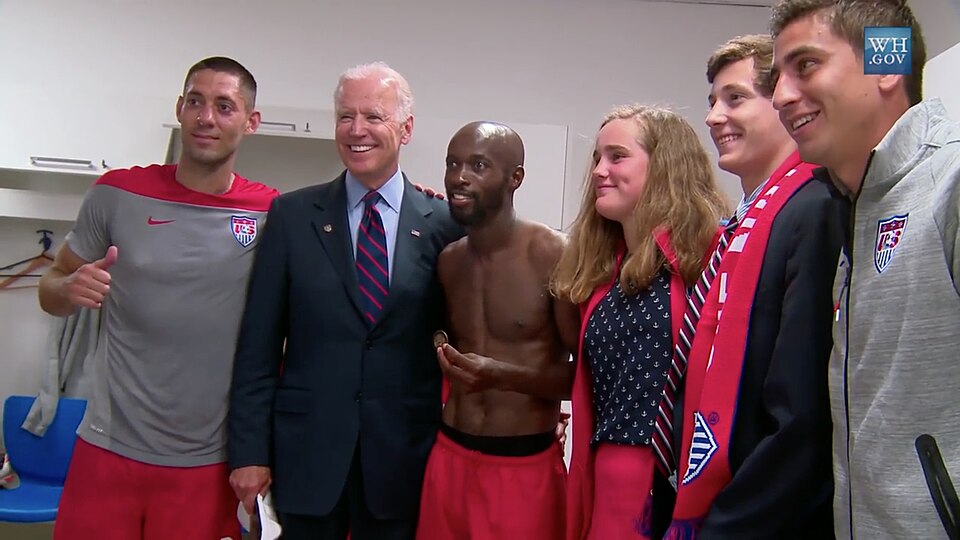
The U.S. men's national team lost 4-1 to Belgium on Monday in the round of 16, ending their run at the 2026 World Cup on home soil and raising hard questions about where the program goes next.
According to CBS Sports, the defeat confirmed what had been an uncomfortable undercurrent throughout the buildup: this group of players has not demonstrated an ability to collectively handle the demands of high-pressure situations. From the opening whistle, the U.S. was nervous with the ball, unwilling to create problems for Belgium, and rarely registered anything of note going forward.
Coach Mauricio Pochettino had spoken about the weight of the occasion months earlier, at the World Cup draw in Washington, D.C. in December. He reflected on his own experience playing at the 2002 World Cup for Argentina, a tournament that ended in a surprise group stage exit.
"My dream always was to play in the World Cup, to play for my national team, Argentina," Pochettino said. "In some moments in my career, I was thinking it's not going to happen but [then] it happened and [at] 31 years old, I had the possibility to play at the World Cup and it disappeared so quick."
His second World Cup ended similarly fast. The U.S. entered the tournament with genuine reasons for optimism. They had a strong recent run of form built on an attack-minded style, and nearly all of their best players were available and considered to be at the peak of their careers. None of that showed against Belgium.
The loss did not arrive without warning. The program has a recent pattern of treating failures as necessary lessons. Pochettino's predecessor, Gregg Berhalter, lost his job after a group stage exit at the Copa America in July 2024. Then, in March 2025, the U.S. lost to both Panama and Canada within days of each other in the Concacaf Nations League.
The Monday loss extended that pattern into the World Cup itself. The USMNT had played poorly in friendlies leading into the tournament, with the argument from within the program being that the mistakes would be corrected in time. They were not.
The broader structural issue, according to CBS Sports, is that the current talent pool is simply not at the level needed to reach the quarterfinals for the first time since 2002. No single coaching hire resolves that. Pochettino may not have been the wrong choice for the job, but the players he had could not deliver in the moment that mattered most.
The U.S. now faces an offseason of evaluation, with the program's path forward unclear and the window that seemed so favorable now closed.