A major drugmaker lost $27 billion in market capitalization on Thursday after a heart-disease treatment it had been developing with a partner company failed its Phase 3 clinical trial, MarketWatch reported.
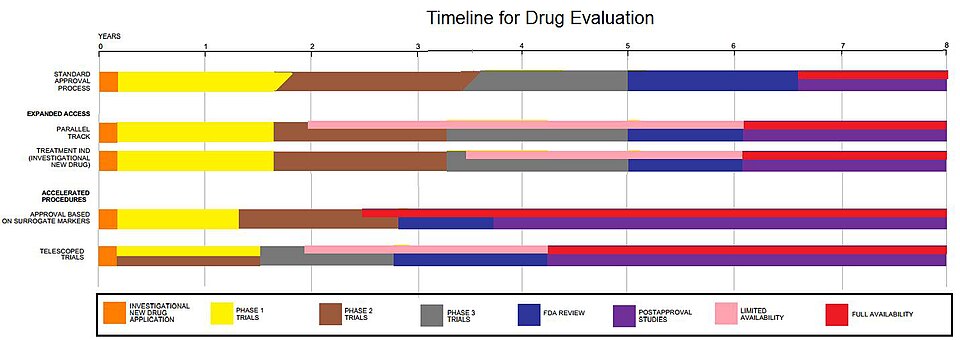
The two companies made the announcement Thursday. Phase 3 trials are the final and most rigorous stage of clinical testing before a drug can be submitted for regulatory approval. A failure at that stage typically means the drug will not advance to market, eliminating a significant source of projected future revenue for both companies involved.
The $27 billion drop in market value reflects how much investors had priced in the drug's potential success. When a late-stage trial fails, markets move quickly to remove that projected value from a company's stock price. In a single session, years of research spending and anticipated earnings can be erased.
Heart disease remains one of the largest drug markets in the world, making successful treatments in the category especially valuable. A Phase 3 failure in this space draws attention not only because of the financial impact but because it signals that a treatment which appeared promising through earlier stages of testing did not hold up under larger, more rigorous study conditions.
Neither the name of the drugmaker nor the specific drug was disclosed in the available report. The market's reaction, however, was swift and severe. A loss of $27 billion in a single day ranks among the larger single-session market value declines in the pharmaceutical sector.
The announcement serves as a reminder of the risk built into drug development timelines. Companies and their investors can spend a decade and billions of dollars moving a compound through preclinical work and Phase 1 and Phase 2 trials before reaching the Phase 3 stage where the largest patient populations are tested. Failure at that final gate wipes out not just the sunk costs but the market's expectations for future returns.