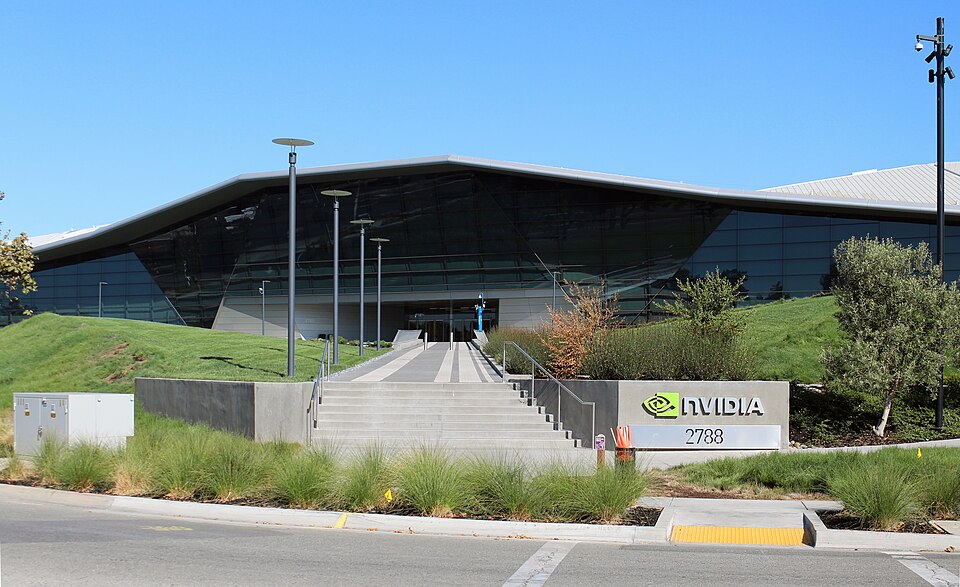
Nvidia has shed roughly $1 trillion in market value since hitting an all-time high on May 14, 2026, and the stock is now trading at about 18 times forward earnings. That puts it below the S&P 500's forward price-to-earnings multiple of 21 times, according to Yahoo Finance. It is the cheapest Nvidia stock has been since early 2019, before the AI boom began.
The stock is down about 16% from its May 14 peak. Investors have rotated out of Nvidia and into memory chip companies like Sandisk and Micron during that stretch. In 2019, Nvidia was still seen primarily as a play on video game chips and bitcoin mining, not the dominant AI infrastructure supplier it became in subsequent years.
Despite the selloff, analysts who follow the company closely are pointing to a potential catalyst that could put a floor under the stock. Nvidia has room to significantly increase share buybacks, and company management has signaled it intends to do exactly that.
"Nvidia reiterated its target of 50% of cash flow to be returned to shareholders this year," Citi analyst Atif Malik wrote in a new note following a call with Nvidia's investor relations. "As it moves to outer years, management mentioned that given where the stock is, they can expect the company to increase buybacks."
Nvidia announced in late May that it would expand its capital return program. It raised its dividend to $0.25 per share from $0.01 and announced a new $80 billion stock buyback authorization on top of an existing $39 billion program that had not yet been fully used. A more aggressive pace of repurchases under those programs could effectively set a floor for the stock as the company buys shares on the open market.
Bank of America analyst Vivek Arya identified several factors driving the selloff in a note published this week. They include gross margin pressure from higher memory costs, competition from custom application-specific integrated circuit chips, a crowded investor ownership base, and what he described as unproductive use of cash in vendor financing rather than stronger buybacks or dividends.
Not everyone on Wall Street sees the current level as a problem. Malik maintained Nvidia as his top buy-rated pick among large-cap data center semiconductor companies, citing the company's access to DRAM memory in a market where supply is constrained.
"The setup is really, really great from a technical perspective," StockBrokers.com strategist Jessica Inskip said on Yahoo Finance's Opening Bid. "It's a great buying opportunity. I think Nvidia is part of the AI infrastructure build-out. They are creating a moat. And there is certainly more to it. So I would be a buyer here."
The question for investors is whether buyback activity alone is enough to stabilize the stock if broader concerns about AI spending and memory costs continue to weigh on sentiment. Nvidia's next earnings report will give Wall Street a clearer look at how gross margins have held up and whether the company is accelerating its repurchase activity as management suggested.