

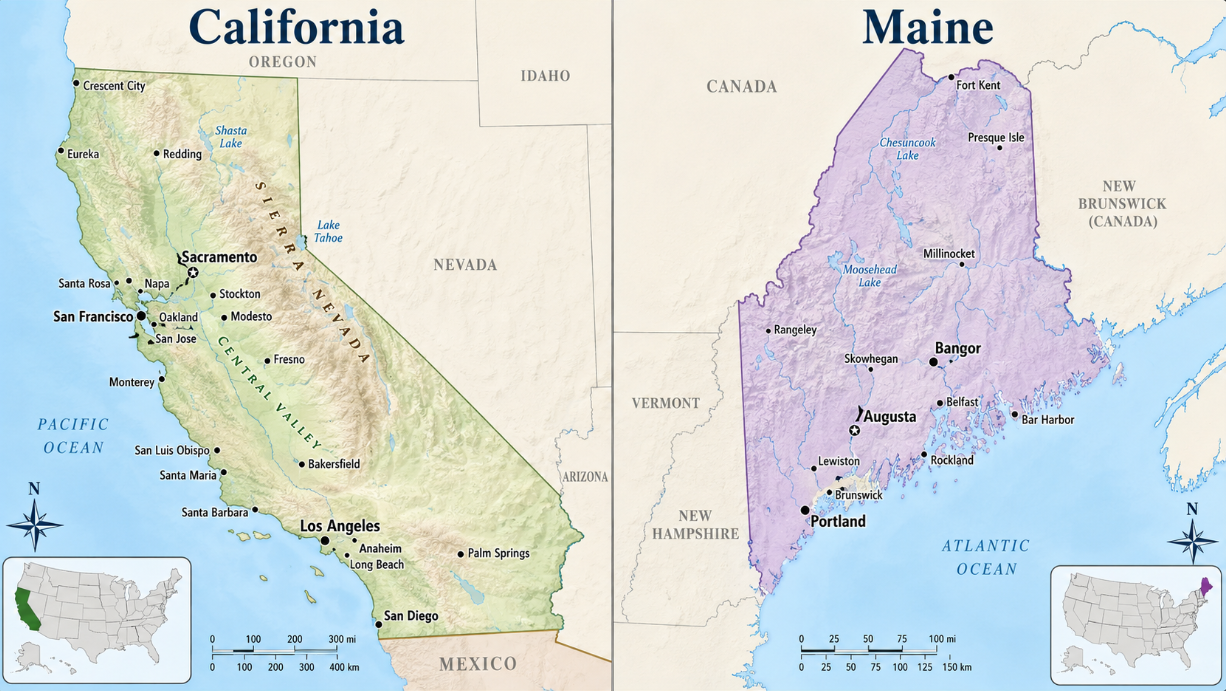
Two states took separate steps this week to address gaps in mental health care, one through new funding for youth services and another through a workforce training program designed to bring more clinicians into the field.
In California, Assemblymember Marc Berman helped secure $5 million in state funding for the allcove youth mental health program, according to the San Mateo Daily Journal. The allcove model provides free, drop-in mental health services to young people between the ages of 12 and 25. The centers are designed to be low-barrier, meaning young people can walk in without a referral or insurance.
The allcove program originated in Australia and has been adapted for use in California. The centers offer mental health counseling, peer support, and help with social needs like housing and employment, all in a single location. The $5 million will support the expansion of the program across the state.
In Maine, a new program is working to grow the behavioral health workforce by training people who are already working in related fields, according to newscentermaine.com. Maine has faced a chronic shortage of licensed mental health professionals, which has left many residents without access to care, particularly in rural areas.
The Maine program aims to move workers through the licensing process more quickly by providing financial support, supervision hours, and streamlined pathways to credentials. Officials behind the effort say the shortage will not be solved by recruiting from outside the state alone. Building local capacity is seen as essential.
Mental health workforce shortages have been documented across the country, but rural states like Maine face particularly steep challenges. The combination of low population density and limited training infrastructure makes it difficult to build and retain a workforce.
The California and Maine efforts reflect different approaches to the same underlying problem. California is focusing on building places where young people can access care. Maine is focusing on building the workforce that can provide it. Both states have framed their programs as long-term investments in regional mental health infrastructure.