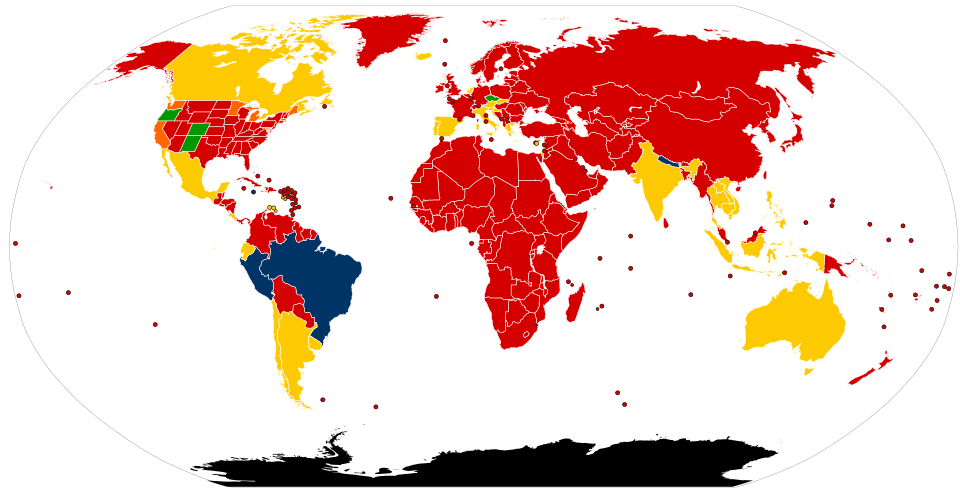
Minnesota is on the verge of becoming one of the few states in the country to legalize access to psychedelic therapy, according to a report by the Minnesota Reformer. Lawmakers are close to passing a bill that would set up a supervised framework for the use of psilocybin, the active compound in psychedelic mushrooms, for therapeutic purposes.
The legislation would not legalize psilocybin for recreational use. Instead, it would create a regulated system where trained facilitators guide clients through sessions at licensed facilities. The model is similar to what Oregon and Colorado have already put in place.
Supporters of the bill argue that psilocybin therapy shows promise for people dealing with depression, post-traumatic stress disorder, and end-of-life anxiety. Clinical research into psychedelics has expanded rapidly in recent years, with several universities and research hospitals running trials on the compound's therapeutic effects.
Opponents have raised concerns about the safety of psychedelic experiences outside of strictly controlled clinical settings, as well as the readiness of the state to regulate an entirely new industry. Questions remain about how facilitators would be trained and certified, and how the state would handle adverse events during sessions.
Minnesota's bill has moved further than similar proposals in other states, putting the state close to a vote that could make supervised psychedelic therapy a legal option for residents seeking alternatives to conventional mental health treatment.
The push comes at a time when mental health resources across the country are stretched thin and demand for new treatment options is growing. If the bill passes, Minnesota would join a small group of states actively building legal frameworks for psychedelic-assisted therapy.