Solid-state batteries have long been seen as the next leap forward in energy storage. They could allow smartphones to run for several days on a single charge and give electric vehicles driving ranges up to three times greater than many current models. But a persistent and poorly understood failure problem has kept them from reaching the mass market. Now, researchers say they have finally cracked the mystery, literally.
An interdisciplinary team at the Max Planck Institute for Sustainable Materials, known as MPI-SusMat, has identified exactly how tiny structures called dendrites grow inside solid-state batteries and cause them to fail. Their findings were published in the journal Nature, according to Science Daily.
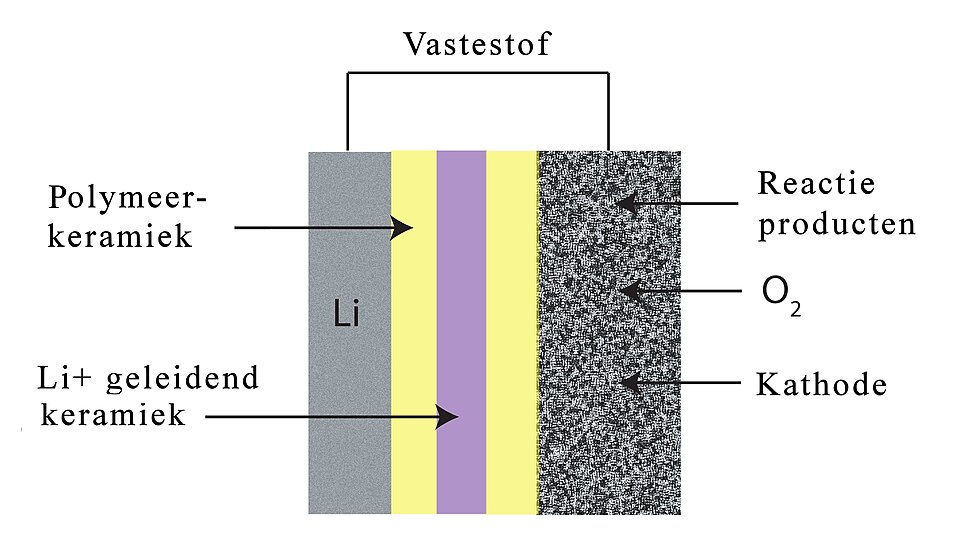
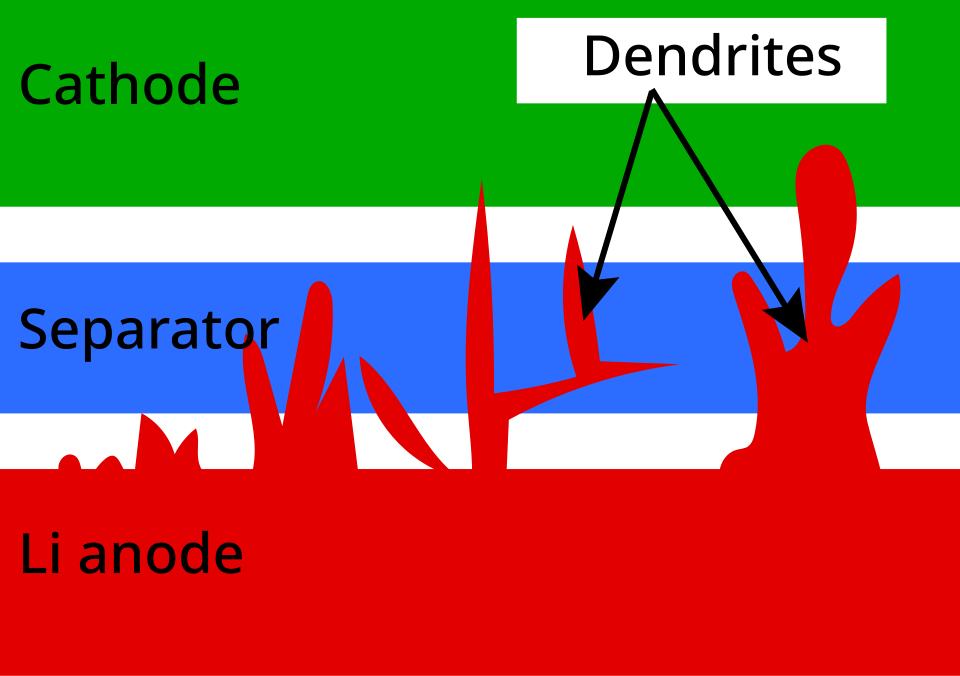
Unlike conventional lithium-ion batteries, which use a liquid electrolyte between two solid electrodes, solid-state batteries replace that liquid with a solid material, typically a hard ceramic. The design promises higher energy density, better safety, and a longer lifespan. The problem is what happens during charging. Tiny, tree-like growths called dendrites form from the lithium anode and push into the solid electrolyte, eventually piercing it and creating an internal short circuit. The question that stumped researchers for years was how something as soft as lithium could break through something as hard as ceramic.
Dr. Yuwei Zhang, first author of the new publication and head of the group Chemo-Mechanics of Battery Materials at MPI-SusMat, described the puzzle directly. "Although the electrodes and the forming dendrites consist of lithium metal, which is soft like a gummy bear, the dendrites are able to penetrate the ceramic electrolyte and lead to a short circuit," he said. "How can soft dendrites fracture the stiff solid ceramic? There are two hypotheses: either internal stress is built up inside the dendrites and induces mechanical fracture of the solid electrolyte. Or, electrons leak along the grain boundaries of the solid electrolyte promoting the formation of lithium nuclei that interconnect later."
To settle the question, the team used an advanced combination of sample preparation and materials characterization techniques. Every step of their investigation was performed under vacuum and at cryogenic temperatures. That precaution was necessary to eliminate interference from oxygen, water, or even the electron beams used in microscopes, all of which can alter the delicate chemistry of lithium at the nanoscale. The team examined both the internal stress within the dendrites and the behavior of electrons at the grain boundaries of the ceramic electrolyte.
The findings give battery engineers a clear target. For years, attempts to prevent dendrite-related failures were complicated by the fact that no one fully understood the mechanism driving them. Knowing exactly how the fractures form and propagate opens the door to designing electrolyte materials and battery architectures that can resist or redirect that damage.
The stakes are significant. Demand for better energy storage is rising alongside growth in electric vehicles and portable electronics. Solid-state batteries have attracted investment from major automakers and technology companies precisely because of their theoretical advantages over current lithium-ion designs. The liquid electrolyte in conventional batteries can leak, catch fire, and degrade over time. A solid electrolyte addresses those risks, but only if the dendrite problem can be controlled.
The research came out of MPI-SusMat, which is part of the Max Planck Society in Germany, one of Europe's leading networks of scientific research institutions. The publication in Nature, one of the most selective scientific journals in the world, signals that the findings have passed rigorous peer review.
No commercial timeline was announced alongside the research. But the identification of the fracture mechanism is the kind of foundational result that materials scientists and battery engineers can build on directly.