For years, sticker shock from concerts and live events drove a phenomenon economists and consumers called funflation. Now that pressure is reaching people inside their own homes.
CNBC reported that after a wave of price hikes from companies including Amazon, Apple, and Netflix, at-home pastimes like streaming movies and playing video games are increasingly straining household budgets. Exclusive data analyzed for CNBC by PNC Financial Services shows the average consumer pulled back on home entertainment in June compared with a year ago. That pullback was most prominent among Gen Z and Millennial consumers, who each cut their transactions by about 4%.
"Funflation is back in 2026," said Brian LeBlanc, PNC's senior economist. "We're seeing that very clearly in things like travel, entertainment, concerts." Now, LeBlanc said, "we're also starting to see it more in home leisure."
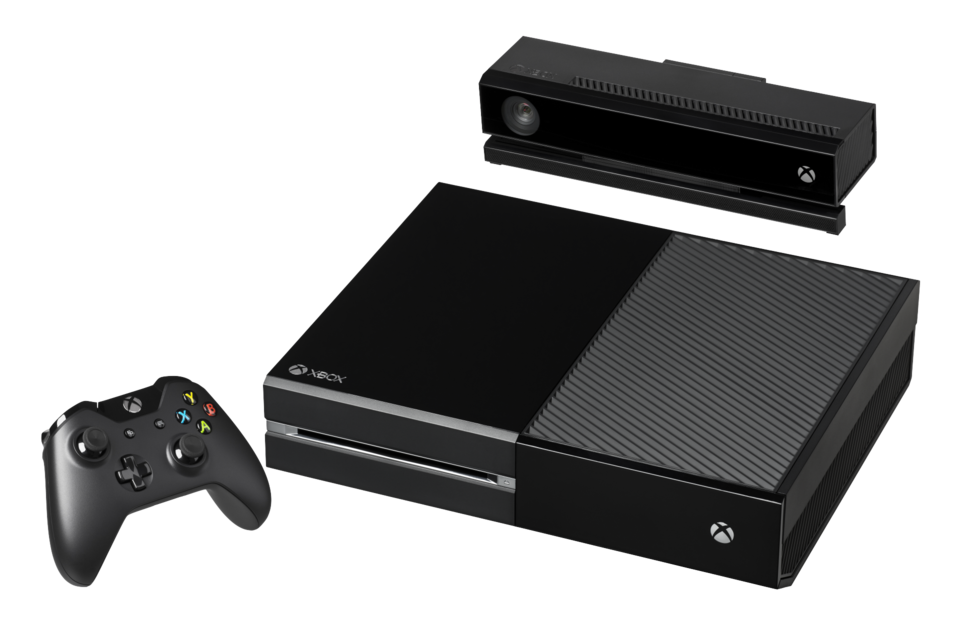
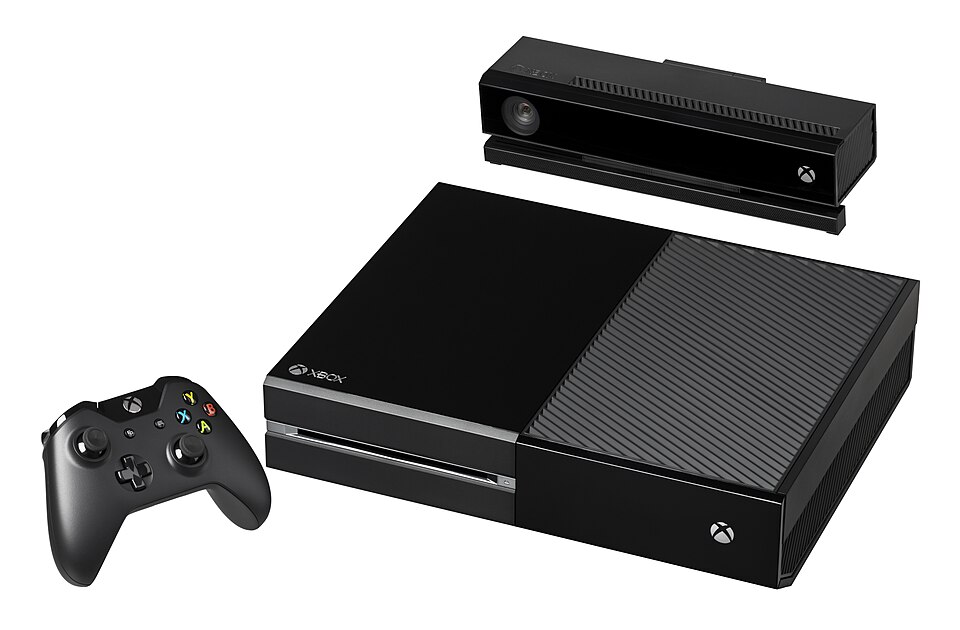
The price increases are arriving across the industry. Microsoft's Xbox and Apple each announced price hikes for devices in late June. Apple acknowledged in a statement that higher prices were "not welcome news." A month before that, Nintendo said it was raising the price of its Switch 2 in the U.S. by 11%. Companies attributed the increases to more expensive components driven by an artificial intelligence-related memory chip crunch.
Xbox CEO Asha Sharma said in recent interviews that gaming is becoming unaffordable. The company said it would focus on developing less-costly consoles. Microsoft also announced this week that it was laying off thousands of workers in its Xbox unit and spinning off several gaming studios.
"We've reached a point where it will be hard to imagine that mass audiences can afford thousands of dollars to spend on a console generation," Sharma said on stage during a Fortune event early last month.
The price trend extends beyond devices themselves. Computers and related products had gotten cheaper over time, adjusted for inflation and capacity, as production became more efficient. That trend has begun to reverse. Elizabeth Renter, a senior economist at NerdWallet, said the disinflationary relief for shoppers appears to be coming to an end as component costs rise. Powering these devices has also gotten more expensive, with electricity prices climbing as well.
For consumers like Alyx Green, a 31-year-old graduate student in Illinois, the changes have been felt directly. Green has been a video game hobbyist for decades but has shifted toward cheaper games from smaller studios or board and card games as prices have climbed. In some cases, Green watches videos of others playing popular games on YouTube instead of buying the games. "The price has been going up," Green said. "It's just hard to keep up."