

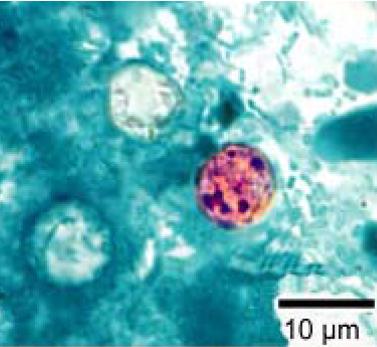
A Cyclospora outbreak is growing in the United States, and health officials have not yet identified what food source is behind the spread of infections, according to reporting by News 9 and STAT.
Cyclospora cayetanensis is a microscopic parasite that causes an intestinal illness called cyclosporiasis. People become infected by consuming food or water contaminated with the parasite. The illness is not spread directly from person to person.
The condition typically causes watery diarrhea that can be frequent and sometimes explosive. Other symptoms include loss of appetite, weight loss, stomach cramps, bloating, nausea, fatigue, and low-grade fever. If left untreated, symptoms can last weeks or even months and may cycle through periods of improvement followed by relapse.
The parasite is killed by cooking but can survive on raw produce. Past outbreaks in the United States have been linked to fresh herbs, leafy greens, and imported berries, though investigators have not confirmed a specific source in the current outbreak.
Health officials are conducting traceback investigations to determine the origin of the contamination. Those efforts involve interviewing patients about what they ate before becoming ill and comparing that information across cases to find a common food item.
Diagnosis requires a stool sample and specific laboratory testing. Standard tests for parasites do not always detect Cyclospora, so doctors must specifically request the test. Treatment involves a course of antibiotics, specifically the combination drug trimethoprim-sulfamethoxazole.
Public health agencies have urged people who develop prolonged diarrhea, especially after eating fresh produce, to contact a healthcare provider and mention the possibility of Cyclospora. The investigation remains ongoing as the case count continues to rise.