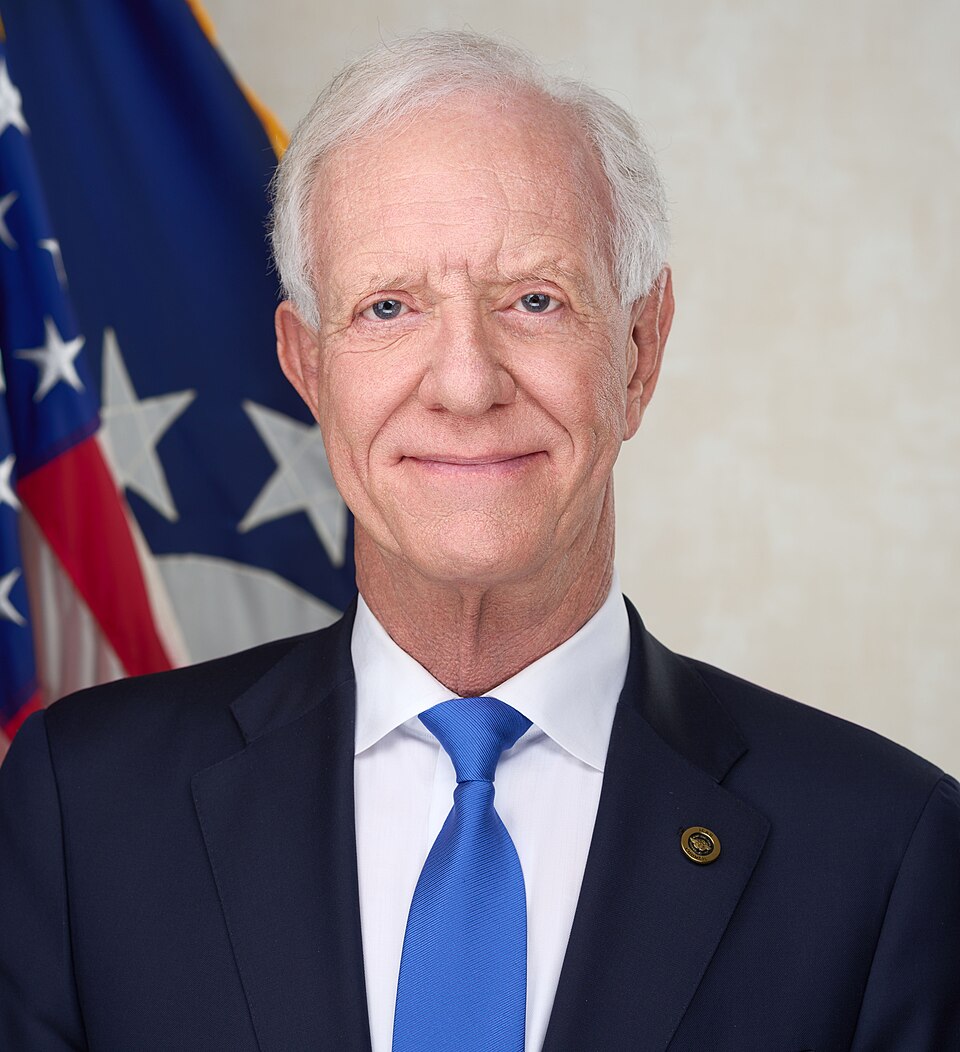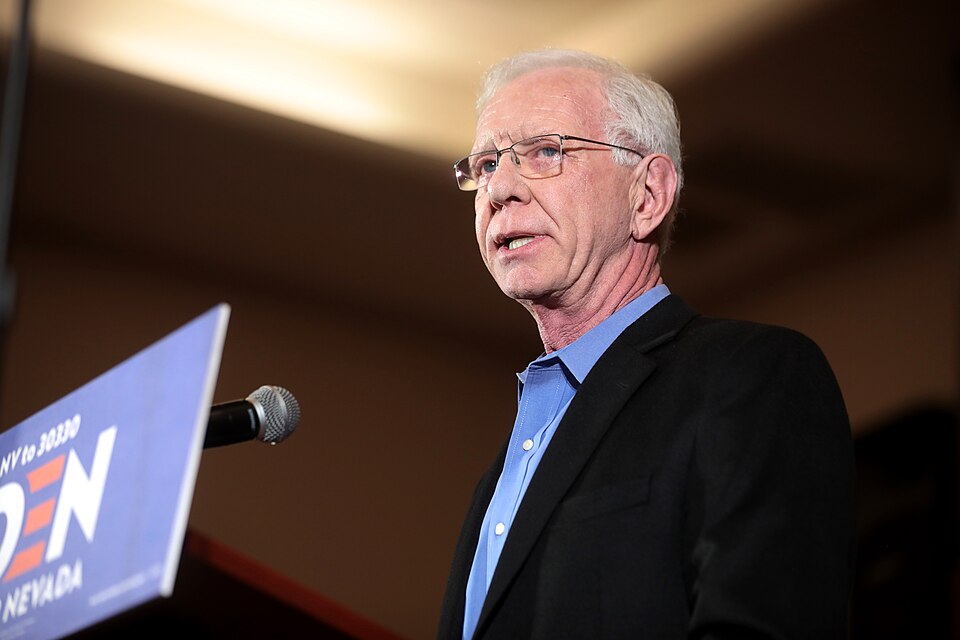
Captain Chesley "Sully" Sullenberger III, the pilot credited with saving all 155 people aboard US Airways Flight 1549 when he landed the plane in New York's Hudson River in 2009, has announced he has been diagnosed with Alzheimer's disease, according to BBC News.
Sullenberger, 75, shared the news Tuesday in a post on his personal website. He said the diagnosis came recently and that the disease is in its early stages.
"For now, this means a name may not come easily to me, I forget a story I have recently told, or I don't sleep as well, but I am in the beginning of this long journey," he wrote.
The former US Air Force fighter pilot from California said the diagnosis "has challenged what it means to be of service" and that he found "the answer is to speak up" about the disease.
Flight 1549 went down on January 15, 2009, after a collision with a flock of geese shortly after takeoff disabled both engines. Sullenberger's decision to ditch the plane in the Hudson River, rather than attempt to reach an airport, allowed all 155 people on board to survive. His calm and quick thinking during the emergency were widely credited with preventing mass casualties. He had been flying for 40 years before that day.
Sullenberger retired as a pilot one year later in 2010. He has continued working as an advocate for aviation safety in the years since. In 2016, director Clint Eastwood dramatized the emergency landing in a film called "Sully," with Tom Hanks playing the captain.
In his Tuesday post, Sullenberger connected his response to the diagnosis to the same values he described after Flight 1549.
"Over the years, when people would ask about the successful outcome of Flight 1549, I would say that 'courage can be contagious,' and on that day it helped everyone band together to get everyone off that airplane successfully," Sullenberger wrote. "Now we need that courage to battle this disease. I am now part of a larger community with many of you, and we will be courageous together."