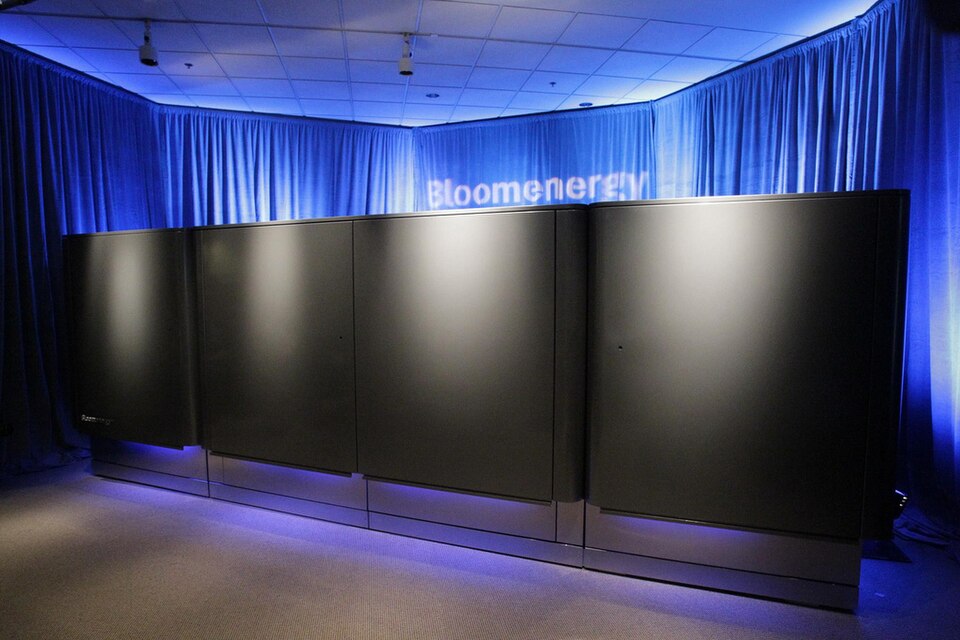
Bloom Energy has been one of Wall Street's standout performers in 2026, with shares climbing 149% year to date. But the stock now sits roughly 39% below its June peak, and the reasons behind that drop point to something bigger than a single company's stumble.
According to a report from Yahoo Finance, investors are beginning to price in a risk that didn't get much attention during the AI infrastructure boom: regulators and local communities blocking the projects that were supposed to drive growth.
The most concrete example involves Oracle's proposed AI campus in New Mexico, called Project Jupiter and part of the broader Stargate initiative. The planned $165 billion investment is one of the largest AI infrastructure projects currently under development. It originally called for a natural gas-fired power plant, but local officials and residents raised objections over emissions and water consumption. Oracle responded by switching the energy plan to as much as 2.45 gigawatts of Bloom Energy's solid oxide fuel cell technology. Regulators rejected the revised project anyway, and that rejection was the second time the proposal had been turned away.
The setback matters because Project Jupiter represented one of Bloom's most significant near-term growth opportunities. Fuel cell deals at that scale take years to negotiate and require regulatory approval at multiple levels. A second rejection signals that even revised plans with cleaner technology are not guaranteed a path forward.
The regulatory pressure is not limited to New Mexico. New York has implemented a one-year statewide moratorium on new data centers, a move that extends what had been local, community-level resistance into formal state policy. That shift changes the risk profile for the entire AI infrastructure buildout, not just for Bloom.
Earlier this month, the stock also absorbed a blow from a short seller who questioned Bloom's long-term growth assumptions and its concentration of customers. The market did not fully embrace the bearish case, but the report added another layer of uncertainty at a moment when expectations for AI infrastructure spending were already running high.
Bloom Energy's situation reflects a broader dynamic in the AI power trade. Artificial intelligence has made power infrastructure one of the hottest investment themes of the year, lifting utilities, turbine manufacturers, and fuel cell providers alike. The assumption driving those gains was that hyperscale data centers would multiply quickly and that companies able to supply electricity fast would win big contracts.
What is becoming clearer is that speed depends on more than technology. Siting a data center or a power plant requires permits, environmental reviews, community input, and in some cases state-level approval. Each of those steps creates a potential point of failure, and investors are beginning to account for that.
The stock's 39% decline from its peak does not erase the year's gains, but it suggests that the easy part of the trade, buying into the AI power narrative before the obstacles became visible, may already be over.