Korean beauty, known as K-beauty, is no longer a niche import. U.S. sales reached $2.8 billion in early 2026, a roughly 48% increase from a year ago, according to data from NielsenIQ reported by CNBC. That growth rate is faster than the nearly 45% seen in the prior-year period, an unusual acceleration that analysts say signals something more than a passing trend.
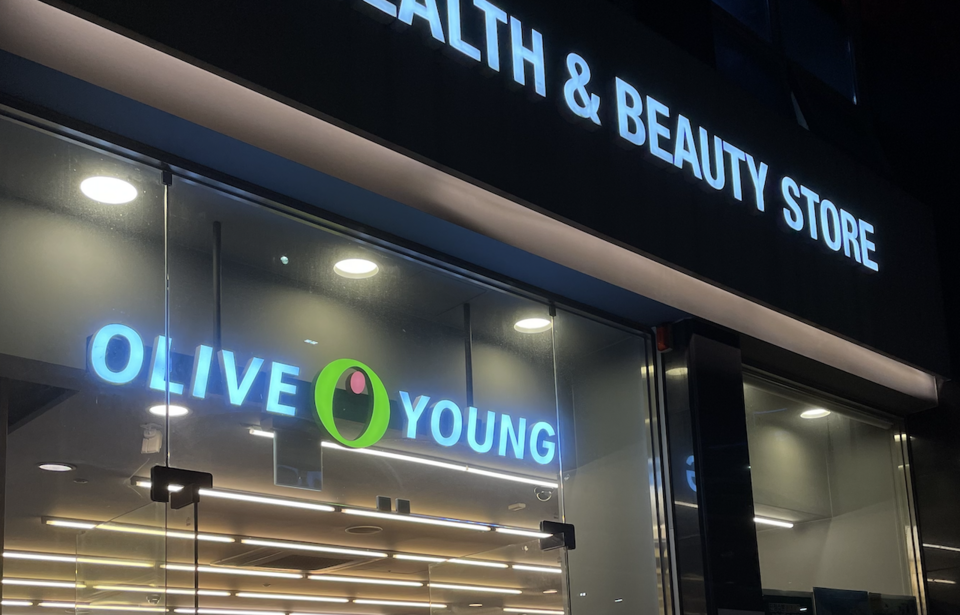
The numbers got a visible boost when Olive Young, South Korea's leading beauty retailer, opened its first U.S. location in Pasadena, California, in late May. Shoppers camped out before the doors opened. Lines stretched multiple blocks. On opening weekend alone, 6,000 customers walked through the store. The location now sees an average of more than 1,600 visitors per day, the company said. A second store has since opened in Century City, California, and the company said it plans to open more U.S. locations.
"The U.S. is not only the world's largest beauty market, but also one of the most influential in shaping global beauty trends, content, and consumer behavior," said Rena Kim, Olive Young's global communications lead. "It was a natural and strategic next step in our global expansion."
Industry analysts point to two distinct waves of K-beauty growth in the United States. The first began in the 2010s and continued through the Covid-19 pandemic, when consumers stuck at home began exploring more elaborate skincare routines.
"People were home. They had time to kind of learn about a 10-step skin care routine. They learned about what specific ingredients did, how to layer products together," said Anna Mayo, a NielsenIQ beauty thought leader. "We saw the rise of this 'glass skin' look, and this real emphasis on healthy and glowing skin that looks great every day versus the need to kind of cover it up with cosmetics."
Mayo said that period fundamentally changed how American consumers think about their skin. "Consumers have already been primed in this skin care-first philosophy that they're kind of living in," she added.
That priming helped set the stage for the second wave now underway. K-beauty is reaching more American households, climbing to 28.7% household penetration over the latest yearly period, a sign that consumers are not just trying these products once but continuing to buy them.
Morgan Stanley analyst Simeon Gutman projects K-beauty sales in the U.S. could reach approximately $4 billion in 2026, citing the rising popularity of Korean culture and U.S. consumer demand for functional skincare products as key drivers. Gutman confirmed to CNBC that those views remain current.
Some in the industry believe K-beauty's rise is doing more than growing its own market. Medical aesthetician and skin care educator Cassandra Bankson told CNBC that K-beauty's popularity has opened a path for beauty products from other countries to follow, so long as trade and information channels remain accessible.