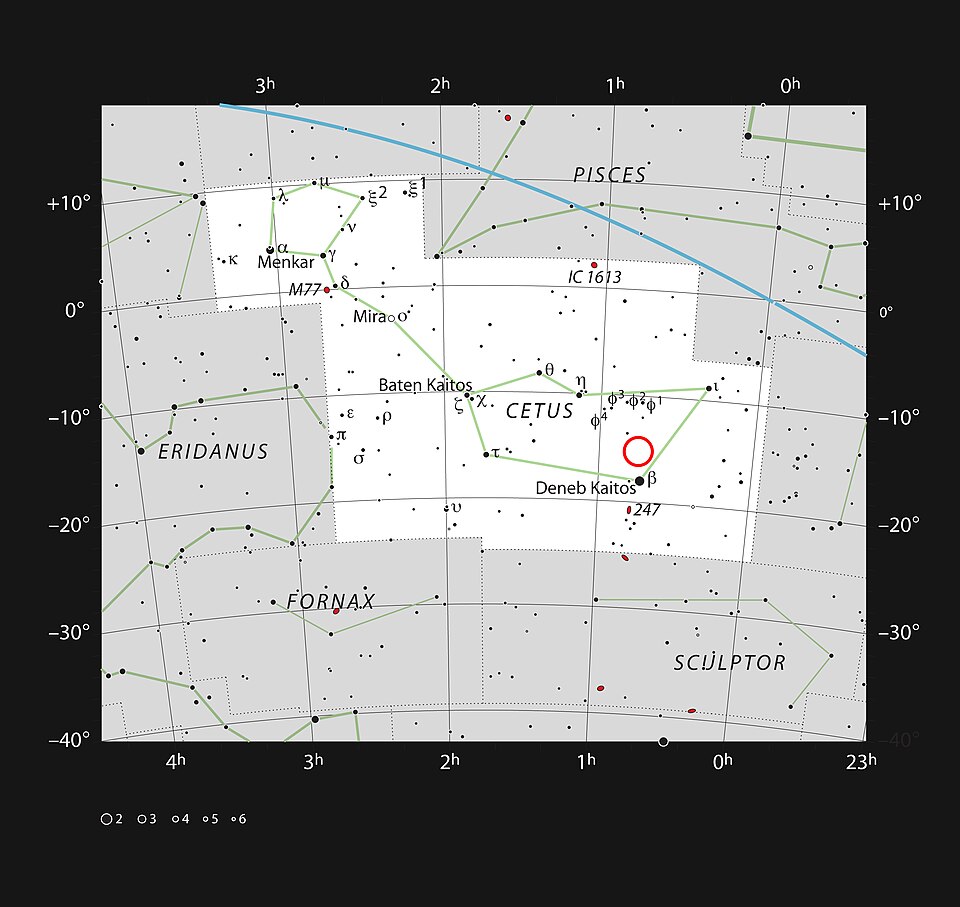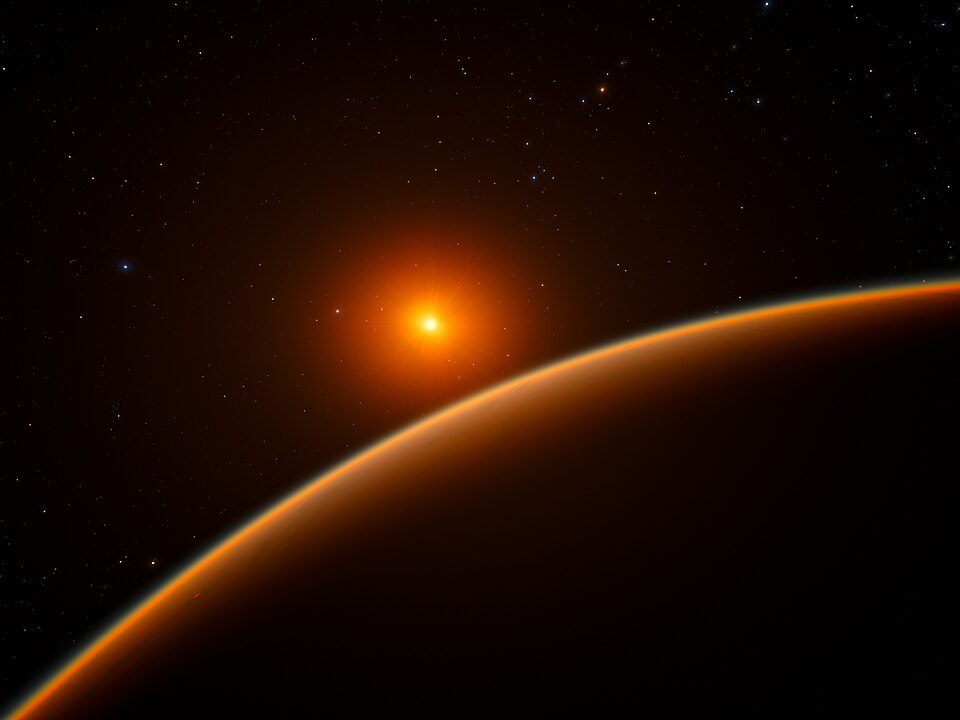
For the first time, astronomers have detected an atmosphere surrounding a rocky planet located in the habitable zone of another star. The planet is called LHS 1140b, and it sits roughly 48 light-years from Earth.
According to a new study published in the journal Science, the discovery matters because it checks several boxes that scientists require before seriously considering a planet as a candidate for life. LHS 1140b is rocky rather than a gas giant, it sits in the zone around its star where liquid water could exist on a surface, and it has held onto an atmosphere despite harsh conditions.
"It's very exciting," said Collin Cherubim, lead author on the study and a PhD graduate from Harvard, in an email. "A major goal in the field has been to understand whether any rocky exoplanets at all can retain atmospheres."
Most rocky planets orbit M-class dwarf stars. These stars emit high-energy radiation for far longer than stars like the sun, and that radiation, combined with solar wind and other forces, tends to strip atmospheres away early in a planet's life. Before this discovery, Earth was the only rocky planet humans had ever observed with a confirmed intact atmosphere.
Finding LHS 1140b's atmosphere was not straightforward. Cherubim used a computer model he developed that simulates how exoplanet atmospheres evolve over billions of years. Those models predicted the existence of what he called helium worlds, rocky planets with atmospheres made mostly of helium. He tested that prediction against data from LHS 1140b and found a match.
The atmosphere, however, is not particularly welcoming. Its upper layer is almost entirely helium and is depleted of hydrogen. Helium does not support life as humans know it. The planet is also tidally locked to its star, meaning one side bakes in permanent daylight while the other sits in permanent darkness. LHS 1140b is also roughly 70 percent larger than Earth, putting surface gravity at nearly twice what humans experience here.
Those factors do not completely eliminate the possibility of life, but they make it far less likely. Scientists recognize three main requirements for a planet to support life: an atmosphere, temperatures that can sustain liquid water, and a rocky surface. LHS 1140b appears to satisfy all three on paper. The chemistry of its atmosphere, however, remains a serious obstacle.
The discovery still represents a significant step. It confirms that rocky planets in habitable zones can, under the right conditions, hold onto their atmospheres over billions of years. That opens the door for researchers to look more carefully at other planets in similar positions around their stars.