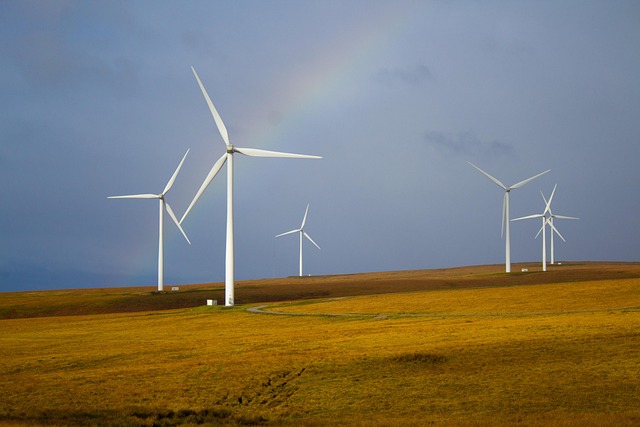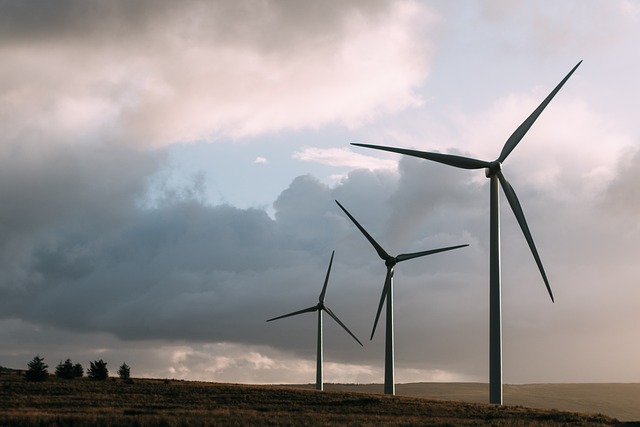
Estonia ranked first in the world for environmental performance in 2026, driven by sharp cuts in greenhouse gas emissions from power generation over the past decade. The country expanded renewable electricity and pulled back from fossil fuel production, while also placing among the top performers globally on biodiversity and ecosystem protection.
The rankings come from the 2026 Environmental Performance Index, a biennial report produced by researchers at the Yale Center for Environmental Law and Policy and Columbia Climate School's Center for Integrated Earth System Information. According to the report, European countries hold all but one of the top 20 positions this year. After Estonia, the top five are Luxembourg, the United Kingdom, Finland and the Netherlands.
The index evaluated 177 countries using 47 indicators across 12 issue categories covering environmental health, ecosystem vitality and climate change. The report also found that advances in artificial intelligence are giving researchers a clearer picture of environmental change around the world.
The United States ranked 27th overall. It performed well on environmental health measures but scored lower on biodiversity protection and climate change metrics. U.S. greenhouse gas emissions declined by 9.6% between 2014 and 2024, but the report projects emissions will remain well above the level needed to reach net-zero by 2050.
CIESIN Director Alex de Sherbinin, a co-author of the index, pointed to regulation as a key factor in Europe's performance. "Europe's strong showing is partially attributable to very strong environmental regulations and a commitment to decarbonization," he said. "The U.S. risks falling even further behind in the coming years as it backslides on environmental commitments."
Despite leading the rankings, European countries still face sustainability challenges of their own. Agricultural sustainability remains a weak spot for many of them. Japan, the only non-European country in the top 20, ranked 139th in agricultural sustainability. Countries at the bottom of the overall index include Laos and India, with India's low score reflecting severe air pollution and continued reliance on fossil fuels.
Zach Wendling, lead author of the 2026 EPI, described what will be required to stay on track. "If countries aim to maintain a trajectory toward net-zero emissions by 2050, they will need to continually achieve large emissions reductions, which will require additional policies in the future," he said.
Few countries across the index are currently on pace to meet the global net-zero target by 2050, and the report found that progress has slowed across a range of pollution control and natural resource management challenges. The next edition of the index is scheduled for 2028.