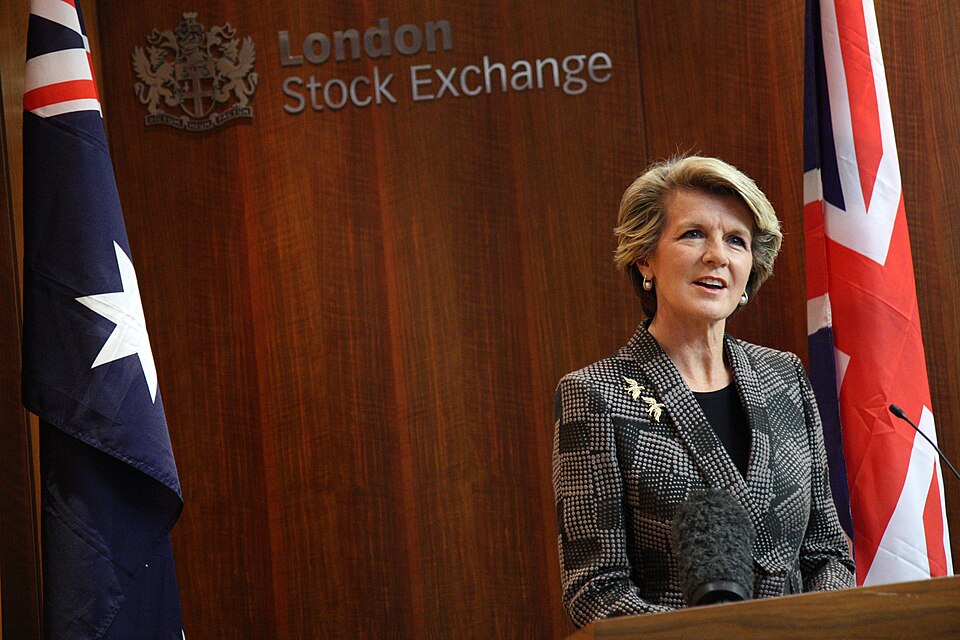
The London Stock Exchange is planning to launch round-the-clock trading as soon as next year, according to a report by the Financial Times. The move would mark a significant departure from the traditional model of set trading hours that has defined major stock exchanges for more than a century.
The plan, if carried out, would put the London Stock Exchange alongside a growing number of markets and platforms that have been extending or eliminating fixed trading windows. In the United States, the New York Stock Exchange and Nasdaq have both been exploring or testing extended-hours trading as demand from retail and institutional investors for more flexible access has grown.
Round-the-clock trading would allow investors in different time zones to buy and sell shares on the London exchange at any hour, rather than being limited to the current trading window. For institutional investors in Asia or the Americas, that could make it easier to respond to news or shift positions without waiting for London's market to open.
The London Stock Exchange is one of the oldest and most important financial markets in the world. Its decision to consider a 24-hour model reflects pressure from newer trading platforms and alternative venues that have attracted volume by offering more flexible hours.
For individual investors and retail traders, extended hours trading can offer more flexibility, but it also comes with risks. Trading volumes are often lower outside traditional hours, which can mean wider spreads between the prices at which buyers and sellers are willing to transact. That can make it more expensive to execute trades at the price a trader expects.
For the exchange itself, running a 24-hour operation raises questions about technology infrastructure, staffing, regulation, and clearing and settlement processes. Markets depend on a chain of institutions to confirm and finalize trades, and extending hours requires all of those pieces to be in place around the clock.
The Financial Times report indicated the exchange is targeting a launch next year, suggesting the planning process is already well advanced. Whether the rollout proceeds on that schedule will depend on regulatory approvals and the readiness of brokers, clearing houses, and other market participants to support continuous trading.
The move comes as London's financial markets have faced competitive pressure following Brexit, with some firms shifting operations or listings to other European cities. Expanding trading hours could be one way the exchange works to maintain its relevance and attract global investors.