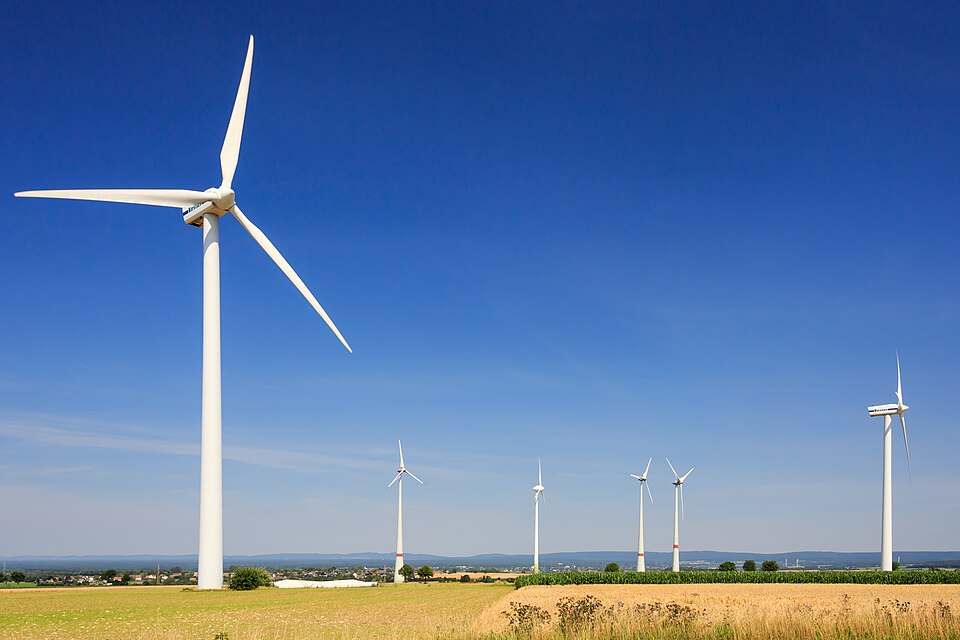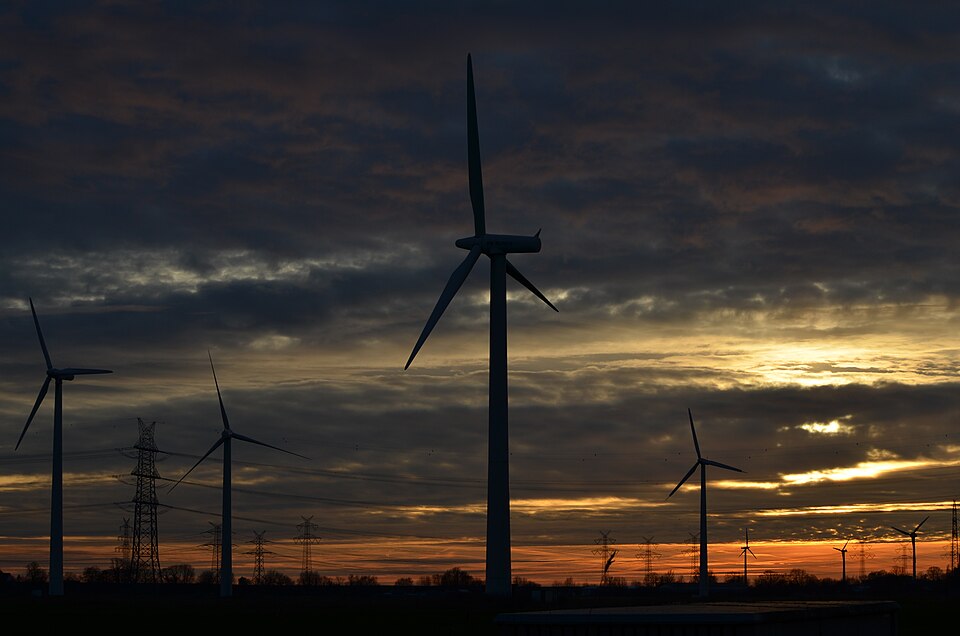
German electricity prices fell to their lowest level since June on Friday, driven by a surge in wind generation across the country, Bloomberg reported.
Day-ahead power prices dropped sharply, creating an unusual pricing gap between Germany and neighboring France. The divergence reflects how quickly domestic generation capacity can move wholesale electricity markets when wind output rises significantly.
Germany has expanded its wind energy infrastructure substantially over the past decade as part of its broader shift away from fossil fuels and nuclear power. When wind output is high, it can flood the grid with low-cost electricity and push prices well below those of neighboring countries that rely on different generation mixes.
France draws a larger share of its electricity from nuclear power, which produces at a relatively steady rate regardless of weather conditions. That structural difference helps explain why the two countries can see sharp price divergences during periods of strong renewable output in Germany.
The drop to a three-month low reflects conditions specific to Friday's generation data and does not necessarily indicate a longer-term price trend. Day-ahead markets are settled daily based on forecast supply and demand, making them highly sensitive to short-term changes in wind and solar output.
European energy markets have remained closely watched since the supply disruptions of 2022, and price movements in Germany, as the continent's largest economy, carry wide influence across the region's interconnected grid.