

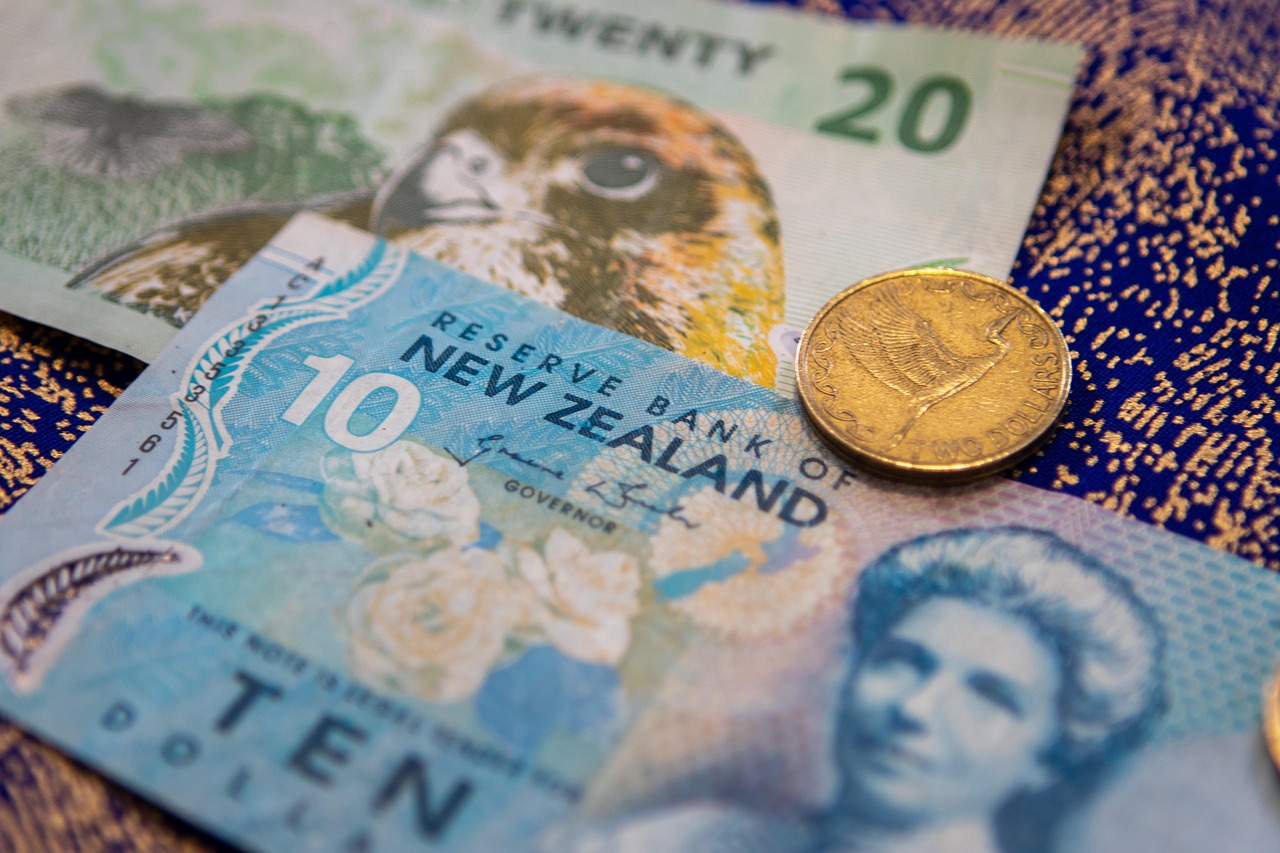
New Zealand's annual inflation rate climbed to 4.1 percent in the second quarter of 2026, the highest level in more than two years. The jump was driven by soaring fuel prices, according to Bloomberg. The surge reinforced the Reserve Bank of New Zealand's decision to begin raising interest rates.
Fuel costs played a central role in pushing prices higher across the economy. The acceleration was sharp enough to draw attention beyond New Zealand's borders, as fuel prices have been climbing in other markets as well.
In the United States, a similar dynamic has been playing out at the gas pump. The spread between the cost of barrels of gasoline and crude oil, known as the crack spread, has widened sharply, according to MarketWatch. That spread measures the difference between what refiners pay for crude oil and what they receive when they sell refined products like gasoline.
When the crack spread widens, gasoline prices can rise faster than crude oil prices. That is what consumers have been experiencing. A driver filling up a tank may notice prices climbing even when news reports say oil prices have not moved much. The crack spread explains that gap.
Refiners benefit when the crack spread is wide, because their margins improve. Consumers, on the other hand, pay more at the pump regardless of what crude oil is doing on global markets.
New Zealand's situation shows what can happen when fuel costs feed into a broader economy. Higher gasoline prices raise the cost of transporting goods, which can push up prices across many categories of consumer spending. The Reserve Bank moved to address that pressure by beginning a rate-raising cycle.
Central banks in multiple countries have been watching fuel prices closely as a potential driver of broader inflation. When fuel costs rise sharply and quickly, they can pull overall inflation figures higher in a short period of time, as New Zealand's second-quarter data showed.
The Reserve Bank's decision to raise rates signals that officials there view the inflation surge as something that requires a policy response rather than a brief, self-correcting spike. Higher interest rates are designed to slow borrowing and spending, which over time puts downward pressure on prices. Whether that approach will be enough to bring New Zealand's inflation back down will depend in part on whether fuel costs continue to climb or begin to ease.