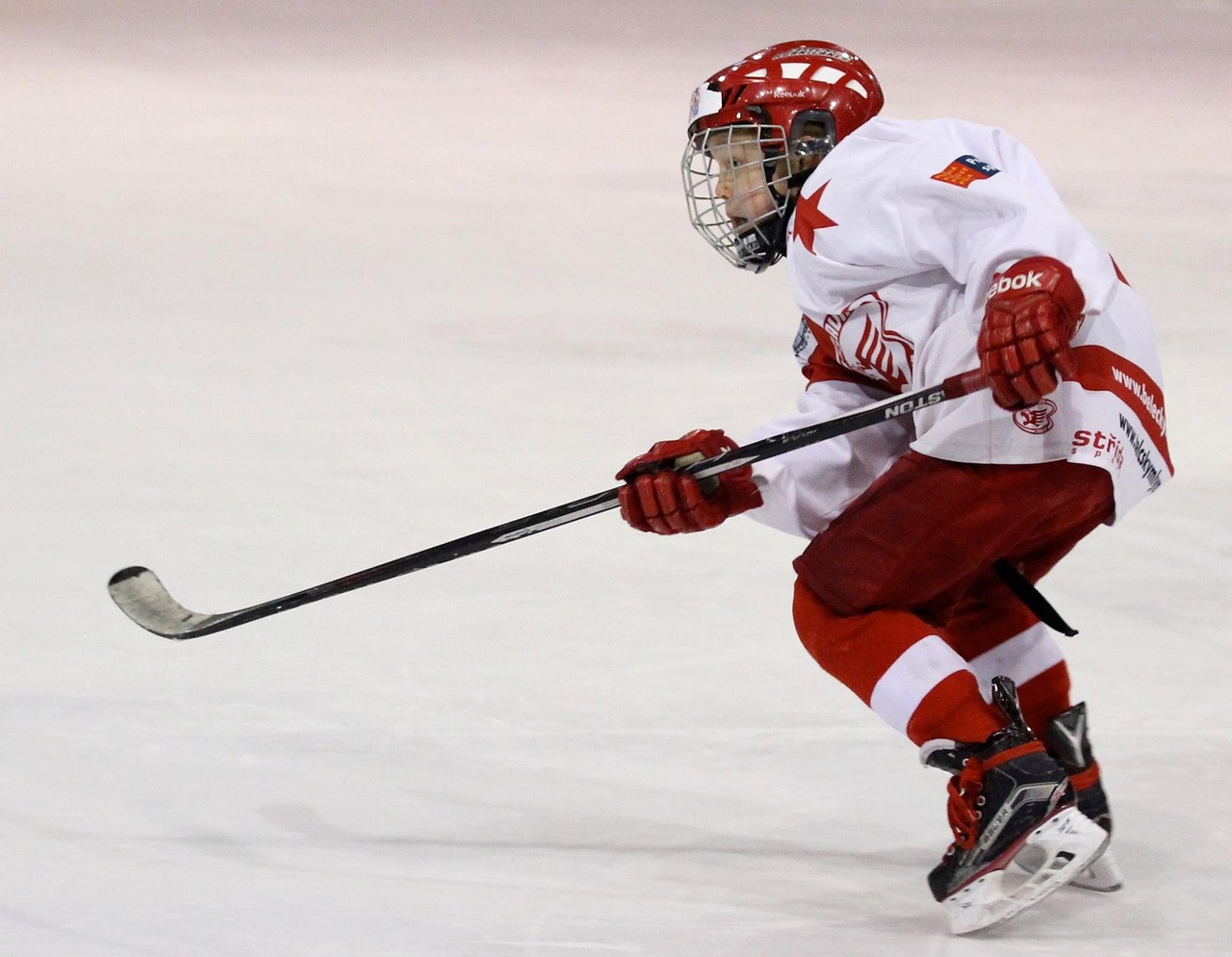
President Trump signed a series of proclamations Monday imposing 50% tariffs on a wide range of Canadian goods, from hockey sticks and wine to cement, electronics, and milk. The duties are set to take effect on August 19 and mark a significant escalation in trade tensions between the United States and Canada.
According to CBS News, the White House accused Canada of "unreasonable, unequal, and discriminatory actions" by imposing tariffs or import restrictions on certain American goods, some of which began after Trump's initial round of tariffs on Canada last year. The new levies cover Canadian beer, wine, liquor, and milk, as well as hockey equipment, honey, flower bulbs, down feathers, plywood, cowhides, and jewelry, among other items. Several key Canadian exports, including energy, potash, critical minerals, and fish, were spared.
The BBC reported that the duties apply to all covered goods regardless of whether they fall under the U.S.-Mexico-Canada Agreement. A senior administration official confirmed to reporters that goods flowing under the USMCA will not be exempt. That official also said the new tariffs do not mean the U.S. is entering a trade war with Canada, and that the Trump administration remains open to negotiations.
The tariffs were issued under Section 338 of the Tariff Act of 1930, which grants the president the authority to impose duties of up to 50% on any country that discriminates against U.S. commerce. The senior official acknowledged that Section 338 has not been used in this way before, but said the administration is confident it has the legal authority. Trump's ability to impose tariffs through a separate emergency powers law was constrained earlier this year after the Supreme Court ruled against that approach.
U.S. Trade Representative Jamieson Greer explained the administration's position in a statement. "While the Administration continues to secure fair and reciprocal trade deals with our trading partners, Canada, unlike other partners and allies, continues to retaliate against the United States for its efforts to rebalance trade and protect U.S. industry in national-security sensitive sectors," Greer said.
The three proclamations Trump signed on Monday listed specific U.S. trade grievances related to Canadian policies on cars, dairy, and alcohol. On automobiles, the White House accused Canada of charging a tax on U.S. motor vehicles and parts not covered under USMCA while not applying a similar charge to other countries. Canada's supply management system for dairy, which sets strict limits on foreign imports and charges tariffs of more than 300% on quantities that exceed those limits, has long been a point of contention for U.S. trade officials.
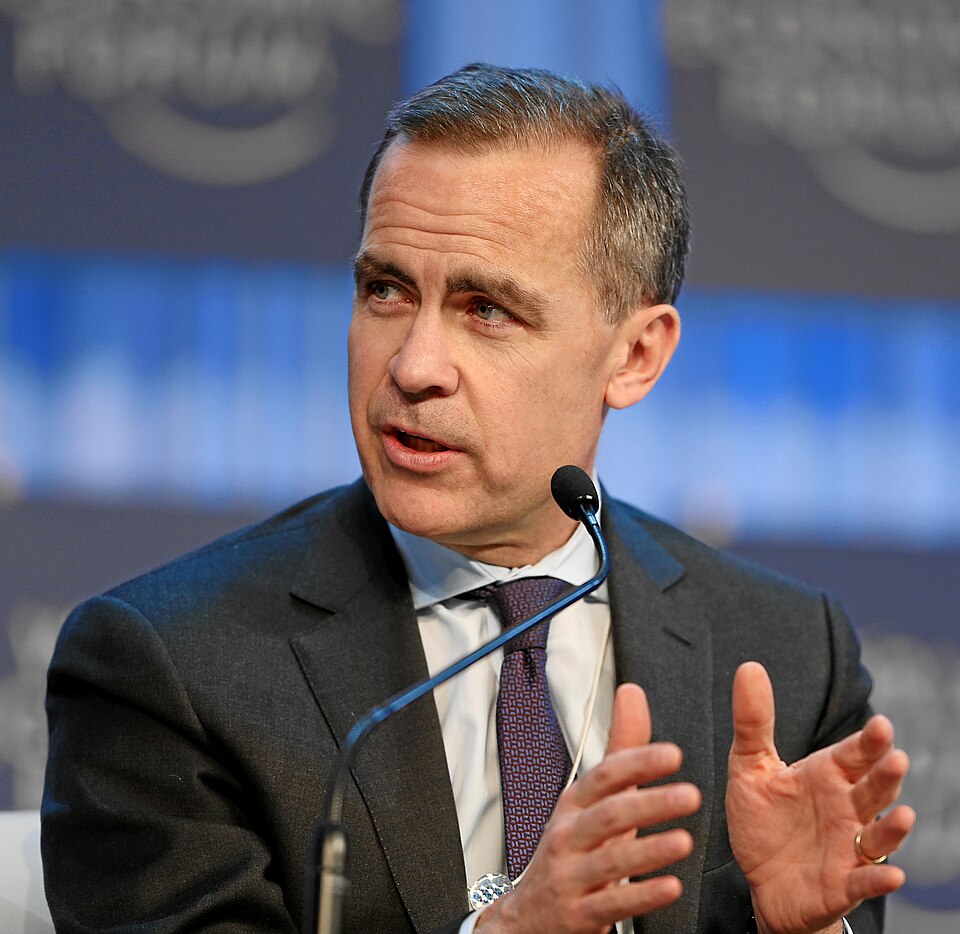
Canadian Prime Minister Mark Carney pushed back Monday. He argued that Canada's trade actions against the United States last year, including its auto tariffs, "merely matched" the Trump administration's tariffs, which Carney said violated the USMCA. He called the new duties "the latest in a series of unilateral US trade actions" and also cited what he described as threats to Canadian sovereignty, a possible reference to Trump's repeated suggestions that Canada could become the 51st U.S. state.
Carney said Canada is willing to negotiate and modernize the USMCA. He said the country stands ready to "intensify" trade talks with the U.S. in the coming weeks.
The existing trade relationship between the two countries was already strained before Monday. The U.S. has maintained active tariffs ranging from 15% to 50% on Canadian steel, aluminum, and copper, and charges a 35% tariff on Canadian softwood lumber alongside a 25% tax on non-U.S. parts in cars. Canada has its own 25% counter-tariff on selected American steel, aluminum, and vehicles.
The BBC noted that the new tariffs came in the wake of Trump's recent threats to impose duties over Canadian wildfire smoke drifting into U.S. cities, but there is no mention of wildfires in the executive orders Trump signed Monday.