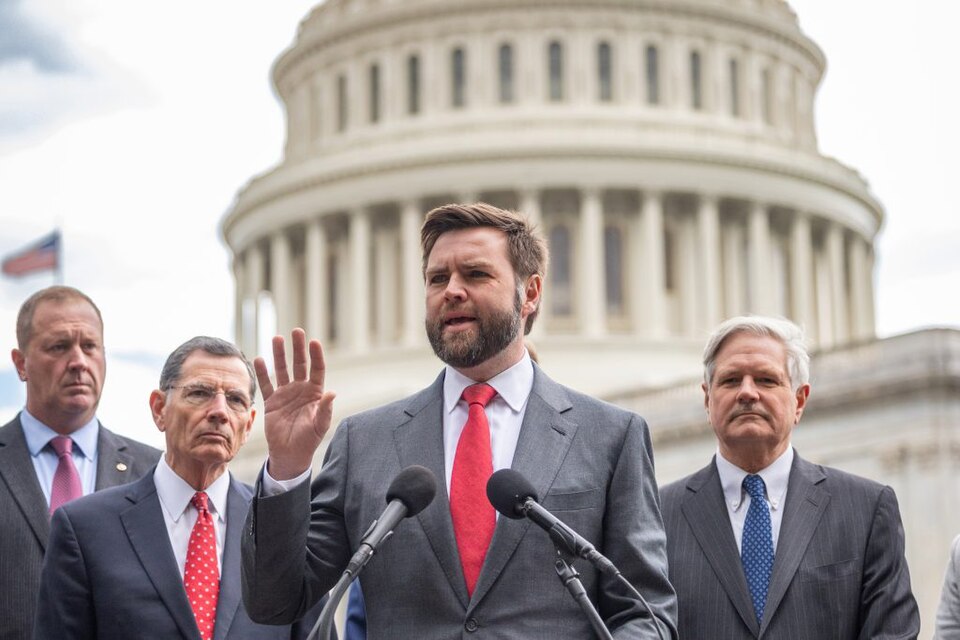
Vice President JD Vance pushed back Thursday on Iranian claims that a U.S. strike hit a wedding party, saying he was "extremely skeptical" the account was accurate. Iran said the strikes killed at least 18 people throughout the country.
When a reporter asked Vance whether the conflict would be over by November's midterm elections, he offered a pointed response. "I wouldn't call it a war," he said, according to CBS News.
A U.S. official confirmed to CBS News that no military facilities in the Middle East where American forces are based were affected after Iran claimed it had targeted U.S. troops in Kuwait and the United Arab Emirates in retaliation for the strikes. President Trump warned Wednesday that the U.S. was prepared to launch additional strikes on Iran "anytime we want," a day after what he called a "very heavy attack" on the Islamic Republic's military.
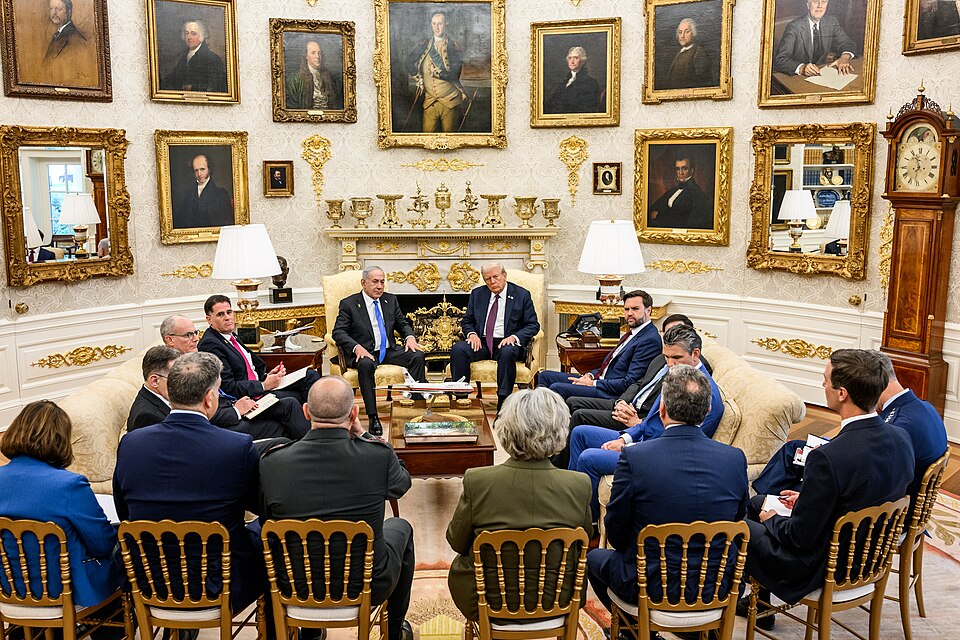
Israeli Prime Minister Benjamin Netanyahu voiced confidence Thursday that Iran's government could soon collapse. Speaking at an event with Israeli military leaders, Netanyahu said the regime was at its weakest point. "This regime is currently teetering. It is weaker than ever. It is fighting for its survival," he said.
Netanyahu went further, stating that toppling the government was within reach. "I am convinced that we can remove this threat once and for all, that is, to overthrow this regime. That is the central task that still lies ahead of us, but it is close. It is not impossible. It is within reach," he said.
Netanyahu's remarks came with Israeli general elections scheduled for October 27. Some polls show him trailing opposition candidates who have accused him of failing to adequately address the Iran threat.
On a separate front, Israel announced Thursday the release of five civilians captured in southern Lebanon, where Israeli forces are at war with the Iranian-backed Hezbollah group. Lebanon's army confirmed it had received one man, handed over through the International Committee of the Red Cross. Netanyahu's office said the decision to release the detainees followed an investigation that found they were civilians with no ties to terrorism, and came after efforts to locate the remains of Jewish Lebanese community leaders abducted and killed during Lebanon's civil war in the 1980s.