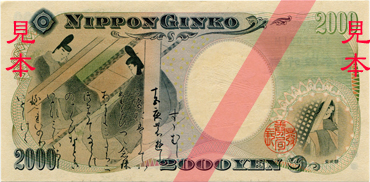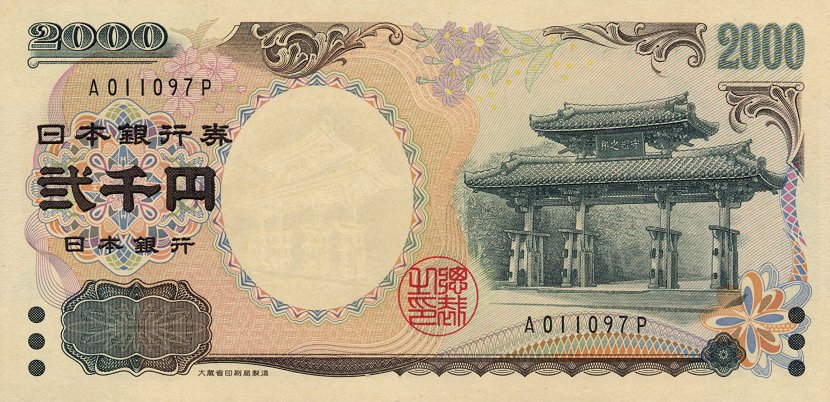
The Japanese yen dropped past 163 per dollar for the first time in four decades, extending a decline that is putting increasing pressure on Japanese authorities to act.
According to Bloomberg, the yen fell as much as 0.5% overnight, reaching 163.24 per dollar before stabilizing around 163.12. The last time the currency traded at that level was 1986.
The move came as the U.S. dollar strengthened alongside rising Treasury yields. The catalyst was renewed tensions in the U.S.-Iran conflict, which drove oil prices higher and pushed investors toward dollar-denominated assets.
Japan's Finance Minister Satsuki Katayama responded to the slide by reiterating that authorities have the ability to take action. She said officials can take "bold steps" any time as needed. That phrasing echoes language Japanese authorities have used at previous points of yen weakness, though the currency has continued to decline despite repeated warnings.
The yen has been under sustained pressure throughout 2026 as the gap between U.S. and Japanese interest rates has kept the dollar attractive relative to the yen. While the U.S. Federal Reserve has kept rates elevated, the Bank of Japan has moved far more slowly in raising its own benchmark rate, leaving a wide spread that has consistently favored dollar holders.
The yen's weakness creates competing pressures inside Japan. A weaker currency raises the cost of imports, including energy and food, squeezing consumers and businesses that rely on foreign goods. At the same time, it provides a boost to Japan's large export sector, making Japanese products cheaper for foreign buyers.
Currency traders and analysts are watching closely to see whether Japanese authorities move from verbal warnings to direct intervention in the foreign exchange market, as they have done at previous points of sharp yen depreciation.