

The Odyssey opened to nearly $265 million globally in its first weekend, the best opening of Christopher Nolan's career. Analysts now project the film has the runway to gross $1 billion worldwide, which would make it Nolan's third movie to reach that milestone.
According to Variety, the opening has effectively settled a debate that was already leaning one way: Nolan is now Hollywood's most commercially powerful director. He joins a short list of filmmakers considered events unto themselves, including Quentin Tarantino, Ryan Coogler, Greta Gerwig, and James Cameron. But no one on that list just put up numbers like these.
"The Odyssey has invited people back to a theatrical experience which had been hobbled since the pandemic," said Jason E. Squire, professor emeritus at USC School of Cinematic Arts. "This is an extraordinary creative and commercial victory for Nolan and Universal Pictures."
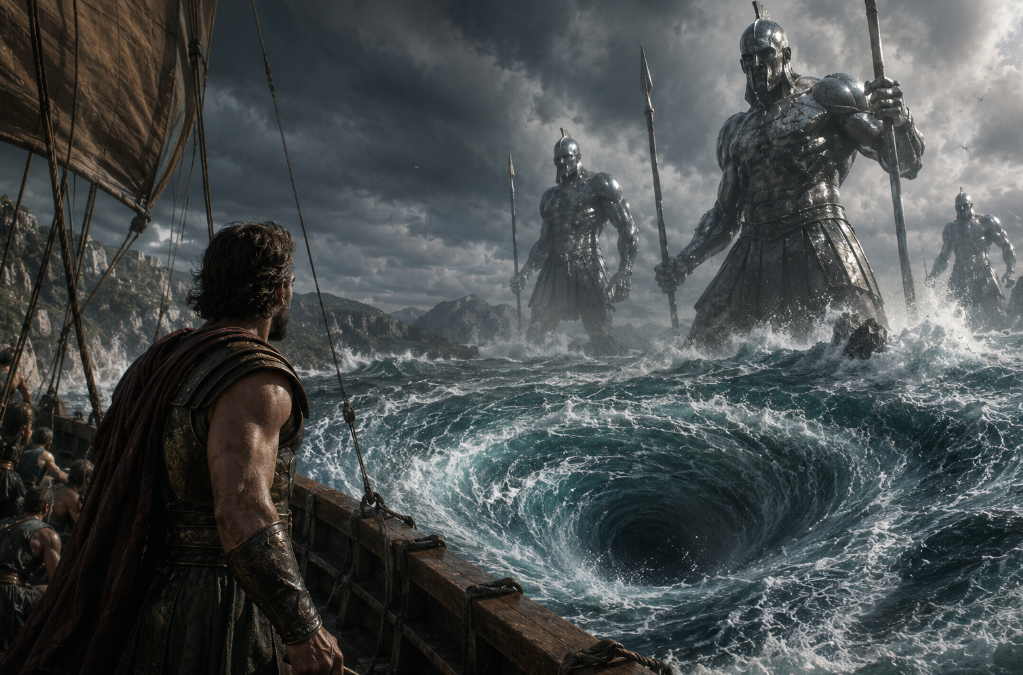
The film stars Matt Damon as Odysseus and draws from Greek mythology, following the hero's journey home after the Siege of Troy. Nolan's adaptation includes nine mythological figures, among them Charybdis, the sea-swallowing monster rendered in the film as a massive natural phenomenon rather than a literal creature, and the Laestrygonians, a race of giant silver warriors who kill two-thirds of Odysseus' crew in the film's most heavily marketed action sequence. According to Collider, critics and audiences have responded warmly despite some online controversy before release.
The film's success also spotlights Donna Langley, NBCUniversal's entertainment and studios chairman, who pulled Nolan away from Warner Bros. five years ago. In 2021, she fended off Sony Pictures, Paramount, and Apple Studios to win Nolan's unexpected blockbuster Oppenheimer. The Odyssey is now the second consecutive massive hit she has delivered with him.
The backstory between Nolan and Warner Bros. is central to understanding why that partnership matters. Nolan spent nearly 20 years at Warner Bros., making nine of his 13 films there. The break came in 2021 when the studio, then under CEO Jason Kilar, decided to release its entire film slate simultaneously on HBO Max and in theaters during the COVID-19 pandemic. That decision directly affected Nolan's time-traveling action film Tenet, starring John David Washington and Robert Pattinson. For a filmmaker whose brand is built entirely around the theatrical experience, it was an unforgivable move.
Squire, who also hosts The Movie Business Podcast, put the financial stakes plainly. "You may think it's an easy approval process to move forward with any Nolan movie, but it's an enormous financial commitment. A $250 million budget, another $100 million at least for marketing? There is no guarantee of profitability, and that's the intriguing and seductive gamble for movie executives."
That gamble has now paid off twice in a row. The Odyssey has also landed in this year's Oscar race, disrupting what had been building as a front-runner narrative around Amazon MGM's Project Hail Mary as the populist choice for best picture.
The film's opening weekend figure of $265 million is not just a career peak for Nolan. It is a statement about what theatrical filmmaking can still do, at a moment when the industry continues to debate whether big-screen releases can hold their own against streaming.