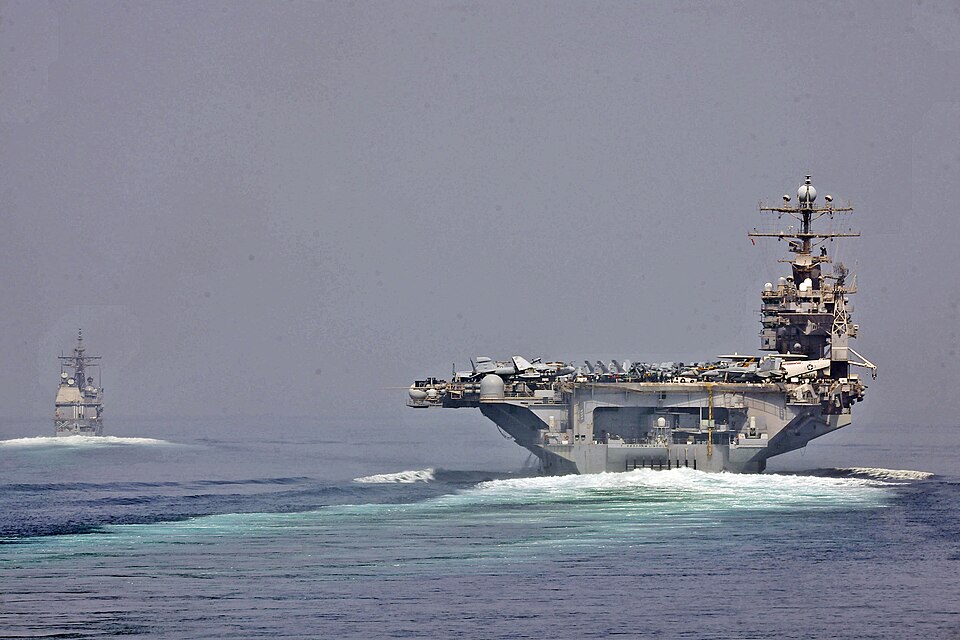
The U.S. war on Iran has cost $37.5 billion so far, and the Pentagon is asking Congress for nearly double that amount to keep fighting. Defense Secretary Pete Hegseth delivered the figure Tuesday before the Senate Appropriations Committee, where he faced pointed questions from both Republican and Democratic senators about a conflict Washington had previously claimed to have won.
The number is significantly higher than the $25 billion estimate the Defense Department gave the Senate in April, during what the military called Operation Epic Fury. Independent estimates cited by Al Jazeera put costs at roughly $1 billion a day, reaching more than $100 billion by mid-July, though the Trump administration has not provided detailed breakdowns.
"Secretary Hegseth, despite your failure to win this war, you are back now before Congress asking for almost $70bn in additional funding," Democratic Senator Gary Peters said during the hearing. "You are asking the American people for a blank cheque." Republican Senator John Kennedy added: "We need straight answers."
At least 18 U.S. service members have been killed since the war began on February 28. About 500 have been wounded. The Pentagon identified four soldiers killed between Friday and Sunday, including one killed in an Iranian attack on an air base in Jordan and another killed in Iraq during the destruction of a downed drone. President Trump is set to attend a dignified transfer Wednesday at Dover Air Force Base in Delaware for service members killed in recent days.
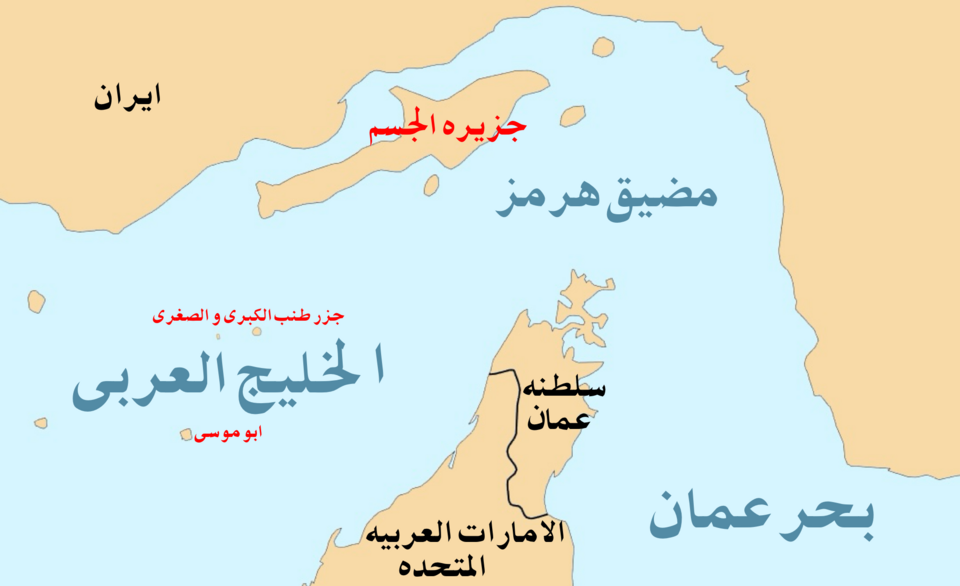
Iran has continued attacking ships in the Strait of Hormuz. U.S. Central Command said Tuesday that Iran had attacked more than 30 commercial ships transiting the strait over the past three months. The U.S. military insists the waterway remains open. Oil prices have climbed back near $95 a barrel over the past two weeks, according to CBS News, as Iran's Houthi allies also threaten the Bab el-Mandeb strait, the region's other major shipping gateway.
Trump escalated his warnings Wednesday. In a post on Truth Social, he said the U.S. would target Iranian infrastructure if attacks on ships continue. "From this point forward, any time the Islamic Republic of Iran shoots at a ship in the Strait of Hormuz, whether it be by Missile, Rocket, Drone, or any other device or weapon, the United States will bomb and destroy ONE BRIDGE OR POWER PLANT, including those located next to, or in, the Capital City of Tehran," he wrote. Iran's semi-official Tasnim news agency, which is close to the Islamic Revolutionary Guard Corps, reported a U.S. missile strike hit the Iranian island of Larak in the Strait of Hormuz on Wednesday.
Separately, the U.S. and Saudi Arabia reached a commercial agreement Wednesday for American companies to operate nuclear power on Saudi soil. The deal, which a regional official described to CBS News, would have U.S. corporations running, not transferring, nuclear power for Saudi use, including to support AI data centers. The deal may also allow Saudi Arabia to enrich its own nuclear fuel. The corporations involved were not disclosed. The Wall Street Journal first reported the agreement. Congress would need to be consulted.
A June ceasefire agreement between Washington and Tehran has broken down. Secretary of State Marco Rubio said the U.S. remains open to negotiations but warned of further consequences if Iran does not engage seriously, according to multiple reports.