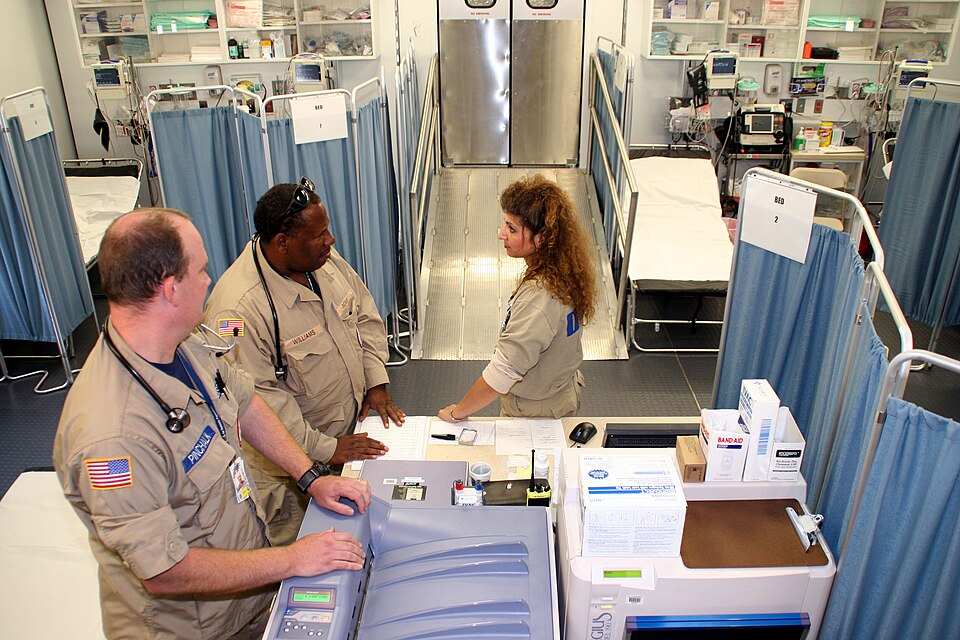
People without health insurance, or who fail to present insurance when they arrive, are visiting emergency departments at Virginia hospitals more often, according to a report by InsuranceNewsNet.
The increase raises questions about access to primary and preventive care in the state. Emergency departments are required by federal law to treat patients regardless of their ability to pay or insurance status, making them a fallback option for people who lack a regular source of medical care. When patients use emergency departments for conditions that could be managed in a primary care setting, it places additional strain on hospital resources and typically results in higher costs for both the patient and the health system.
The pattern of uninsured patients turning to emergency rooms for care is not new, but an increase in the frequency of those visits suggests that gaps in coverage or access to other care options may be widening in Virginia. Uninsured rates and emergency department utilization are often tracked together as indicators of how well a state's healthcare system is reaching its population.
Virginia expanded Medicaid eligibility in 2019, which extended coverage to hundreds of thousands of low-income residents. Despite that expansion, a segment of the population remains uninsured. That group includes people who do not qualify for Medicaid, cannot afford marketplace insurance plans, or are unaware of coverage options available to them.
The data reported by InsuranceNewsNet did not break down the reasons patients lacked insurance or specify which hospitals or regions of Virginia saw the sharpest increases. It also noted visits by patients who fail to present insurance, a category that can include people who have coverage but do not bring documentation, as well as people who are uninsured.
Emergency department overcrowding has been an ongoing challenge for hospitals nationally. When uninsured patients make up a growing share of ED visits, hospitals absorb costs that are not reimbursed, which can affect staffing and operational decisions over time.