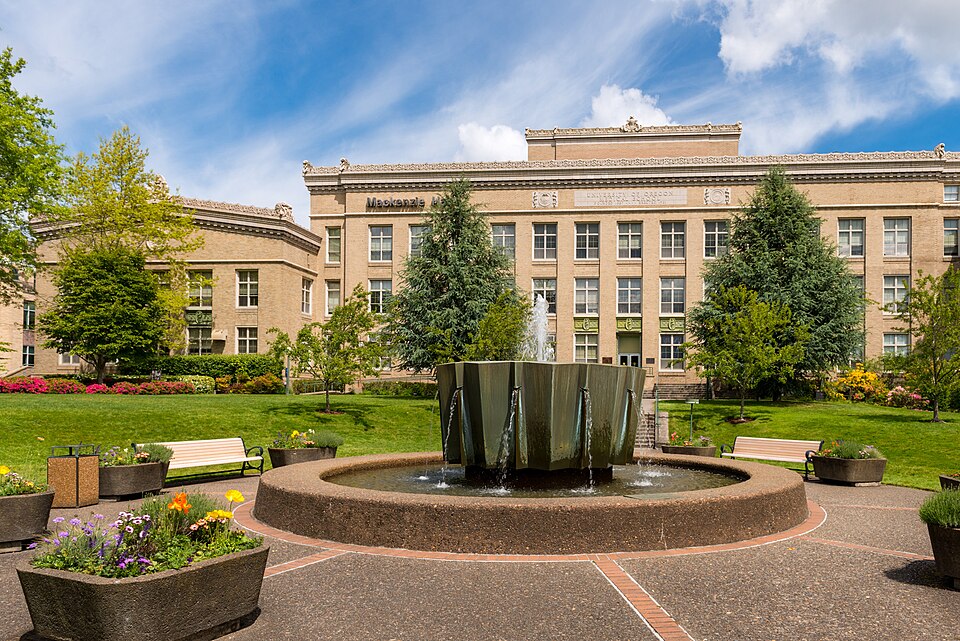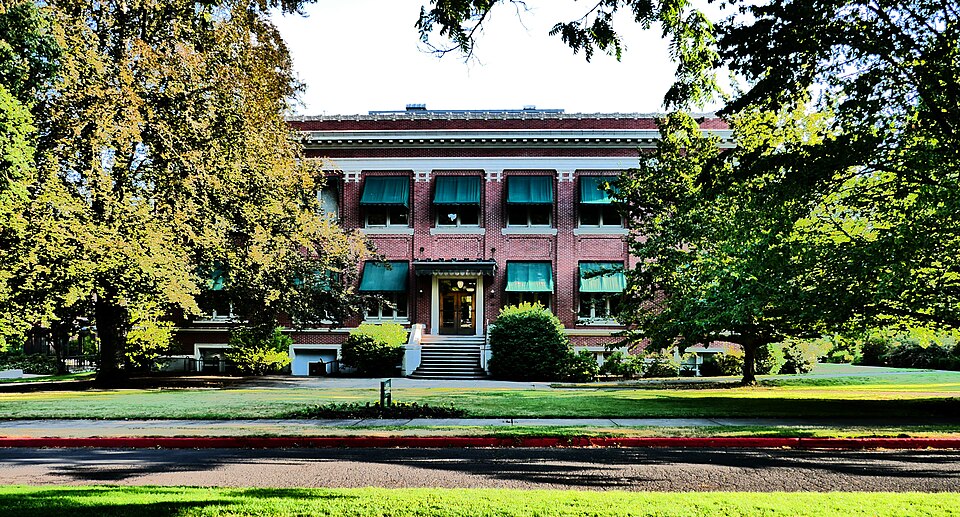
The University of Oregon's Ballmer Institute has graduated its first class of students trained specifically to work as mental health support staff in schools, marking an early test of a workforce model aimed at addressing shortages in youth mental health services.
According to a report by OregonLive.com, the graduation represents the completion of the institute's inaugural cohort, which went through a program built around placing workers inside K-12 schools rather than in traditional clinical settings. The Ballmer Institute was established with a major gift from philanthropist Steve Ballmer and his wife Connie, and its model centers on training a new category of school-based mental health workers who are distinct from licensed therapists or school counselors.
The youth mental health crisis in the United States has drawn growing attention from public health researchers, school administrators, and policymakers over the past several years. Rates of anxiety, depression, and other mental health conditions among children and adolescents have climbed, and access to services remains limited in many communities. A shortage of trained workers is one of the central barriers to expanding care.
The Ballmer Institute's approach attempts to address that gap by creating a workforce pipeline directly tied to schools. Students in the program receive training focused on early intervention and support, rather than clinical diagnosis and treatment. The idea is to have workers present in school buildings where young people already are, reducing barriers that prevent many students from seeking or receiving help.
The first graduating class completed the program as an early pilot, meaning the institute and its partners will be watching closely to see how graduates perform in the field and whether the model can be expanded. Officials have described the effort as a test case for what a school-based mental health workforce could look like at scale.
Oregon has faced particular challenges around youth mental health access, including in rural areas where licensed providers are scarce. The Ballmer Institute's model does not require graduates to hold clinical licenses, which shortens the training timeline and could allow more workers to enter the field more quickly than traditional licensure pathways permit.
The graduates are expected to move into positions working with students in Oregon schools. How well the model holds up over time, and whether it produces measurable improvements in student outcomes, will be central questions as the institute evaluates its first cohort in the field.