Doctors treating measles patients are speaking out about what they are witnessing in clinics and hospitals as cases of the disease rise across the United States. Their accounts describe children in serious distress from an illness that largely disappeared from American life after a vaccine was introduced decades ago.
According to a report by KFF Health News, physicians on the front lines of the measles comeback are describing scenes that many younger doctors have never encountered before in their careers. The headline quote from one of those doctors captures the situation directly: "The child is terrified."
Measles was declared eliminated in the United States in 2000, meaning the country had stopped the continuous spread of the disease. That status was the result of decades of widespread childhood vaccination. The current resurgence has brought the disease back into emergency rooms and pediatric wards, confronting a generation of medical professionals who trained during a period when measles was essentially absent.
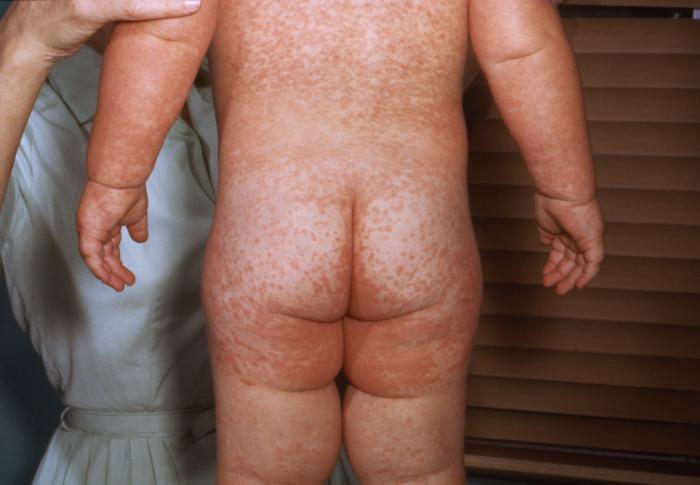
The disease is among the most contagious known to medicine. It spreads through the air and can remain infectious in a room for up to two hours after an infected person has left. Symptoms begin with high fever, cough, runny nose, and red eyes before a distinctive rash appears. Complications can include pneumonia, brain swelling, and death.
Doctors speaking to KFF Health News conveyed the severity of what they are seeing in their patients. The language they used reflects not just clinical concern but a visible emotional toll on the children being treated. A child described as terrified is not an abstraction; it is a description of what happens in an exam room or hospital bed when a young patient is seriously ill.
The measles, mumps, and rubella vaccine, known as the MMR vaccine, is highly effective. Two doses provide roughly 97 percent protection against measles. Public health officials have pointed to declining vaccination rates in certain communities as a driving factor behind the current resurgence.
The return of measles has placed particular pressure on physicians who feel they are treating a preventable disease. Doctors who spoke to KFF Health News are on the front lines of that reality, seeing patients who would not be ill if vaccination rates had held.
The outbreak has unfolded against a broader national conversation about vaccine policy, with some communities showing significantly lower immunization coverage than public health recommendations call for. Physicians treating active cases have been among the most direct voices describing the consequences.