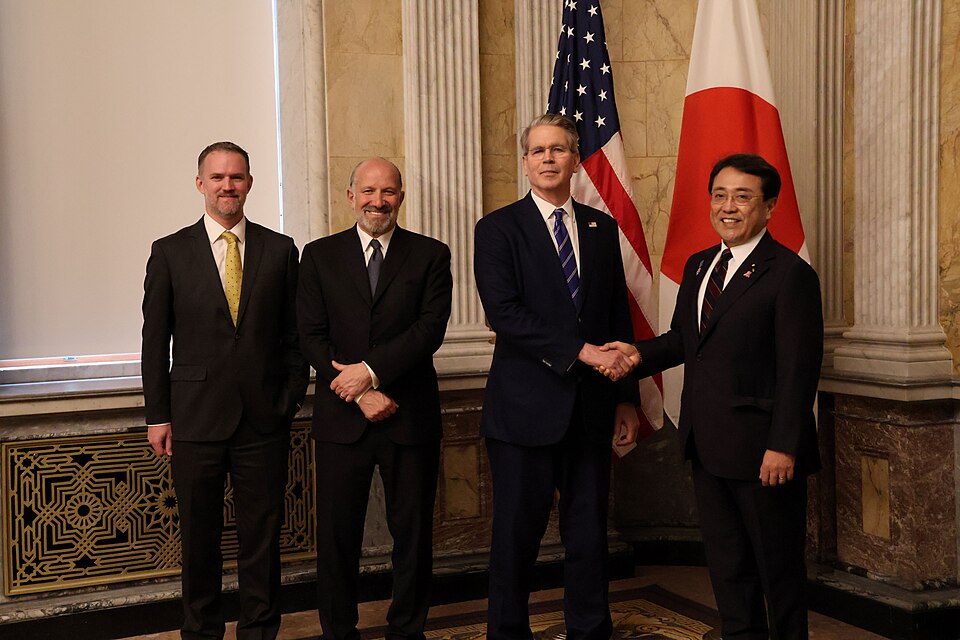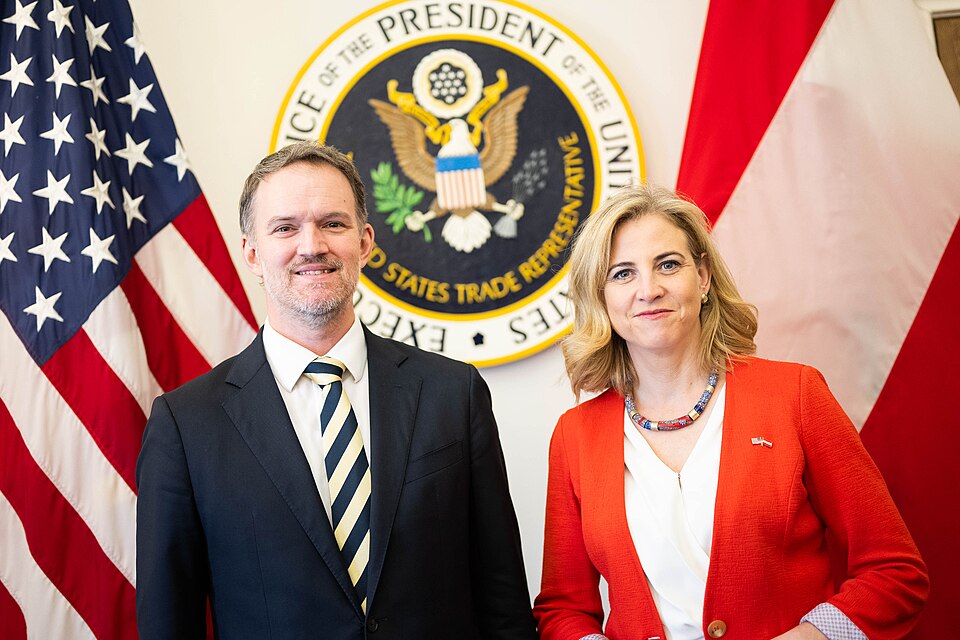
The United States began imposing new tariffs Friday on roughly 60 trading partners, covering nearly all US imports, over claims those countries failed to stop goods made with forced labor from reaching American shores. The duties range from 10% to 12.5% and hit major partners including the European Union, the United Kingdom, China, Canada, Japan, and India.
US Trade Representative Jamieson Greer announced Thursday that the tariffs would take effect the next day. According to BBC News, Greer invoked Section 301 of the Trade Act of 1974, which governs US trade enforcement of practices that burden or restrict American commerce. "Today's action will begin to correct what is both a human rights abuse and distortive trade practice to improve the welfare of workers everywhere," his statement said.
The new round of tariffs arrives as a temporary 10% global tariff, put in place earlier this year, was set to expire at 12:01 a.m. ET Friday. That earlier levy had been imposed within hours of a Supreme Court ruling in February that found many of Trump's emergency-power tariffs were illegally enacted. The 150-day maximum on that stopgap measure lapsed Friday.
The Office of the US Trade Representative said the new duties apply to the top 60 US trade partners, covering 99.4% of US imports. Countries are divided into two tiers based on whether they have committed to banning imports made with forced labor. Trading partners that have made such commitments face a 10% tariff. Those that have not face the higher 12.5% rate.
According to ABC News, 17 countries fall into the lower tier, including Argentina, Bangladesh, Cambodia, Canada, Ecuador, El Salvador, Guatemala, Honduras, India, Indonesia, Jordan, Malaysia, Mexico, Pakistan, Sri Lanka, the United Kingdom, and Trinidad and Tobago. The EU and Taiwan also carry the 10% rate. The remaining 41 countries, which include China, Japan, Australia, Brazil, Russia, South Korea, and Vietnam, face 12.5%.
Greer said he was "encouraged by the trading partners who have moved quickly to adopt forced labour import prohibitions, and look forward to ensuring their effective enforcement." The White House Office of the US Trade Representative said Trump in his second term had made adoption of a ban on forced labor imports a critical part of reciprocal trade agreements with other nations. So far, 10 trading partners had agreed to enact such a ban within those agreements.
The measure closely resembles a proposal the Trump administration first issued in June. Earlier this week, the administration also invoked Section 338 of the Tariff Act of 1930 to impose 50% tariffs on products from Canada, a separate action from the forced labor duties.
Importers typically offset the cost of tariffs through higher prices for consumers. ABC News reported that investment bank Macquarie had previously noted that a series of exemptions would significantly ease the measure's impact, though the new levy still risks elevated costs for some household goods.