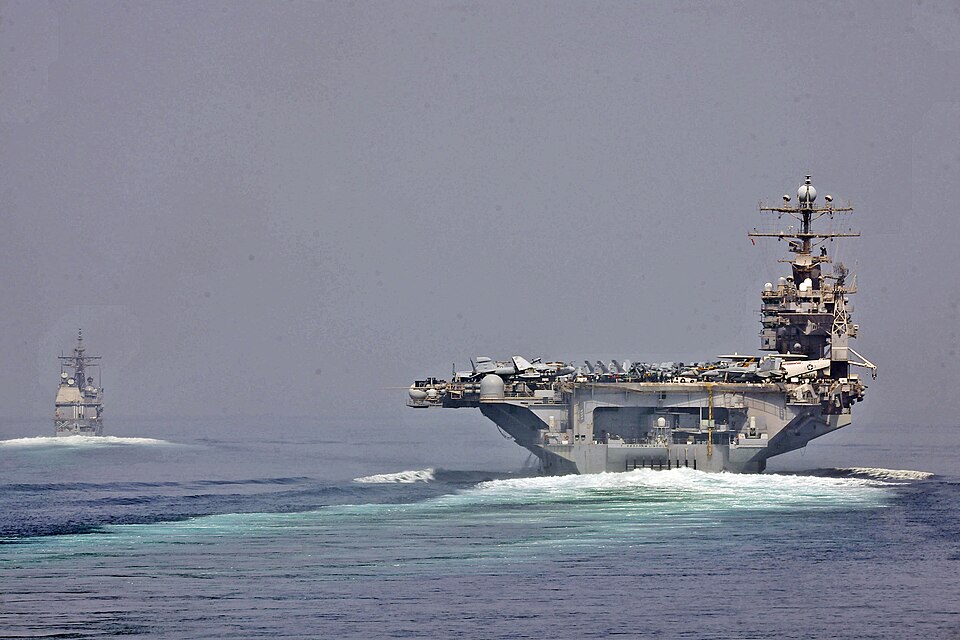
Crude oil prices surged sharply on Wednesday after President Donald Trump threatened military retaliation against Iran following a ballistic missile attack on American forces in the Middle East.
Brent crude futures, the international benchmark, gained about 6.5% to $89.52 a barrel. U.S. West Texas Intermediate futures advanced about 6.3% to $84.26. The moves came after Iran's Islamic Revolutionary Guard Corps launched ballistic missiles at a U.S. base in Jordan, according to a report by CNBC citing Axios. U.S. Central Command said the missiles were successfully intercepted.
Trump told Fox News that Iran "is going to get a beating" after the attack. "We'll be hitting them hard," the president said.
The attack shattered what had been a brief lull in hostilities. Oil futures had sold off earlier in the week as the conflict appeared to be moving toward de-escalation. The reversal on Wednesday was swift and significant.
U.S. and Saudi forces had already struck what Centcom described as "multiple terrorist logistics and weapons sites" in eastern Iraq on Tuesday. That action was described as retaliation for more than 30 drone attacks over the past three days by what Centcom called "Iran-aligned terrorists."
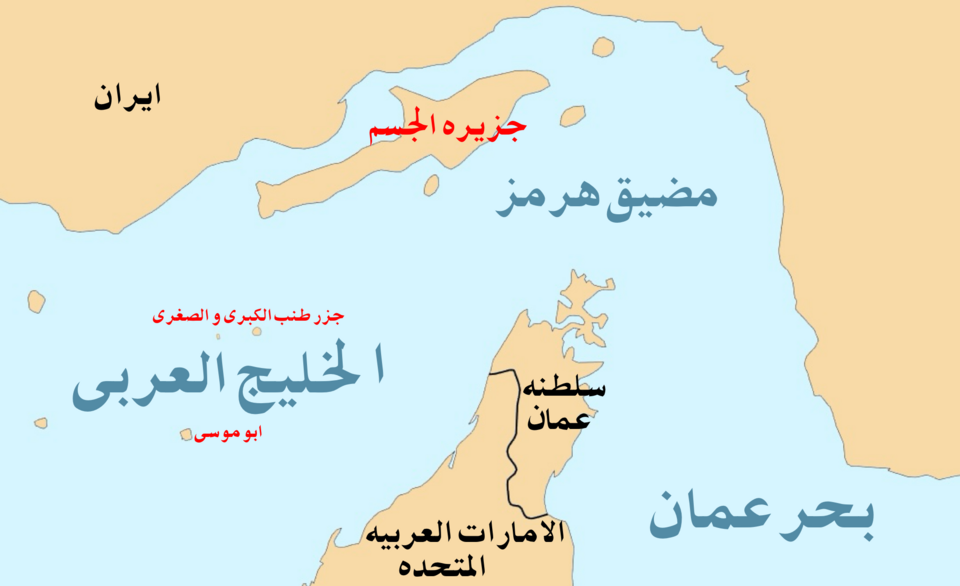
The broader concern for oil markets centers on two critical chokepoints for global energy supply: the Strait of Hormuz and the southern Red Sea. Iran and its Houthi allies in Yemen have been working to control maritime traffic through both waterways. Iran has repeatedly attacked oil tankers transiting the Strait of Hormuz this month. The Houthis declared a maritime embargo against Saudi Arabia last week and fired on two tankers in the Red Sea.
Helima Croft, head of commodity strategy at RBC Capital Markets, addressed the situation in a note to clients on Tuesday. "We remain exceedingly skeptical that we are on the brink of a major diplomatic breakthrough that will resolve the nuclear standoff that started the war five months ago or enable the normalization of maritime traffic," Croft wrote.
She added that the threat environment for shipping remains severe. "We continue to maintain that the ongoing threat of missiles, mines, drones, and Tehran tolls will keep a significant portion of the shipping market on the sidelines," Croft wrote.
The conflict has now stretched five months, with no resolution in sight on the nuclear standoff that triggered it. Wednesday's missile attack and Trump's public threat of retaliation suggest the situation is moving further from any diplomatic off-ramp, not closer to one.