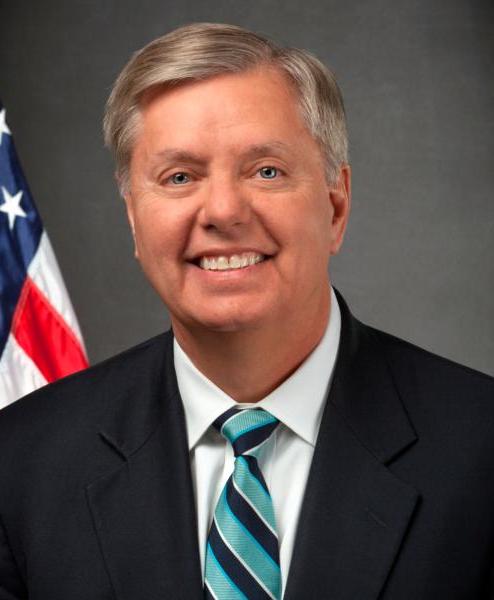
The Senate moved another step closer to passing a sweeping sanctions package targeting Russia and Iran, a bill now named after the late Sen. Lindsey Graham of South Carolina, who championed the legislation before his death.
According to Fox News, the upper chamber has not yet taken a final vote, but the latest procedural advance came in a large, bipartisan vote. Senate leaders hope to complete work on the package, formally called the Lindsey O. Graham Sanctioning Russia and Iran Act, by next week. After that, the bill would wait for the House to return from its August recess before any final action.
Graham made his last trip home to South Carolina on Wednesday for his funeral. Colleagues on both sides of the aisle described the push to pass the bill as a way to honor his legacy.
Sen. Roger Wicker, R-Miss., offered a direct assessment of the legislation's place in Graham's career. "This may turn out to be Lindsey Graham's greatest legislative achievement in a stellar 32-year career," Wicker said.
The bill's core focus is applying economic pressure on Russia in its ongoing war against Ukraine. Key provisions include tariffs of up to 500% on Russian imports and tariffs of up to 100% on countries that continue buying Russian energy, a category that includes China and India. The legislation also gives President Donald Trump flexibility over when to activate or suspend parts of the sanctions regime.
That flexibility gave some Democrats pause. Ukrainian President Volodymyr Zelenskyy, who was a close ally of Graham's, was brought in to help persuade Democratic skeptics to support the package.
Sen. Jeanne Shaheen, D-N.H., acknowledged the concern directly from the Senate floor. "They say that President Trump has used tariffs indiscriminately to target our closest allies. Well, I agree," Shaheen said. "But, in the case of this bill, Congress is explicitly directing these tariffs for one unambiguous purpose: to increase the pressure on Vladimir Putin and end his unprovoked war against Ukraine. That's why this bill is narrowly targeted at the worst actors supporting Russia."
The bill also reinserts sanctions on Iran's weapons and energy sectors, a provision aimed at pushing toward a broader peace agreement in the Middle East. That element had been removed in earlier versions of the legislation before being added back.
The Senate is expected to try to finish its work on the bill before lawmakers leave for recess. If it passes, the legislation then goes to the House, which does not return until after August.