

Senate leaders have unveiled a short-term spending bill that would keep the federal government funded past the midterm elections and into early December. The move comes two months before the end of the fiscal year on September 30, which is unusually early for this kind of action.
The bill would generally fund the federal government at current levels through December 11. According to ABC News, the Senate is expected to vote on the measure before leaving Washington for its traditional August recess at week's end.
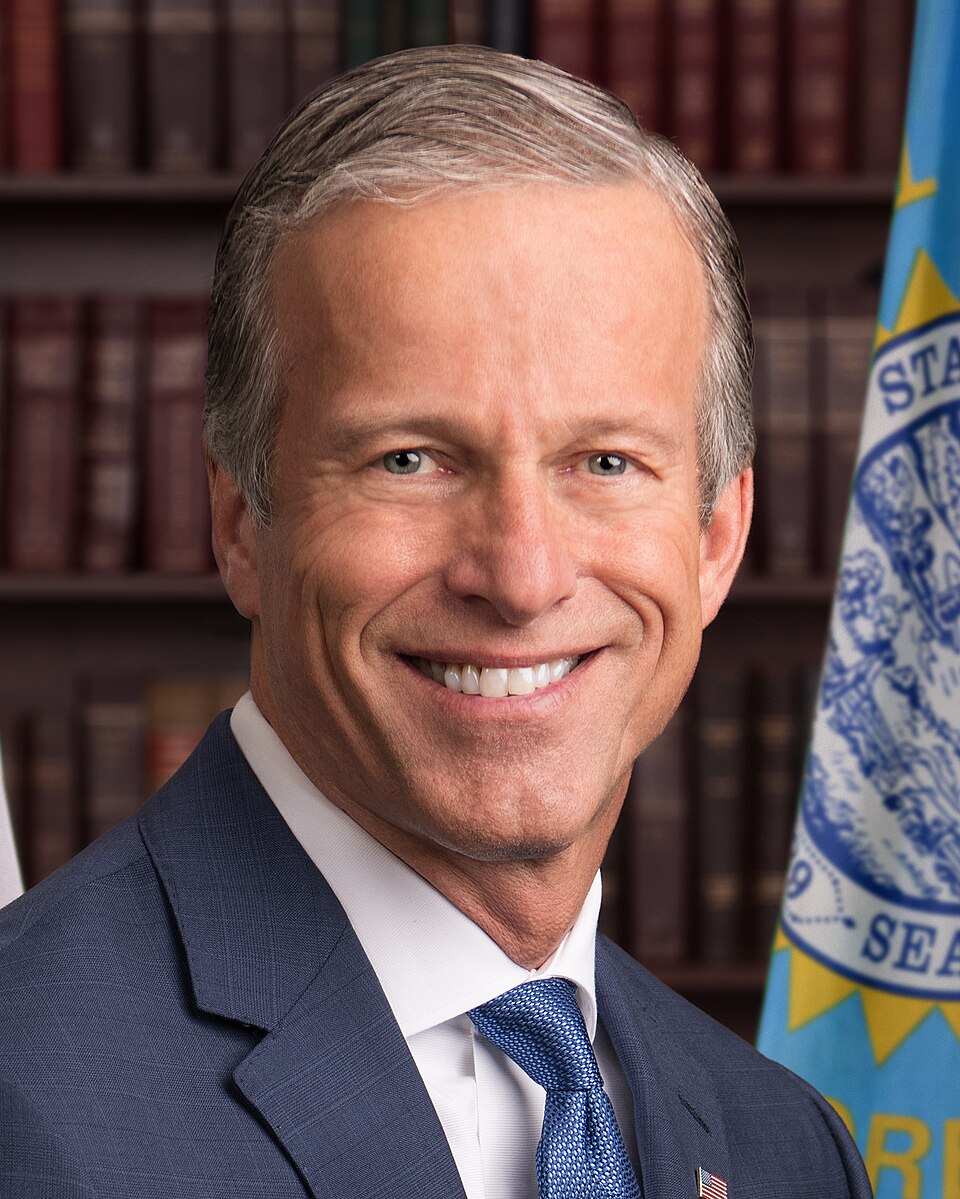
Senate Majority Leader John Thune called passing the bill his top priority heading into the recess. He pointed to two record-breaking government shutdowns over the past 10 months as reason to act now. "We need to ensure that they do not face a third," Thune said.
The House passed a similar measure, but it did not include several exceptions the White House had requested. Senators spent recent days negotiating which exceptions to keep. One provision that did not survive was a White House request for $1 billion to build what the administration called "Trump-class" battleships.
Democrats said they secured language that will prevent the administration from transferring funds from other programs to the Border Patrol. That was described as a major difference from the House version of the bill.
The short-term extension is necessary because Congress has failed to pass the dozen annual appropriations bills before the September 30 deadline. The additional months of funding would give lawmakers time to work out their differences on a full-year budget.
Those differences are significant. Republicans are pushing for a 44% increase in defense spending while cutting non-defense programs by roughly 10%, in line with a proposal from President Trump. Democrats have opposed those cuts.
The urgency around avoiding a shutdown before voters go to the polls reflects polling that showed neither party escaped blame for last fall's 43-day shutdown, the longest on record. A second spending standoff, over funding for the Department of Homeland Security, took 76 days to resolve.
The August recess will last several weeks, giving many lawmakers time to campaign in their home states and districts ahead of the midterm elections. The December 11 funding deadline will arrive shortly after voters cast their ballots, setting up another potential budget fight during the lame-duck period.