Hundreds of thousands of people marched across France on Saturday, October 31, 2026, in a third consecutive weekend of demonstrations over rising living costs, education and public services. Most marches remained peaceful, but clashes broke out between police and groups of protesters in Paris, Marseille, Lyon and other cities.
France's Interior Ministry estimated that 320,000 people participated nationwide, including approximately 70,000 in Paris. Organizers disputed those figures, claiming nearly 500,000 people joined the demonstrations, including 200,000 in the capital.
By Saturday evening, authorities reported more than 560 arrests across the country. Police used tear gas and other crowd-control measures during confrontations that followed largely peaceful afternoon marches.
The demonstrations continued a wave of youth-led protests that began earlier in October. What started with complaints about conditions in schools and universities has expanded into a broader movement challenging government policies and the rising cost of everyday life.
Paris Protest Draws Thousands in Halloween Costumes
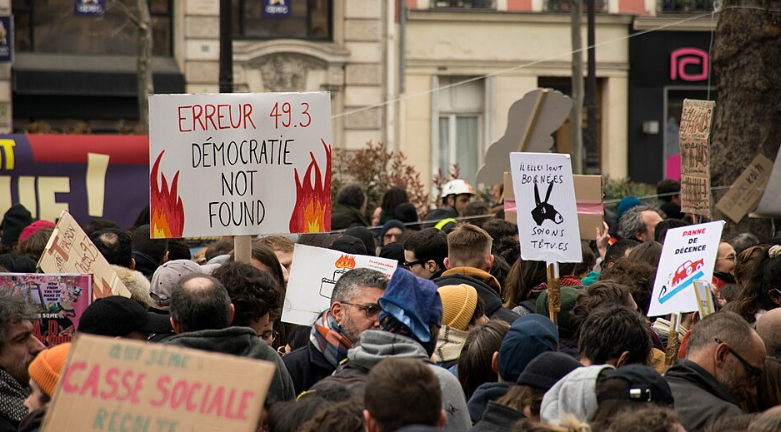
The Paris demonstration attracted tens of thousands of participants, including people dressed in Halloween costumes. Some wore outfits inspired by Spider-Man and Frankenstein, while others carried French flags and signs criticizing government policies.
Marchers traveled through eastern Paris, following a route between Porte de Bagnolet and Porte de Charenton. Authorities had directed the demonstration away from central districts as part of efforts to reduce the risk of serious disturbances.
A police helicopter monitored the gathering from above, while officers maintained a visible presence along the route.
Many protesters danced, played music and displayed banners calling for affordable housing, improved education and an end to police violence.
One demonstrator, Aurélie Herrmann, who traveled from Lille, said she wanted to show that public demonstrations could remain peaceful. Her participation reflected the determination of many marchers to distinguish their demands from the violent incidents associated with previous weekends.
Some participants used Halloween-themed messages to express frustration over their economic prospects. Their signs connected fears about the future with the holiday's costumes and imagery.
The atmosphere changed toward the end of the demonstration when confrontations developed near Porte de Charenton.
Masked individuals threw objects at officers, and some people set fire to street furniture and rubbish bins. Police responded with tear gas and moved to disperse groups that remained in the area.
The clashes did not represent the behavior of the entire crowd. The main procession had proceeded largely peacefully before violence broke out during the dispersal.
Violence Erupts in Marseille, Lyon and Other Cities
In Marseille, approximately 10,000 people participated in the demonstration, according to local authorities. The march took place without formal authorization but was initially peaceful.
Tensions increased after the procession ended. Police used tear gas and crowd-control grenades as confrontations developed between officers and groups of demonstrators.
In Lyon, authorities estimated attendance at approximately 19,000 people. Some demonstrators threw projectiles at police, who responded with tear gas and other measures.
Police also restricted access to parts of central Lyon, including the Presqu'île district. Officers conducted identity checks and controlled movement across bridges connecting the area to surrounding neighborhoods.
Local officials reported that a demonstrator suffered a minor leg injury and was taken to a hospital.
Toulouse also experienced disorder when police used water cannons against an unauthorized demonstration involving several thousand people.
Other cities, including Bordeaux, Rennes, Nantes and Grenoble, saw large gatherings. Some remained peaceful throughout the afternoon, while others experienced confrontations during or after the marches.
The geographical spread of the demonstrations illustrated the movement's reach beyond Paris. Students, labor organizations and other groups participated in cities across the country.
Attendance Declines Despite Large Crowds
Saturday's demonstrations were smaller than the previous two weekends, according to official figures.
The Interior Ministry estimated that 550,000 people participated on October 17, followed by 410,000 on October 24. Its October 31 estimate of 320,000 represented another decline.
Organizers reported substantially higher attendance. The coalition of youth organizations estimated nearly half a million participants on Saturday, compared with approximately 800,000 on each of the previous two weekends.
The difference between official and organizer figures was especially pronounced in Paris. Police counted 70,000 marchers, while organizers claimed 200,000.
These figures should not be combined into a single estimate because they represent different counts from separate organizations.
Although turnout declined, the movement continued attracting substantial crowds for a third consecutive Saturday.
The protests brought together high school students, university students, labor unions and supporters of the Yellow Vest movement.
Their demands have widened from education-related complaints to include housing costs, public services, wages and civil liberties.
Education and Living Costs Drive the Movement
The demonstrations began with concerns about deteriorating school buildings, teacher shortages and perceived unfairness in university admissions.
Students argued that inadequate resources were harming their education and limiting future opportunities.
As the protests expanded, participants increasingly emphasized the financial difficulties facing young people and working families.
Housing affordability became another major concern, particularly in cities where rents and other living expenses have placed pressure on household budgets.
Demonstrators also criticized President Emmanuel Macron's leadership and called for a stronger government response.
Some participants expressed anger over police tactics used during earlier protests. They demanded protection for the right to demonstrate peacefully and questioned restrictions imposed on public gatherings.
The coalition's concerns now extend beyond a single proposed law or policy. Its members are seeking broader changes in education funding, economic conditions and government accountability.
The movement has attracted support from political figures, although its organizing groups include independent student and labor organizations.
France Deploys 70,000 Police Officers
French authorities prepared an extensive security operation ahead of Saturday's demonstrations.
Interior Minister Laurent Nuñez announced that approximately 70,000 police officers and gendarmes would be deployed nationwide, matching the security presence used during the previous weekend.
The government said the measures were intended to protect peaceful demonstrations while preventing a repeat of the serious unrest that occurred on October 17.
That earlier weekend included rioting, looting and damage to businesses and public property.
In Paris, some shopkeepers installed plywood over storefront windows ahead of the latest marches. Businesses in other areas also took precautions.
Authorities imposed restrictions on certain gatherings and announced overnight measures in parts of major cities because of concerns about disturbances associated with Halloween.
The Interior Ministry said some social media messages had encouraged violence, vandalism and looting. Officials distinguished those calls from authorized demonstrations.
Nuñez later said the main marches had generally proceeded without serious incidents, although he condemned the actions of violent groups involved in confrontations.
The number of arrests rose as the evening progressed. Earlier police reports listed approximately 290 detentions, while later updates pushed the nationwide total above 560.
The figures describe arrests rather than convictions. Authorities had not established how many of those detained would ultimately face criminal charges.
More Protests Planned as Pressure Continues
The unrest in France occurred alongside youth-led demonstrations in other European countries, including Germany, Portugal and the Netherlands.
Those protests involved overlapping concerns about education, housing and the cost of living, although the movements were organized separately and reflected different national conditions.
French student organizations have called for further action during the first week of November.
The National Union of Students of France urged students to organize on university campuses beginning Monday, November 2. Youth organizations also called for school and university blockades on Tuesday, November 3, and Thursday, November 5.
The proposed actions would extend the campaign beyond weekend street demonstrations and could disrupt educational institutions.
For the French government, the immediate challenge is responding to demands for better public services while protecting public safety during large gatherings.
For organizers, the next stage will test whether they can maintain participation despite declining weekend attendance.
Saturday's marches ended with hundreds of arrests, disputed crowd estimates and new calls for action. The next major test of the movement is scheduled for November 3, when student groups plan coordinated disruptions at schools and universities.