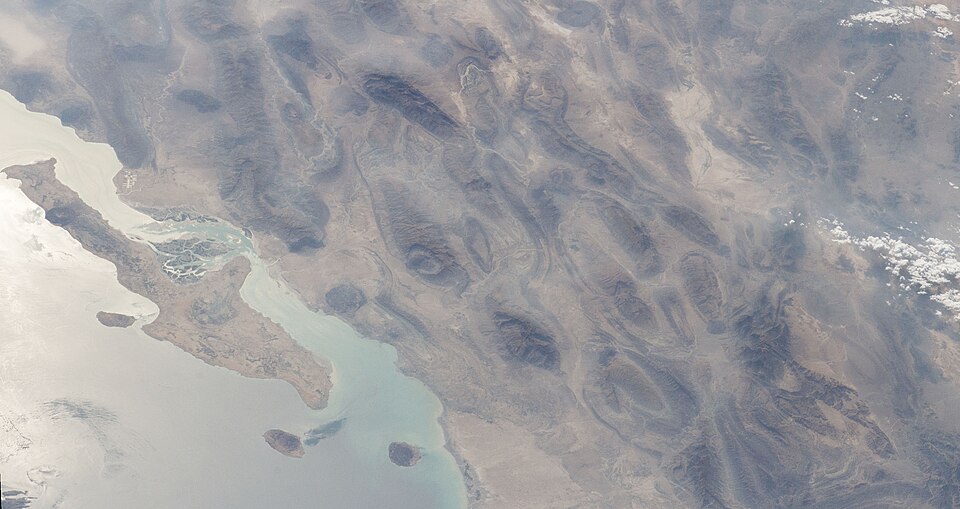
Trump said Sunday that a deal with Iran was close, covering the Strait of Hormuz and the denuclearization of Iran, after calling off what he described as strikes that would have been the biggest attacks since World War II. He said negotiations would begin Monday. Iran said they would not.
According to reporting by NPR and CBS News, an Iranian official said Monday that the country's only ongoing negotiations are with Oman, not the United States. The two countries have had constructive discussions over the past week on a new, temporary route through the Strait of Hormuz.
Trump announced over the weekend on social media that the U.S. was canceling planned strikes and that the perimeters of a deal had been reached. He credited allies for persuading him to pull back. The U.S. and Israel had been positioned to strike Iranian energy infrastructure, according to news reports.
NPR reported that Trump has followed a recurring pattern since the war began in late February: threatening military strikes, then stepping back and announcing a diplomatic resolution. This sequence has repeated multiple times since the U.S. struck an initial deal with Iran in April.
Oil markets reacted sharply to Trump's announcement. Crude futures fell more than 6% on Monday. Brent crude, the global oil benchmark, dropped 8% to around $83 per barrel. Despite Monday's decline, oil prices remain well above levels from before the U.S. and Israel launched strikes against Iran in late February. Since the war began, prices have surged past $100 per barrel on multiple occasions. The drop also helped lift stock markets.
Iran's judiciary meanwhile announced the execution of two men accused of spying for Israel. The judiciary's Mizan News Agency reported that Omid Behzad and Pouria Safvat were convicted of espionage and intelligence cooperation with Israel's Mossad intelligence service. Behzad was accused of sending coordinates and information related to military, security, and law enforcement sites to Mossad-linked channels. Safvat was accused of providing images and location details of sensitive facilities, including to Iran International, described in the report as a Saudi-funded opposition TV channel based in the United Kingdom.
The judiciary said the men's death sentences were issued after investigations, court proceedings, approval by the Supreme Court, and completion of legal procedures. Their executions were carried out last Wednesday, according to Mizan. Iranian state television aired footage showing supposed confessions from both men, as well as alleged message exchanges with their Israeli handlers. The allegations and details of the case have not been independently verified.
On a separate front in Washington, the U.S. Senate returned Monday with a packed agenda before a long recess running through mid-September. Todd Blanche, Trump's nominee for attorney general, is scheduled for a confirmation hearing. In a letter released Sunday night, Blanche formally rescinded a plan for a $1.8 billion anti-weaponization fund that had been created to compensate people who allege they were unfairly targeted by the federal government. Republican senators John Cornyn and Thom Tillis had withheld support for Blanche's nomination specifically because of their opposition to the fund.
The fund originated from a settlement deal in a lawsuit Trump filed against the IRS over leaked tax returns. NPR's Claudia Grisales noted that the provision protecting Trump and his family from future IRS audits was not addressed in Blanche's order, leaving several questions unanswered. Grisales also said it remains uncertain whether Blanche has enough Republican support on the Senate floor for confirmation, given that Republicans are working with slim margins.
The third and final round of voting in Pakistan-administered Kashmir is scheduled for August 10, as that region continues to face protests and unrest tied to ongoing elections.