

Paramount CEO David Ellison went public Tuesday with his defense of a $110 billion merger with Warner Bros. Discovery, publishing a guest essay in the New York Times arguing that an antitrust lawsuit targeting the deal is not really about the entertainment business at all.
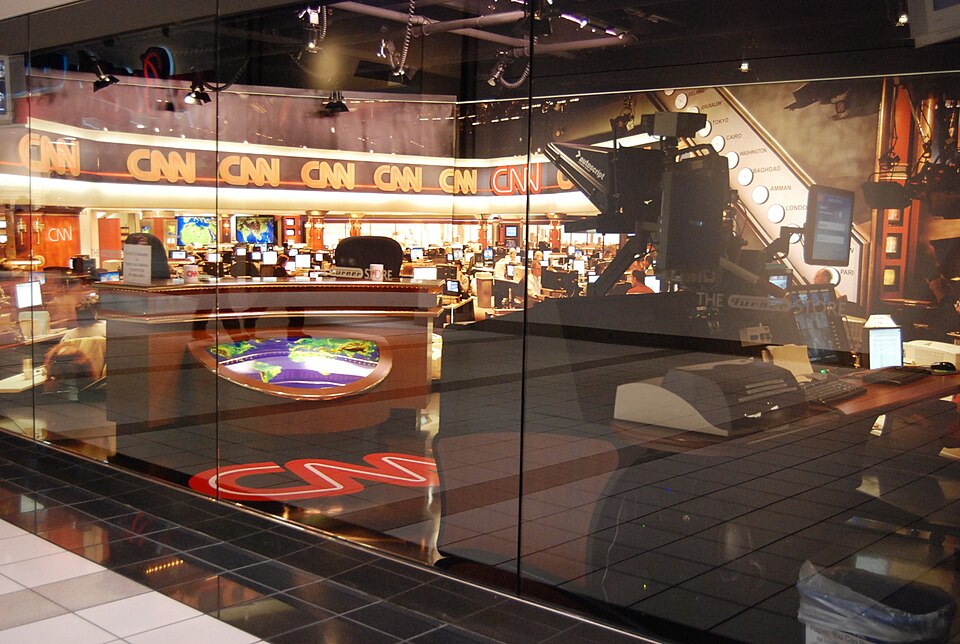
According to reporting by The Hollywood Reporter and Deadline, Ellison wrote that the true concern driving the lawsuit from 12 state attorneys general and the Writers Guild of America is who will control CNN. "I believe this fight is not really about market share," Ellison wrote in the Times. "I believe a plainer worry sits beneath the briefs and the news releases: the news. The issue is whether I can be trusted as a steward of Warner's CNN. There has been speculation about my politics, my loyalties, my intentions."
Ellison explained in the essay that he initially stayed quiet after the suit was filed. "I believe that anyone who oversees a news organization — I am chief executive of Paramount, which owns CBS — shouldn't put a finger on the scale, especially on matters involving his own company," he wrote. "So, when California's attorney general, 11 other state attorneys general and, a day later, the Writers Guild of America sued to stop the deal, I stayed quiet. I quickly learned such restraint has costs. While I was silent, others were happy to write my story for me. No more."
On the market share question, Ellison pushed back against the idea that the combined company would dominate the industry. He argued that Paramount-WBD would account for less than 20 percent of all American watch time and that its share would drop to around 13 percent when YouTube is included. He added that the combined company would account for 18 percent of the domestic box office over the past 12 months. "Those are not the numbers of a company that can dictate what audiences watch or what writers get paid," he wrote.
Ellison also addressed speculation about his personal politics directly. "I have regularly voted for candidates of both parties; I hold some views that would be called conservative and others that would be called liberal, just like most Americans; and when it comes to our news operations, I do not aspire to lead these companies to bend their newsrooms to my views. I believe that news should be based on facts and truth," he wrote.
On CNN specifically, he wrote that CBS News and CNN are "here to tell it straight down the middle." He added: "That requires newsrooms that reflect the whole world, not one side of it. And it requires independence. Our journalists will continue to answer to the facts and to all the people they serve — not to any party or cause."
Ellison also pointed to low public trust in news as a central challenge. He cited a Gallup poll finding that just 28 percent of Americans trust the news, calling it the lowest ever recorded. "Trust can't be argued back, but it can be earned back — story by story, day by day," he wrote. "In an age when so much of what fills our screens is machine-generated or engineered to enrage, journalism from real reporters matters more than ever. That is the work I intend to pay for, patiently, for a long time."
The merger itself remains on hold. According to Deadline, a judge is expected to set a trial date for later this year or early in 2027. The op-ed came on the same day Paramount was preparing to report second-quarter earnings, with Warner Bros. Discovery set to report Thursday morning.
The background to Ellison's remarks includes ongoing controversy over CBS News. Deadline noted that Paramount paid $16 million to settle a lawsuit by the Trump administration over the editing and promotion of a 60 Minutes interview. The makeover of the top-rated program, with most of its correspondents departing in recent months, has added to scrutiny of Ellison's stewardship of news operations. Ellison did not mention President Trump by name in his essay, though Trump has cited CNN publicly when discussing the deal.