SpaceX shares fell 13.6 percent on Wednesday as Wall Street worked through the rocket and AI company's first earnings report since its June initial public offering. Revenue beat expectations, but the company disclosed sharply higher capital expenditures, which rattled investors.
According to CNBC, the sell-off may not be over. Roughly 911 million previously locked-up shares become eligible for trading Thursday, a development that CNBC's Jim Cramer acknowledged could push the stock lower in the near term.
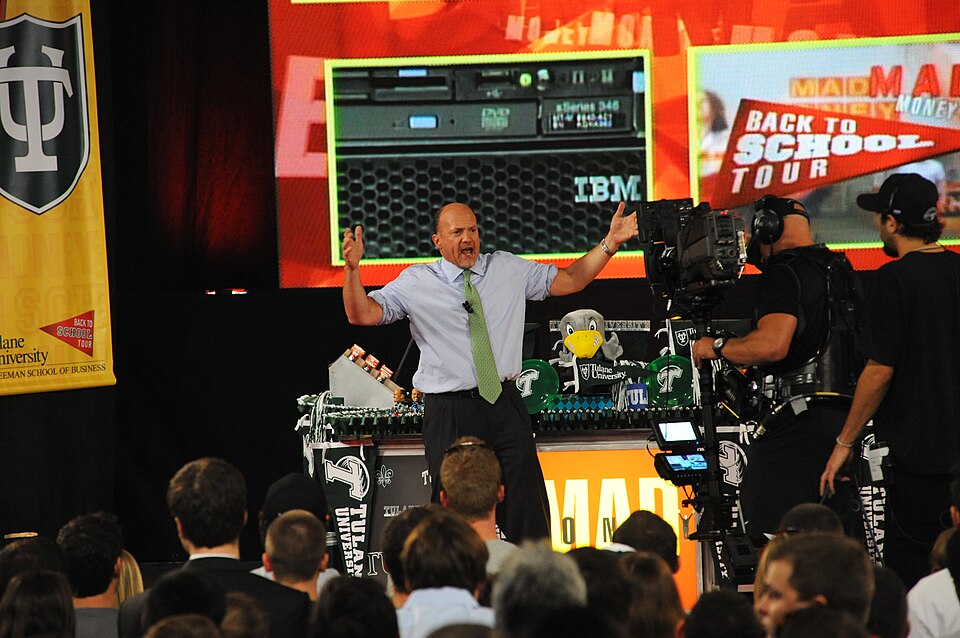
Cramer, the host of Mad Money, told investors to stop measuring SpaceX in quarters. "SpaceX could be a 100-year piece of paper," he said, drawing a comparison to the century-long railroad bonds that rewarded patient investors over generations. "Maybe you put some away for the next generation or even the one after that."
His case for the stock rests heavily on Elon Musk personally. "I would never recommend SpaceX if Musk weren't involved," Cramer said. "I'm confident that Musk can raise all of the money he needs." He pointed to Musk's track record of building transformative businesses and persuading investors to fund projects many initially dismissed as impossible.
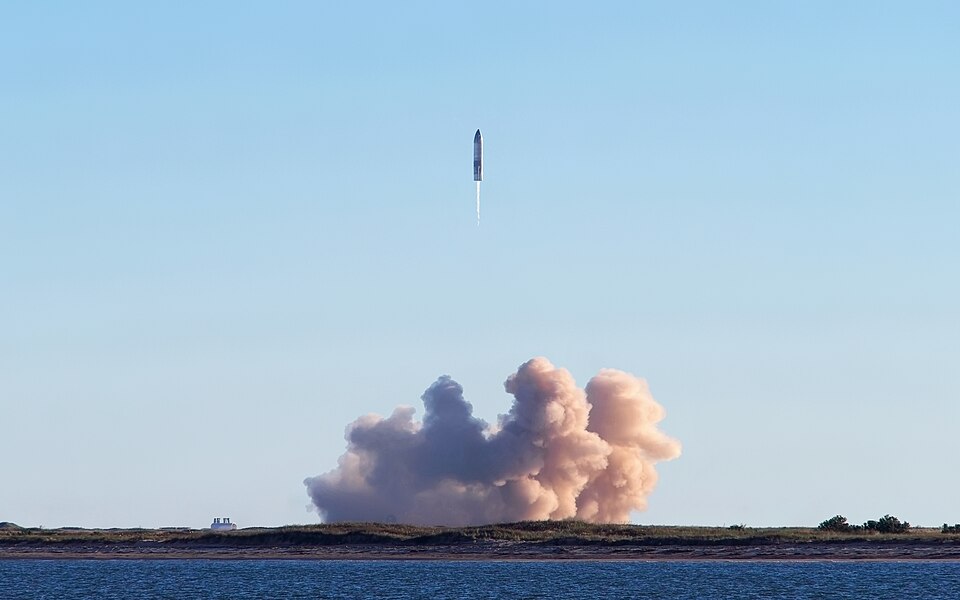
Cramer outlined several long-term growth areas inside the company. Starship, the fully reusable rocket program, is one. Starlink, the expanding satellite internet business, is another. The company also has a growing computing operation that could eventually be rented to outside customers. SpaceX already has compute-rental agreements in place with Anthropic, the company behind the Claude AI, and Alphabet's Google.
Those businesses may take years or decades to reach their potential, Cramer said, and that is exactly the point. "One day this stock could be a huge winner," he said. "I just don't know when that day will come."
SpaceX completed its historic IPO in June, making it one of the most closely watched public offerings in recent memory. The first earnings report after a major IPO often produces turbulence, as institutional investors adjust positions and new shareholders confront the gap between long-term promise and short-term numbers.
Whether the stock stabilizes will depend in part on how markets absorb Thursday's lockup expiration. With nearly a billion additional shares potentially entering the market, pressure on the price could continue before any recovery takes hold.