

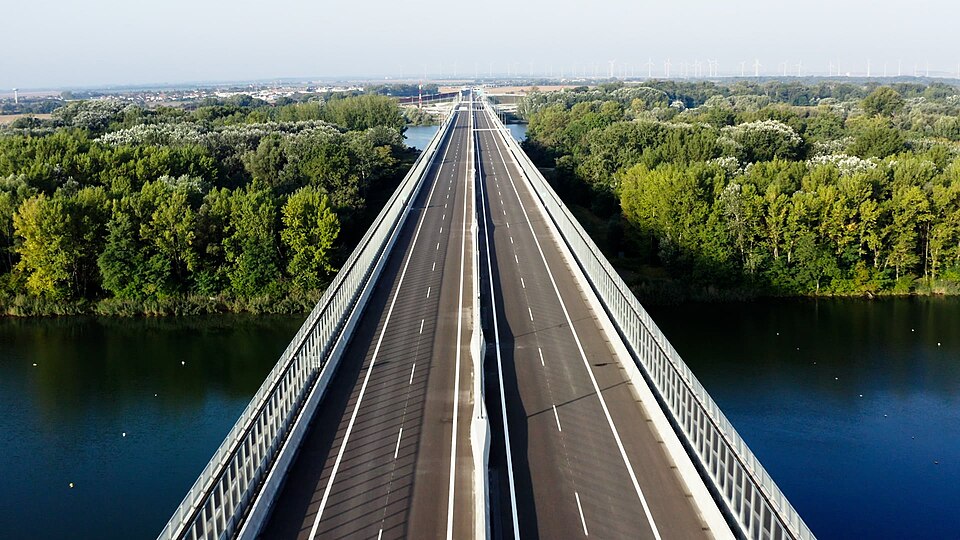
Ferrovial has been chosen to deliver the I-24 Southeast Choice Lanes project, which stretches 26 miles between Nashville and Murfreesboro. This project marks the largest single capital investment in Tennessee's history and represents the state's first public-private partnership. The total cost of the project is $9.2 billion, though Ferrovial is not handling all of it alone. Its DriveTN consortium includes Transurban and Tikehau Star Infra as partners in the effort.
The broader DriveTN team also includes Ferrovial subsidiaries Cintra and Webber along with AECOM. The consortium will finance, design, build, operate and maintain the project. Tennessee officials say the proposal could provide the state with $24.8 billion in concession value over the life of the agreement.
Similar projects in Charlotte and Dallas-Fort Worth have shown success in reducing travel times, according to Ferrovial. Virginia's 66 Express corridor is one example where peak-hour travel times were reduced by up to fifty percent. The I-24 project aims to bring similar benefits to the region, which already experiences heavy traffic. Drivers who choose to use the toll lanes will enjoy more consistent speeds. Those using the free lanes should also see less congestion as a result.
The project will add two Choice Lanes in each direction while keeping the existing general-purpose lanes free. Tennessee transportation officials say no existing general-purpose lanes will be removed. Drivers using the new lanes will pay a fee.
Ferrovial's business behind this bid appears financially strong. Its North American highways are a major source of income for the company. The company received about $409 million in dividends from its North American operations. Its construction order book has reached a record high of about $20.6 billion. The company continues to seek new projects, including bids on I-285 East in Georgia and the D35 Highway project in the Czech Republic.
Ferrovial’s financial position remains solid outside of infrastructure projects. The company holds about $1.49 billion in net cash, excluding its infrastructure investments. It has also invested $1.1 billion in New Terminal One at JFK, which was 92% complete as of late July.
However, some financial details from recent reports raise questions. Net profit for the first half of 2026 was about $296 million compared to about $619 million in the same period last year. The previous year's figure included capital gains from asset sales, which makes the comparison difficult. Even with that adjustment, EBITDA rose while reported profit fell.
Adjusted EBITDA increased to about $855 million during the first half of 2026. Ferrovial said that represented a 21.6% increase on a like-for-like basis compared with the previous year.
The company's approach to managing costs is also under scrutiny. Ferrovial’s construction division reported a 3.5% adjusted EBIT margin, which was in line with its long-term target. North America accounts for 47.9% of the company’s construction order book. Poland accounts for 22.9% and Spain represents 14.0%.
The size of the winning bid has attracted attention from financial analysts. UBS downgraded Ferrovial shares from buy to neutral after reviewing the Tennessee deal. The bank cited the size of the promised payments to Tennessee and the risks tied to the project.
DriveTN has proposed paying Tennessee $1.5 billion up front. The total projected concession value is $24.8 billion over the 50-year agreement. That figure refers to value promised to Tennessee and does not represent Ferrovial’s expected profit.
Winning the bid does not mean the road is finished yet. The I-24 project still needs financing, construction and long-term operation. The concession is expected to run for 50 years. Tennessee and DriveTN still must finalize the agreement with help from the U.S. Department of Transportation’s Build America Bureau.