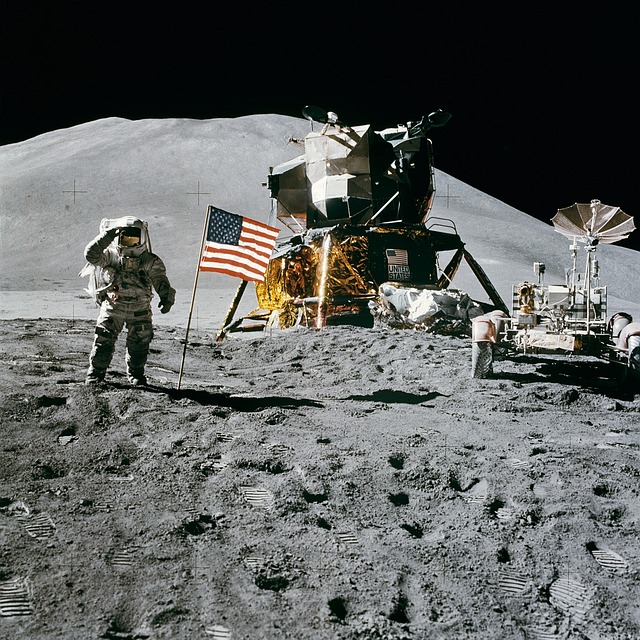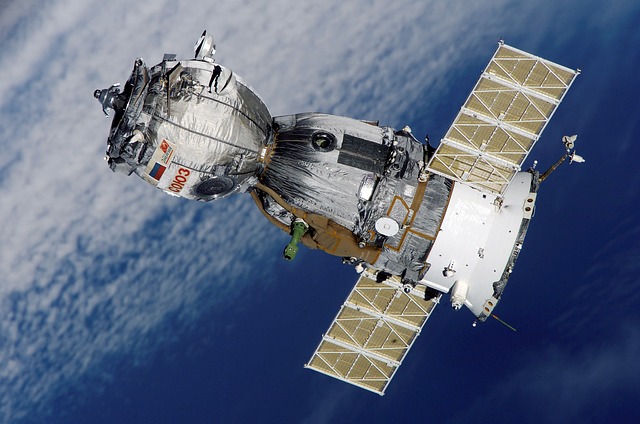
A spent SpaceX Falcon 9 upper stage crashed into the moon this week, more than a year after it was left on an uncontrolled trajectory following a lunar mission. The event put a spotlight on a growing problem: what happens to spacecraft and rocket parts after they finish their missions.
According to CNBC, the answer for much of the history of spaceflight has been that debris simply stays in orbit, or in some cases drifts to the moon. Closer to Earth, defunct satellites, spent rocket parts, and other fragments can remain in orbit for years. OrbitRadar now tracks nearly 30,000 objects in space, of which about 18,500 are active satellites. The rest are debris fragments or spent rocket bodies.
The scale of the problem has created an opening for a new category of commercial space company. Firms are now positioning themselves to remove debris and service satellites before they become part of the problem. Astroscale, a Tokyo-listed orbital services company, is among the leaders in this emerging sector.
"Space is a global commons, and we're mucking it up," Andrew Faiola, commercial vice president at Astroscale, told CNBC. "We do need to clean it up. There are consequences to just sort of having a throwaway culture in space."
The danger posed by orbital debris goes beyond cluttered skies. Faiola compared a collision in space to a grenade hitting a car, producing a cloud of fragments that fall into unpredictable orbits. Some pieces are too small to track from Earth, making them impossible to avoid. Even tiny fragments traveling at thousands of miles per hour can severely damage satellites or pierce the space suits of astronauts working outside their vehicles.
Tim Flohrer, the European Space Agency's Head of Space Debris, told CNBC the situation is worsening even without new launches. Objects are fragmenting faster than debris naturally re-enters the atmosphere, he said, warning that it could make "certain orbits unusable." He added: "Active satellites must perform an increasing number of collision-avoidance maneuvers to dodge out of the way of other satellites and fragments of space debris."
An interactive map developed by researchers at the University of Texas at Austin shows the congestion in real time in low-Earth orbit, where satellites operate alongside debris from decades of space activity, including remnants from U.S. and former Soviet rockets and satellites.
Astroscale has demonstrated one of the core technical challenges in this field: docking with another spacecraft while in orbit. The company uses a magnetic capture system for that purpose. Objects in low-Earth orbit move at high velocity relative to one another, making rendezvous and capture an extremely difficult engineering task.
The economic stakes behind the cleanup effort are significant. Space infrastructure now underpins financial transactions, GPS navigation, weather forecasting, and missile tracking. Companies and governments that depend on those systems have a direct interest in keeping key orbits functional and safe.
Faiola described Astroscale's approach to the technical side of the work. "That means that we're building spacecraft that are designed to be very agile, designed to safely operate in and around other spacecraft in orbit," he said.