

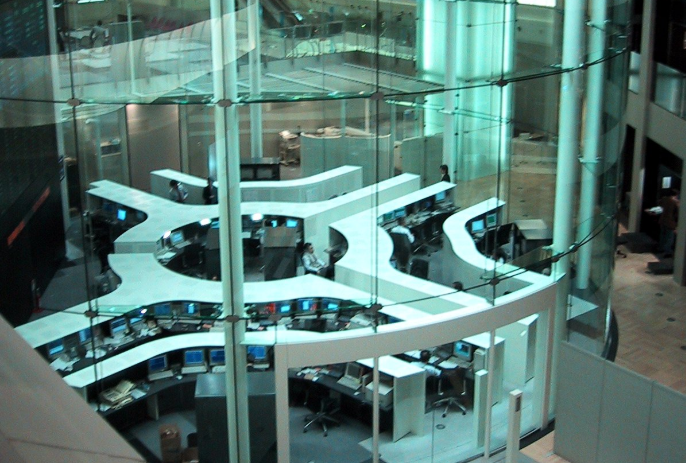
Asian stock markets plunged on Friday, November 6, 2026, as a massive selloff in American technology shares spread across the Pacific. South Korea, Japan and Taiwan suffered particularly heavy losses as investors pulled money from companies connected to artificial intelligence. Gold also declined, falling below $4,050 an ounce despite growing uncertainty across global financial markets.
The sharp downturn followed a difficult Thursday session on Wall Street, where the Nasdaq Composite dropped 5.52% and entered correction territory. Investors are increasingly concerned that expensive AI stocks could face slower growth, tighter regulations and weaker returns on enormous technology investments.
South Korea Leads Asian Market Declines
South Korea experienced one of the region's most severe market declines. The benchmark KOSPI index plunged more than 8% during Friday's trading, triggering a circuit breaker that temporarily halted trading for 20 minutes.
The index recovered some ground after trading resumed but remained approximately 7% lower during the morning session. The losses reflected growing pressure on South Korea's semiconductor industry, which has benefited significantly from worldwide demand for AI computing equipment.
Samsung Electronics fell nearly 10%, while memory chip manufacturer SK Hynix dropped approximately 11.7%, according to Reuters. Both companies are major suppliers to the global technology industry, making them especially sensitive to changes in expectations for AI investment.
Taiwan also suffered heavy losses, with its stock market dropping more than 8% during early trading. Taiwan Semiconductor Manufacturing Company, better known as TSMC, declined approximately 8.5% as investors reduced their exposure to semiconductor manufacturers.
The company produces advanced chips used by major technology businesses, including those developing AI systems. Its importance to the global semiconductor supply chain makes changes in investor confidence particularly significant.
Japan's Nikkei Falls as Technology Stocks Slide
Japan's Nikkei 225 index fell approximately 6% during Friday's trading, extending losses that had already affected technology companies earlier in the week. Semiconductor equipment manufacturers and businesses with substantial AI investments were among the hardest hit.
Japanese memory chipmaker Kioxia dropped approximately 14%, while SoftBank Group declined about 11%. SoftBank has become closely associated with major technology investments, leaving its shares vulnerable to concerns about the financial outlook for AI.
The downturn was not equally severe throughout Asia. Markets in Hong Kong and mainland China experienced comparatively smaller declines, reflecting differences in their exposure to the semiconductor companies at the center of the selling.
The widespread weakness demonstrated how closely Asian technology companies are connected to American investment trends. When major U.S. technology companies face pressure, their overseas suppliers can experience even larger stock price movements.
Nasdaq Correction Sparks Global Selling
The latest turmoil began with a sharp reversal on Wall Street on Thursday, November 5. The Nasdaq Composite finished at 24,315, falling 5.52% in its steepest daily percentage decline in approximately 19 months.
The S&P 500 dropped 4.36% to 7,353.73, while the Dow Jones Industrial Average lost 1,833 points, or 3.44%, closing at 51,523.06. Approximately $3 trillion in market value disappeared from S&P 500 companies during the session.
A stock market correction occurs when an index falls at least 10% from a recent peak. The Nasdaq crossed that threshold as investors reconsidered the valuations of companies that had benefited from enthusiasm surrounding artificial intelligence.
Semiconductor stocks suffered especially severe losses. Nvidia fell more than 9%, while the Philadelphia Semiconductor Index dropped more than 12%, reflecting widespread selling across the chip industry.
The losses came after Democratic victories in the U.S. midterm elections raised questions about the future of AI infrastructure development. Investors fear that increased scrutiny of electricity consumption, construction permits and environmental effects could slow the expansion of large data centers.
However, the election results are only one part of the market's concerns. Analysts have also questioned whether technology companies can generate enough revenue to justify the billions of dollars being invested in AI infrastructure.
The financial pressure could extend beyond major technology corporations. Smaller data center operators and companies dependent on borrowed money may face additional challenges if financing becomes more expensive or expansion plans slow.
Gold Falls Despite Stock Market Turmoil
Gold, traditionally considered a safe investment during financial uncertainty, also declined Friday as investors reassessed inflation risks and the outlook for U.S. interest rates.
Spot gold fell approximately 1.1% to $4,044.09 per ounce during Asian trading, while U.S. gold futures declined around 1.5% to $4,053.30.
The decline followed a strong rally earlier in the week, when gold benefited from a weaker U.S. dollar and falling Treasury yields. Despite Friday's losses, the precious metal remained on track for a weekly gain.
One important factor behind the reversal was a rebound in crude oil prices. Higher energy costs can increase inflation, potentially encouraging the Federal Reserve to maintain elevated interest rates or introduce further increases.
Gold does not generate interest payments, making it less attractive when investors can earn higher returns from bonds and other interest-bearing assets. Expectations for future Federal Reserve decisions therefore play an important role in determining gold prices.
The stock market selloff may also be contributing to weakness in precious metals. Some investors sell profitable or relatively stable investments to raise cash, reduce borrowing or cover losses in other financial positions.
This can temporarily push gold prices lower even when financial markets are experiencing considerable uncertainty. The movement does not necessarily indicate that investors have abandoned gold as a long-term store of value.
Federal Reserve Policy Adds Another Concern
Investors are also paying close attention to the Federal Reserve as inflation remains a concern for the American economy. Recent comments from central bank officials have supported the possibility of additional interest-rate increases.
Market expectations have shifted toward tighter monetary policy. Traders were pricing approximately a 68% probability of a Federal Reserve rate increase in December, according to figures cited in financial market reporting.
Higher interest rates can affect stock prices by increasing borrowing costs and reducing the present value of expected future earnings. Growth-oriented technology companies are often particularly sensitive to those changes.
The October U.S. employment report, scheduled for release Friday, November 6, is another important event for investors. Strong employment figures could reinforce expectations that interest rates will remain elevated, while weaker numbers might change the outlook.
For Asian markets, the immediate concern is whether the technology selloff will stabilize or spread further. Semiconductor companies remain closely tied to U.S. data center spending, making future investment announcements and regulatory developments especially important.
The combination of falling technology stocks, volatile energy prices and uncertainty over Federal Reserve policy has created pressure across several major financial markets. Investors will be watching the U.S. employment figures and the next Wall Street trading session for indications of whether Friday's heavy Asian losses represent a temporary wave of selling or a broader reassessment of technology valuations.