

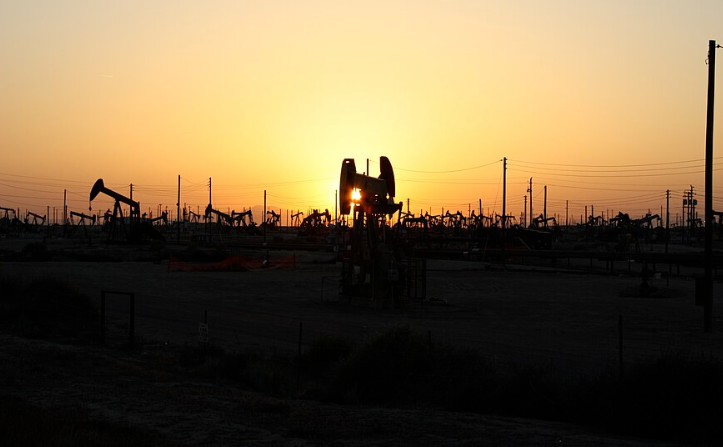
Oil prices plunged on Wednesday, November 4, 2026, after Democrats won control of both chambers of Congress in the U.S. midterm elections, raising expectations that President Donald Trump could face greater pressure to end the war with Iran. The sharp selloff pushed crude prices to their lowest closing levels in more than two months as investors reconsidered the risks of continued fighting in the Middle East.
Brent crude futures fell $8.98, or 8.7%, to settle at $94.62 per barrel. U.S. West Texas Intermediate crude dropped $7.97, or 8.3%, to $88.12 per barrel. Both benchmarks finished at their lowest levels since August 31, according to Reuters.
The decline reflected a major shift in market expectations following Tuesday's election. Traders increasingly viewed a Democratic-controlled Congress as a possible obstacle to further military escalation, although the election results did not guarantee a ceasefire or an immediate change in U.S. policy.
Election Results Change the Outlook for Oil
Democrats captured the House of Representatives and Senate in the November 3 elections, delivering a significant political setback to Trump and the Republican Party. The results created a divided government in Washington and raised questions about the administration's ability to continue its military strategy without increased congressional opposition.
The conflict with Iran has been a major concern for energy markets throughout 2026. Fighting and threats to commercial shipping in the Persian Gulf have disrupted oil transportation and contributed to higher fuel costs around the world.
Investors now see a greater possibility that political pressure could encourage Washington to pursue a negotiated settlement. Such an agreement could reduce threats to shipping and allow more Middle Eastern oil to reach international markets.
Dennis Kissler, senior vice president of trading at BOK Financial, said Democratic control of Congress could restrict U.S. military spending in the region and increase the likelihood of a peace agreement. He also pointed to the possibility of greater Middle Eastern crude exports as another factor weighing on prices.
The market response was particularly sharp because oil prices already carried a substantial premium related to the war. When traders see a lower probability of future supply disruptions, that additional cost can decline even before conditions improve on the ground.
However, expectations can change quickly. Renewed attacks, stalled negotiations or further disruptions to oil shipments could reverse some of Wednesday's losses.
Trump and Vance Respond to Republican Losses
The election results intensified disagreement over the administration's handling of Iran. Vice President JD Vance publicly questioned the war's political and economic costs, distancing himself from the decision to begin the conflict.
Vance blamed the war for the Republican Party's election losses, signaling a notable disagreement within the administration. His remarks added to speculation that the White House could face pressure from Republicans as well as Democrats to reconsider its approach.
Trump acknowledged that the conflict had contributed to his party's defeat but continued to defend the military campaign. He maintained that the United States had acted to prevent Iran from acquiring nuclear weapons.
The Associated Press reported that roughly 60% of voters surveyed considered U.S. military action against Iran a mistake. Economic concerns, including the cost of living, also played an important role in the election.
Although Democrats will control Congress, the president retains substantial authority over foreign policy and military operations. Lawmakers can influence spending and conduct investigations, but a change in congressional leadership does not automatically end an existing military conflict.
The administration therefore faces competing pressures. A diplomatic settlement could ease energy costs and improve economic conditions, while renewed military action could increase the risk of further disruptions and higher prices.
Strait of Hormuz Remains a Major Concern
The Strait of Hormuz continues to be one of the most important factors affecting global oil prices. The narrow waterway connects the Persian Gulf with international shipping routes and carries substantial volumes of crude oil and petroleum products.
Disruptions in the strait can affect energy markets far beyond the Middle East. Countries that depend on imported oil face higher transportation and production costs when shipping becomes dangerous or supplies are delayed.
Despite hopes for diplomacy, the security situation remains uncertain. CBS News reported that Iran's Islamic Revolutionary Guard Corps said four oil tankers caught fire after striking mines while traveling through the waterway on Wednesday.
Iran and the United States also remain divided over the terms of a possible settlement. Qatar has pursued mediation efforts, but diplomatic discussions have not produced a final agreement.
These developments explain why some analysts remain cautious about the oil selloff. A more favorable political outlook in Washington does not eliminate the immediate risks facing tankers, oil producers and regional infrastructure.
Carl Larry, an energy market specialist at Enverus, warned that renewed escalation could occur before a diplomatic resolution. His assessment reflected concerns that the market might be moving faster than developments in the conflict itself.
Stock Markets Rally as Investors Reassess Policy
The election results also affected stocks, bonds and currencies. Investors began reassessing expectations for federal spending, financial regulation, trade policy and the development of artificial intelligence.
U.S. stocks advanced on Wednesday despite uncertainty surrounding the incoming Congress. The Dow Jones Industrial Average gained approximately 2.5%, while the S&P 500 rose 1.5% and the Nasdaq Composite climbed 2.5%, according to market coverage from The Guardian.
European markets also recorded gains, with clean energy companies and banks attracting investor interest. Government bonds strengthened as traders considered the possibility that divided government could restrain spending and borrowing.
The U.S. dollar weakened as Treasury yields declined. Those movements reflected changes in expectations for fiscal policy and economic growth rather than a single response to lower oil prices.
Investors also considered whether the new Congress might increase scrutiny of large technology companies, AI infrastructure spending and energy development. These concerns added to a broader reassessment of sectors that had benefited from Republican control of Washington.
In Texas, Democrat Gina Hinojosa defeated Republican Governor Greg Abbott, ending more than three decades of Republican control of the governor's office. Her victory attracted attention from investors because of the state's importance to U.S. energy production and data center development.
However, the immediate connection between the Texas election and Wednesday's oil selloff is less direct than the uncertainty surrounding Iran. Global crude prices are primarily responding to expectations about international supply, shipping security and future demand.
Lower Oil Prices Could Ease Pressure on Consumers
Falling crude prices could eventually bring relief to motorists and businesses that have faced higher energy costs during the conflict. Transportation companies, airlines and manufacturers may benefit if lower oil prices translate into cheaper fuel and other operating expenses.
The impact on gasoline prices is not immediate. Retail fuel costs depend on refinery operations, local supplies, distribution expenses and the prices retailers paid for existing inventories.
A sustained decline in crude prices could help reduce inflationary pressure by lowering transportation costs across the economy. However, gasoline and diesel prices may remain elevated if refining capacity or shipping routes continue to face disruptions.
Lower oil prices can also affect producers differently from consumers. Energy companies may receive less revenue for each barrel sold, while businesses that use large amounts of fuel could see operating costs decline.
For financial markets, the question is whether Wednesday's sharp drop represents the beginning of a lasting decline or a temporary reaction to election results. The answer will depend heavily on diplomatic developments and the security of Middle Eastern energy supplies.
Oil Market Faces Uncertainty After the Midterms
The Democratic victories have changed expectations about U.S. foreign policy, but they have not resolved the conflict with Iran. Trump could pursue negotiations, maintain the current military approach or authorize additional strikes if diplomatic efforts fail.
Those choices carry different consequences for energy markets. A lasting agreement that improves shipping security could reduce the premium built into crude prices, while renewed hostilities could send prices sharply higher.
Market participants will be watching for announcements from Washington, Tehran and regional mediators. They will also monitor tanker movements through the Strait of Hormuz and changes in global oil inventories.
For now, Wednesday's decline shows how quickly political developments can change energy market expectations. Brent crude closed below $95 a barrel, but the possibility of renewed fighting means consumers and businesses cannot yet count on sustained relief from high fuel costs.