A U.S. citizen returning from vacation now faces a federal felony charge after a security feature on his smartphone erased all stored data while customs agents were trying to inspect it. The case is being watched closely by privacy advocates and legal experts, and it may be one of the first federal prosecutions of its kind.
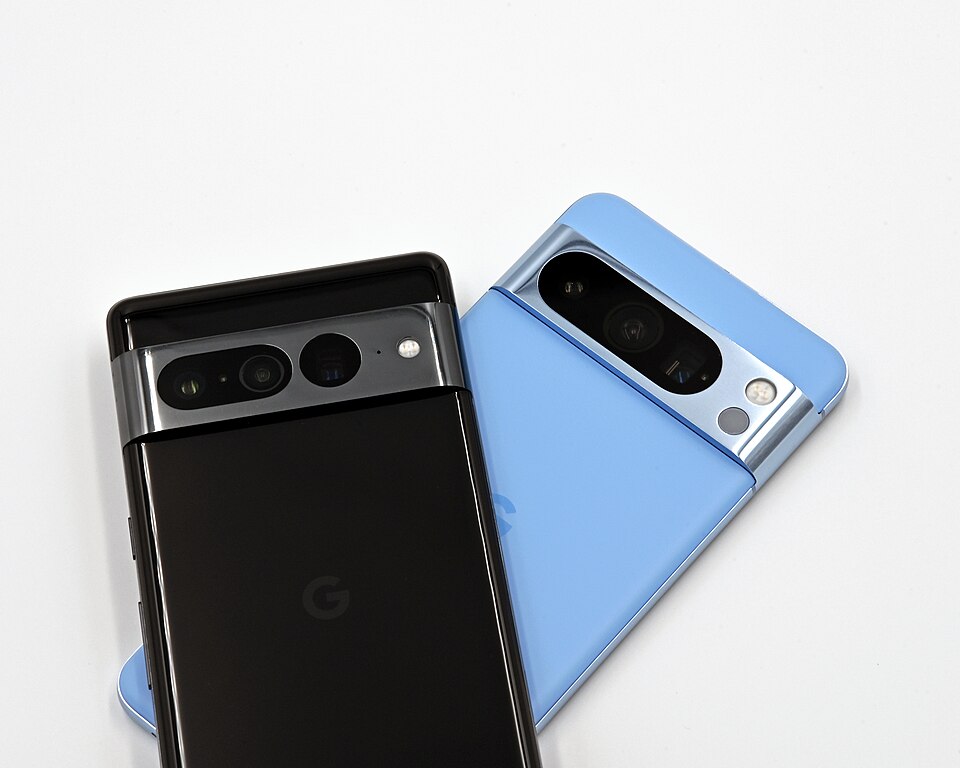
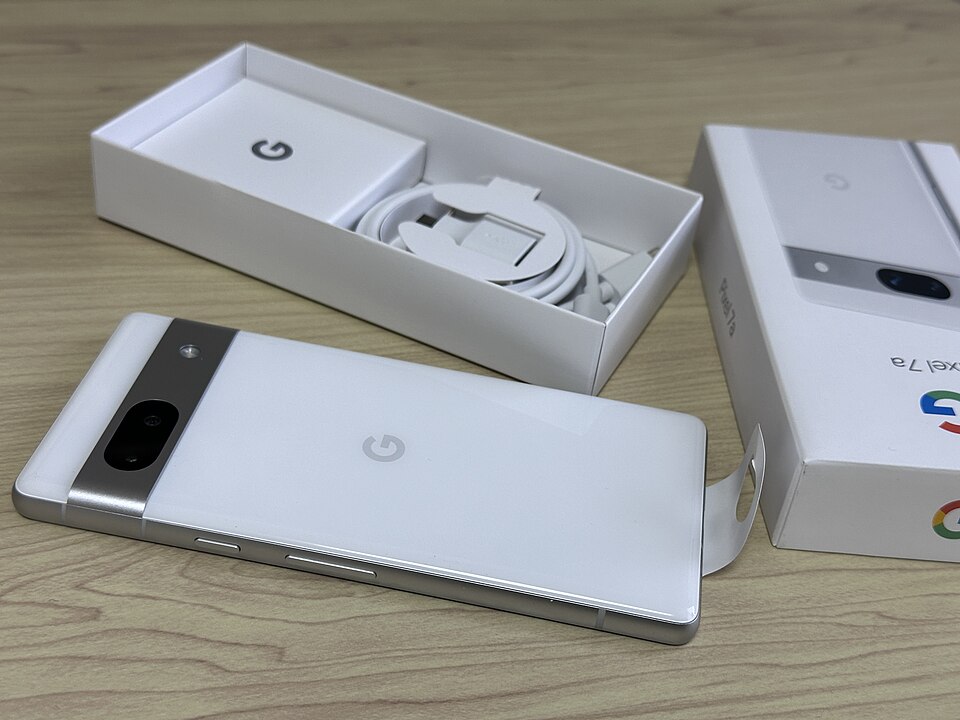
According to a report by Fox News, Samuel Tunick, who lives in Atlanta, returned from a trip to the Dominican Republic on January 24, 2025. U.S. Customs and Border Protection officers directed him to a secondary inspection area at Hartsfield-Jackson Atlanta International Airport. Agents took his Google Pixel phone and asked for its passcode.
Tunick allegedly gave officers a code that did not unlock the device. Instead, when an officer entered it, the phone triggered a complete wipe. According to court filings, the screen went dark, flashed several times, and appeared to restart. The phone was physically intact afterward, but all data stored on it was gone.
Federal authorities allowed Tunick to enter the country after the incident. A grand jury indicted him on November 13, 2025, under a rarely used federal law covering the destruction of property to prevent a government seizure. Tunick pleaded not guilty.
His attorneys argue the agents detained him unlawfully and had no valid authority to seize the phone in the first place. Prosecutors say Tunick knowingly destroyed digital property that the government had lawful authority to inspect. The court has not yet ruled on whether the government's seizure was lawful.
The feature at the center of the case is a duress passcode, a secondary code that, when entered, wipes a phone's stored data rather than unlocking it. The feature is available on certain devices running specialized security-focused operating systems. Tunick's phone reportedly ran one such system. The tool is marketed as a privacy protection for people who may be forced under pressure to unlock their devices.
What makes the case unusual is the setting. Border searches occupy a legal gray zone in the United States. Courts have generally given CBP broad authority to inspect travelers' belongings at ports of entry, including electronic devices, without a warrant. Civil liberties groups have long challenged that authority, arguing it does not extend to the full contents of a smartphone. The legal boundaries have never been fully settled.
The Tunick case puts both questions in front of a court at once: whether the agents had authority to take the phone, and whether entering a code that wiped it constitutes criminal destruction of property. Neither question has a clean answer yet, and the outcome could set a precedent affecting how border agents handle devices and how travelers can legally protect their data.
The charge remains an allegation. No trial date has been publicly reported.