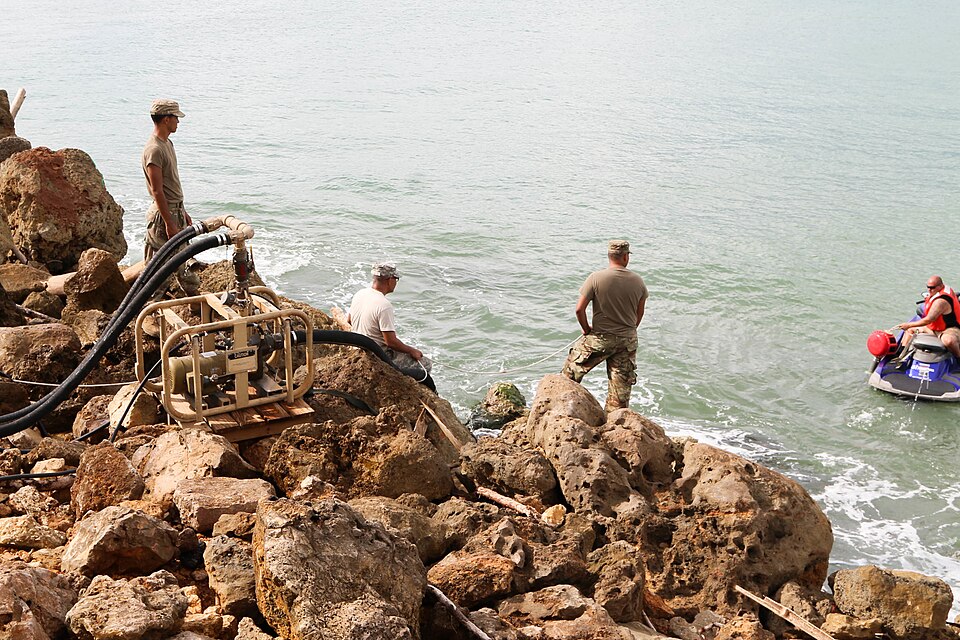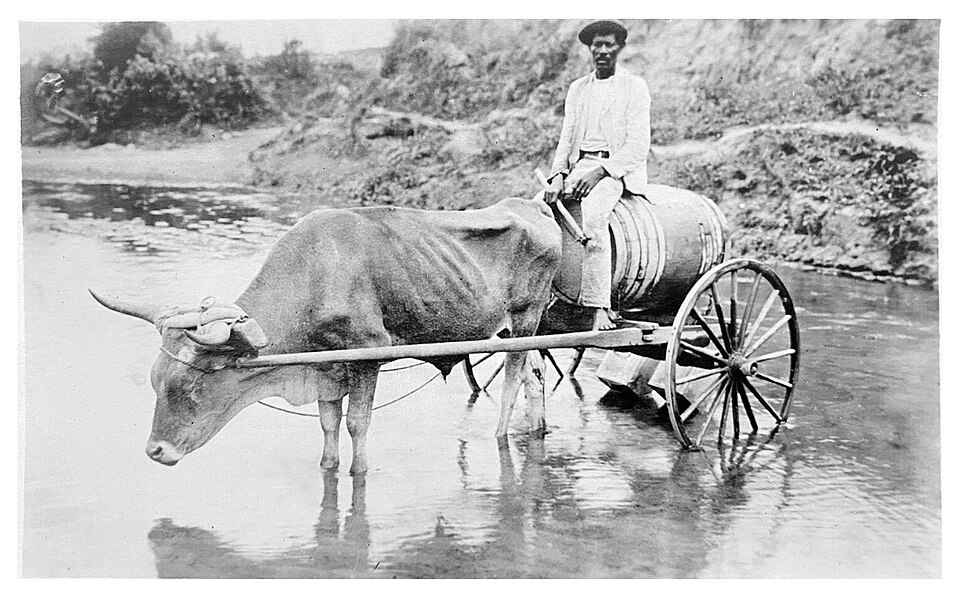
More than 180,000 customers in Puerto Rico are facing rotating 48-hour water outages as a severe drought compounds problems that have plagued the island's water infrastructure for years. The outages are being implemented on a rotating basis, meaning different areas lose access to running water on different days, but no area is exempt from the disruptions.
According to Bloomberg, Puerto Rico's Resident Commissioner Representative Pablo José Hernández is calling on the federal government to issue an emergency declaration. Such a declaration would unlock additional federal assistance for the island, which has struggled for years with aging pipes, management failures, and disaster damage that has never been fully repaired.
Hernández did not limit his criticism to the federal government. He also argued that Puerto Rico must hold local officials accountable for decisions that worsened the crisis. Poor management, he said, has made a difficult situation worse than it needed to be.
The drought intensifying the current shortage is severe enough to strain a water system that would struggle even under normal conditions. Puerto Rico's infrastructure has been in a fragile state since Hurricane Maria struck in 2017, and a series of subsequent storms and earthquakes have compounded the damage. Full repairs have never been completed.
Rotating outages of 48 hours present a serious hardship for residents, particularly for people with medical needs that depend on a stable water supply, for businesses that require water to operate, and for families with young children. The logistical burden of storing enough water to last through a two-day shutoff falls entirely on individual households and businesses.
The federal emergency declaration Hernández is seeking would give Puerto Rico access to resources beyond what is currently available through normal channels. Whether the Biden administration or its successor would grant such a declaration has not been publicly confirmed in available reporting.
The water crisis arrives as Puerto Rico continues to deal with an unreliable electrical grid, which has also required federal intervention in recent years. The combination of utility failures has made daily life difficult for many residents and has added pressure on officials at every level of government to produce lasting infrastructure solutions rather than temporary fixes.
No timeline has been given for when the drought conditions are expected to ease or when the rotating outages might end.