Australia exported more than 22,000 metric tons of plastic waste to Indonesia in a single year, and researchers say the consequences are landing directly on the health of Indonesian communities. The figure comes from a new commentary published in BMJ Global Health, co-authored by the George Institute for Global Health.
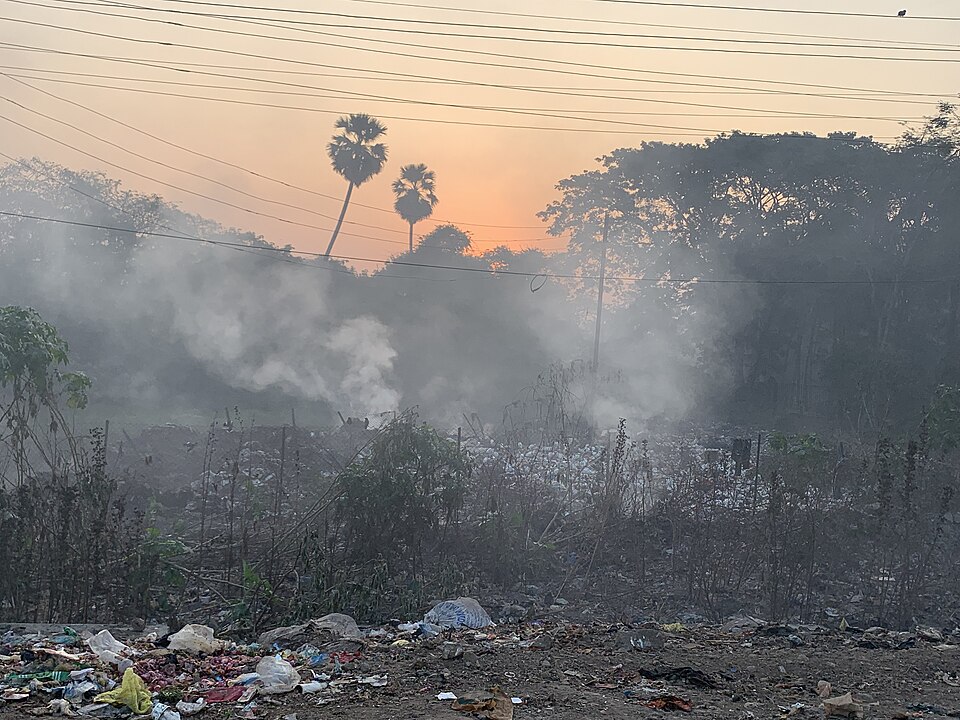
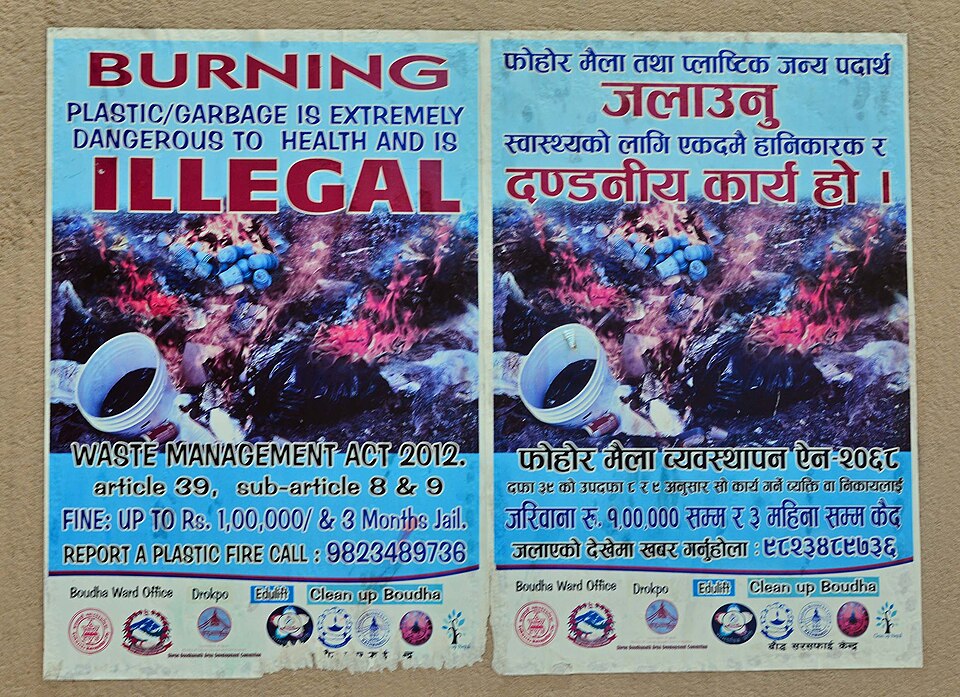
Indonesia received more than 200,000 metric tons of imported plastic waste it cannot safely process, according to the report. Up to 80 percent of that waste ends up burned or dumped, releasing pollutants into the air and soil near residential areas.
The health effects described in the commentary go beyond environmental damage. Researchers say microplastics are now crossing the placental barrier, meaning unborn babies are being exposed to plastic-derived pollutants before birth. Communities near burning sites are seeing elevated rates of respiratory disease, cardiovascular problems, and increased cancer risk.
George Institute researcher Laura Downey connected the waste exports directly to Australia's existing health commitments in the region.
"Australia rightly spends millions every year on health aid to Indonesia. Then we ship more than 22,000 metric tons of our own plastic waste there, waste that's burned in the very communities that aid is meant to help. We're undermining our own commitments to our neighbors' health and to health security across the region," Downey said.
The commentary arrives at a pointed moment. Australia recently signed a new Comprehensive Strategic Partnership with Indonesia. Researchers argue that plastic waste should be included in that partnership as a health security issue. They say leaving it off the table contradicts the goals of the agreement.
The paper was authored by Sekar Aqila Salsabilla and others, and published in BMJ Global Health under the title, "It's time to put plastics on the health security agenda: a call to action for Indonesia and Australia."
The George Institute provided the research. The study's authors are calling on both governments to treat the flow of plastic waste as a matter of regional health security, not simply an environmental or trade issue.