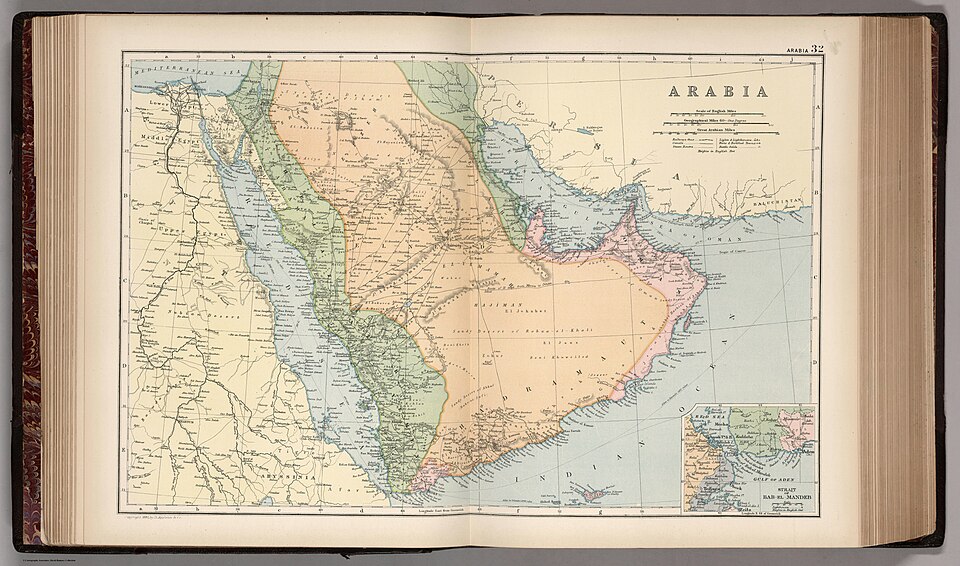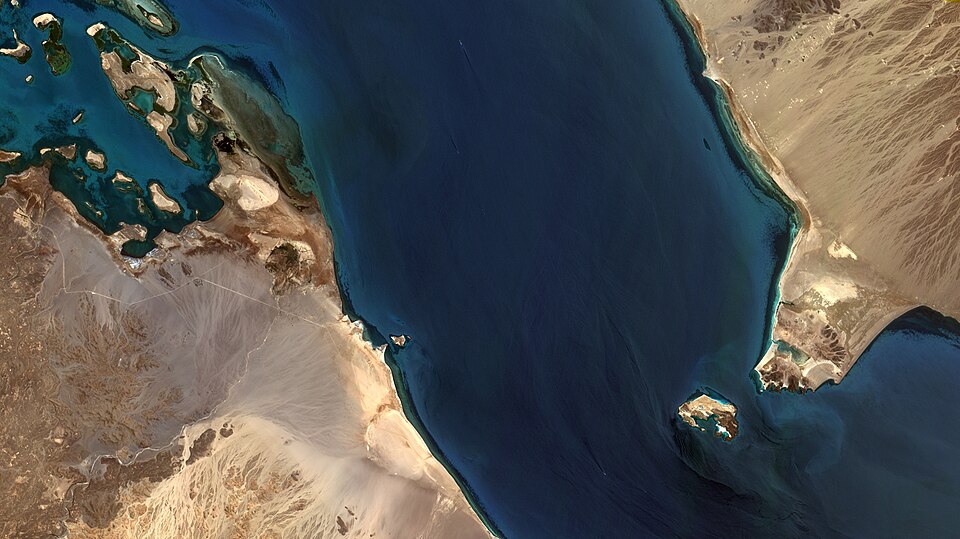
Six people died Tuesday after Iran-backed Houthi rebels attacked a cargo ship in the Bab el-Mandeb Strait, making them the first reported fatalities from attacks on Red Sea shipping in more than a year. Within hours, a U.S. Navy helicopter fired two missiles at a container ship in the Gulf of Oman, disabling its steering and propulsion after the crew ignored warnings and attempted to breach Washington's blockade of Iranian ports.
The attacked vessel was the Tihamah, an Egyptian-owned, Tanzania-flagged ship. Yemen's Transport Ministry identified four crew members among the dead, three of them Pakistani nationals and one Indonesian. Two members of the Yemeni government-allied National Resistance Forces were also killed in a follow-up strike while conducting a rescue, according to Yemen's coast guard.
Yemen's Transport Ministry said in its statement that it holds "the Houthi terrorist militias fully responsible for the deaths, injuries and damage inflicted on the commercial vessel 'Tihamah' as well as for the serious consequences resulting from these attacks." A Houthi-aligned media outlet said the group's forces targeted a ship carrying Saudi military equipment, though the Houthis did not address the casualty figures officially.
The Houthi group declared a naval blockade against Saudi Arabia in the Red Sea on July 20, breaking a years-long Yemeni civil-war truce. The group called the blockade retaliation for a Saudi siege on Yemen, an allegation Riyadh has denied.
The U.S. Central Command said its Navy helicopter targeted the Panama-flagged Vela Nova after its crew ignored warnings while transiting the Gulf of Oman. Centcom said the ship had attempted to run past the naval blockade Washington reimposed on Iranian ports in mid-April. No casualties were reported in that incident. Since the blockade took effect, U.S. forces have redirected 55 commercial vessels attempting to breach it, disabled three non-compliant ships, and boarded two.
The incidents come as diplomacy between the United States and Iran has stalled. Iran's Supreme National Security Council laid out sweeping demands over the weekend for reopening the Strait of Hormuz, including an end to the U.S. naval blockade, sanctions relief, American troop withdrawals, and war reparations. President Donald Trump countered by demanding Iran pay compensation of its own.
Iran and Oman have edged toward an agreement on a new transit corridor through the Hormuz Strait, but the broader impasse has pushed a return to normal shipping further out of reach. Before the conflict began in late February, the strait carried roughly 20 percent of the world's oil trade. Traffic through it has since dropped to a trickle. The war is now in its sixth month.